














Toy Rotation: Why Fewer Toys Out Means More Actual Playing
Here's the paradox every parent eventually notices: the more toys are available, the less any of them get played with. A floor covered in options produces a kid who's "bored," standing in a room stuffed with plastic and declaring there's nothing to do. Toy rotation — most toys stored, a curated few in play — fixes the boredom and the floor in one move. It isn't a trendy hack so much as a return to how kids actually play: with focus, on a small set of things, for longer than five minutes at a stretch.
The science-ish of it
Choice overload is real for adults picking a show on a streaming service; it's genuinely overwhelming for a four-year-old scanning fifty toys scattered across a floor. A small, visible selection invites deeper play — the blocks become a city instead of one more layer of floor sediment, and the dinosaurs get an actual storyline instead of a five-second toss into the pile. Fewer choices lower the mental load of deciding what to do, which frees up the part of a kid's brain that actually builds and imagines. And two weeks from now, the returning bin of "old" toys hits like a delivery of brand-new ones — free novelty, forever, with zero additional spending.
The setup: bins in, bins out
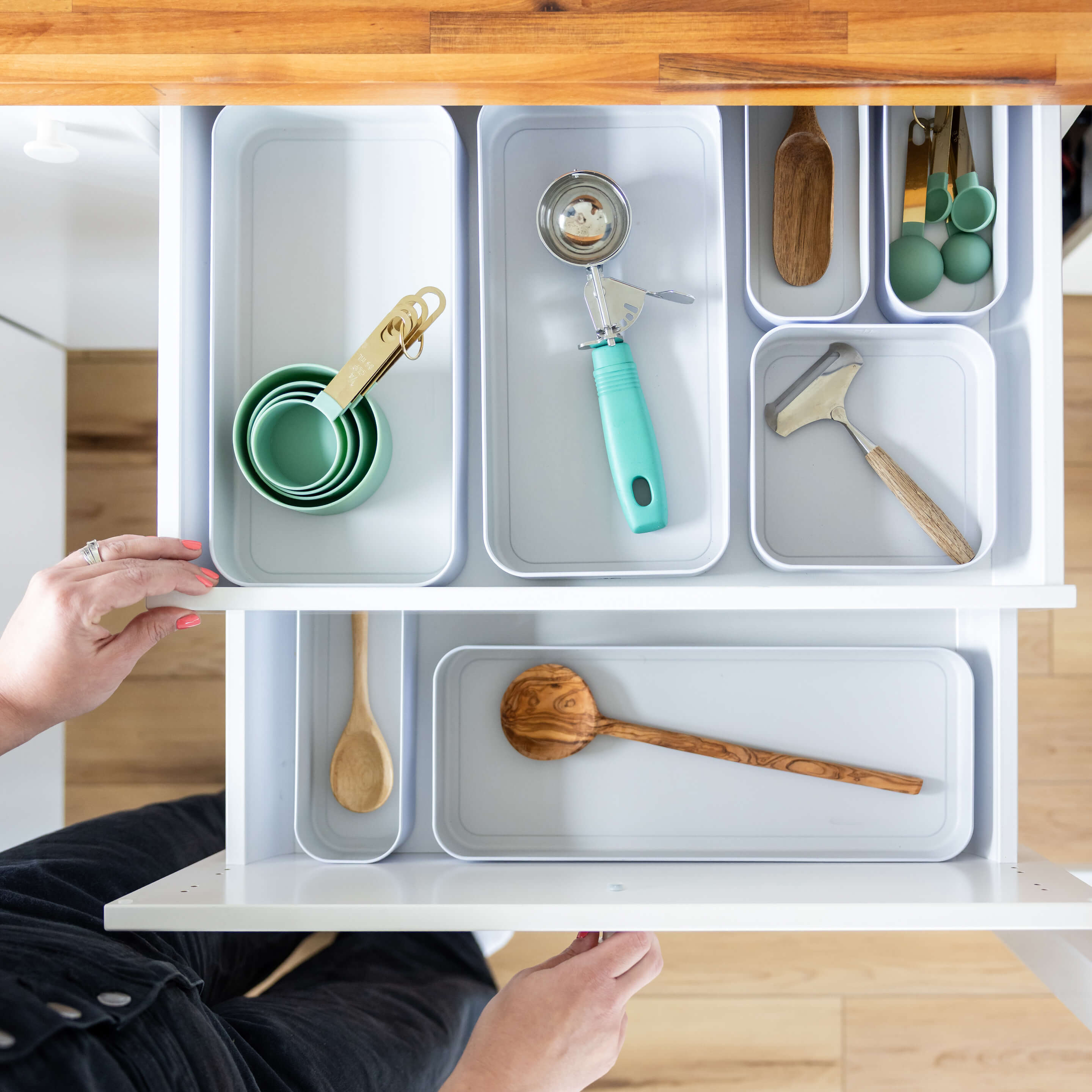
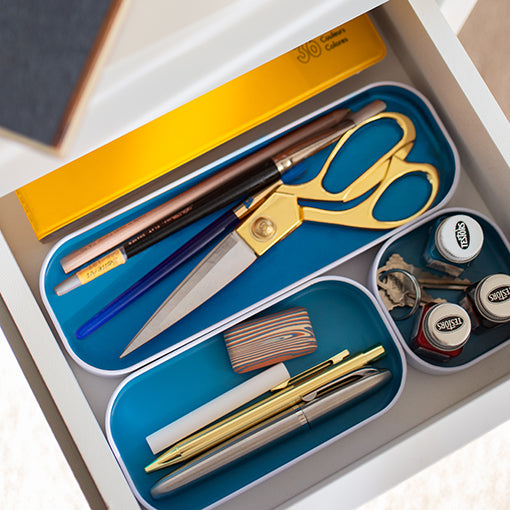
Sort toys into three or four large felt bins by rough category — building toys, pretend play, vehicles, puzzles and games. One felt bin's contents live in the room at any given time; the rest go to a closet shelf or garage rack. Felt matters with kids specifically: no sharp corners, no cracked plastic edges, light enough that a kid can carry the bin themselves, and sturdy enough to survive being sat in, stood on, and occasionally used as a boat (it will be used as a boat). For smaller categories — Lego pieces, dress-up accessories, art supplies — a stacking organizer or drawer organizer inside the felt bin keeps tiny pieces from becoming one undifferentiated pile at the bottom.
Sorting toys into categories that make sense
The category system matters more than people expect. Grouping "everything" into one enormous toy storage bin defeats the purpose, because a kid still has to dig through chaos to find what they want — it just moved locations. Sort by type of play instead: one felt bin for building and construction toys, one for imaginative play, one for vehicles and action figures, one for puzzles and small pieces. When a bin comes out, the child gets a coherent category to dig into rather than a random assortment, which is part of why the play that follows lasts longer. This kind of toy storage is the backbone of good kids room organization overall — the room stays legible to both kid and adult.
Rotate on a rhythm, not a whim
Every two or three weeks, swap the active bin for one that's been resting in storage. Involve the kid — choosing what comes out is half the fun and quietly teaches the deal: for toys to come out, toys go back in first. Put it on a recurring reminder if you need to, because rotation works perfectly until it's forgotten for two months and the floor slowly refills with everything at once. Rotation day is also your stealth audit for broken pieces, missing puzzle parts, and toys the kid has outgrown — you're already handling every toy in the house, so sorting what to donate takes five extra minutes, not a whole afternoon.
What to do with the toys that never get chosen
Rotation has a useful side effect: it tells on toys nobody wants. If a bin comes back around three or four times and a toy never gets touched, that's real data — set it aside in a separate felt bin for donation instead of returning it to the closet shelf. This keeps toy storage from slowly bloating back to "everything, always," the exact problem rotation solves.
Cleanup becomes one instruction
"Clean your room" is abstract and a little cruel to ask of a three-year-old — it has no clear finish line. "Put the toys in the bin" is achievable, visible, and has an obvious end point. One open-top felt bin, everything in it, done. The room resets in minutes because the system is exactly one step, not a sorting project disguised as a chore. That's the quiet win of toy rotation as a whole: it turns kids room organization from a parent-managed campaign into something a small child can actually own.
Frequently asked questions
How many toys should be out at once?
Just a small, curated selection from one felt bin — a floor full of options overwhelms kids the same way too many streaming choices overwhelm adults.
How often should we rotate the toys?
Every two or three weeks works well, and letting the kid choose what comes out makes rotation day feel like a treat instead of a chore.
Why use felt bins for toy storage specifically?
They have no sharp corners or cracked edges, they're light enough for a kid to carry, and sturdy enough to survive being sat in.
What age is toy rotation appropriate for?
It works from toddlerhood through early elementary — even a three-year-old can manage "put the toys in the bin" as a single, achievable instruction.
What do I do with toys that come back broken during rotation?
Rotation day doubles as a stealth audit — pull anything broken or outgrown while you're swapping bins instead of waiting for a separate decluttering session.