












The Photo Wall You'll Actually Change: Displaying Memories Without Commitment
Everyone means to print photos; the printed photos then mean to get framed; the frames mean to get hung. The pipeline stalls because every stage feels permanent — buying a frame is a decision, drilling a hole is a decision, and most of us would rather leave photos in a phone folder than commit to the wrong choice. The unlock is a display that treats photo display like a rotation, not an installation, where nothing is a big decision and everything can change next month. That single shift — permanent to rotating — is why a magnetic bulletin board solves a problem that frames have never solved, no matter how many you buy.
Magnetic display: zero holes, zero ceremony
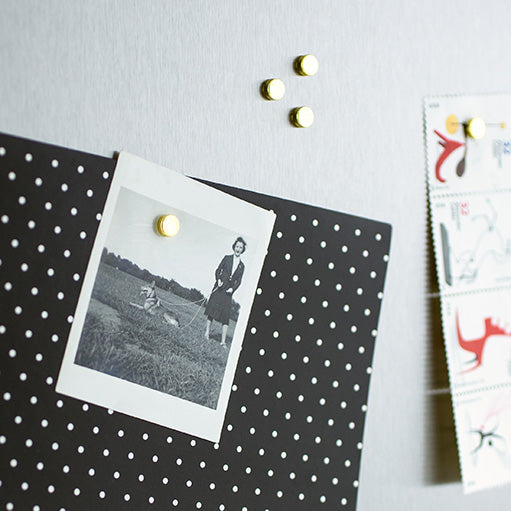
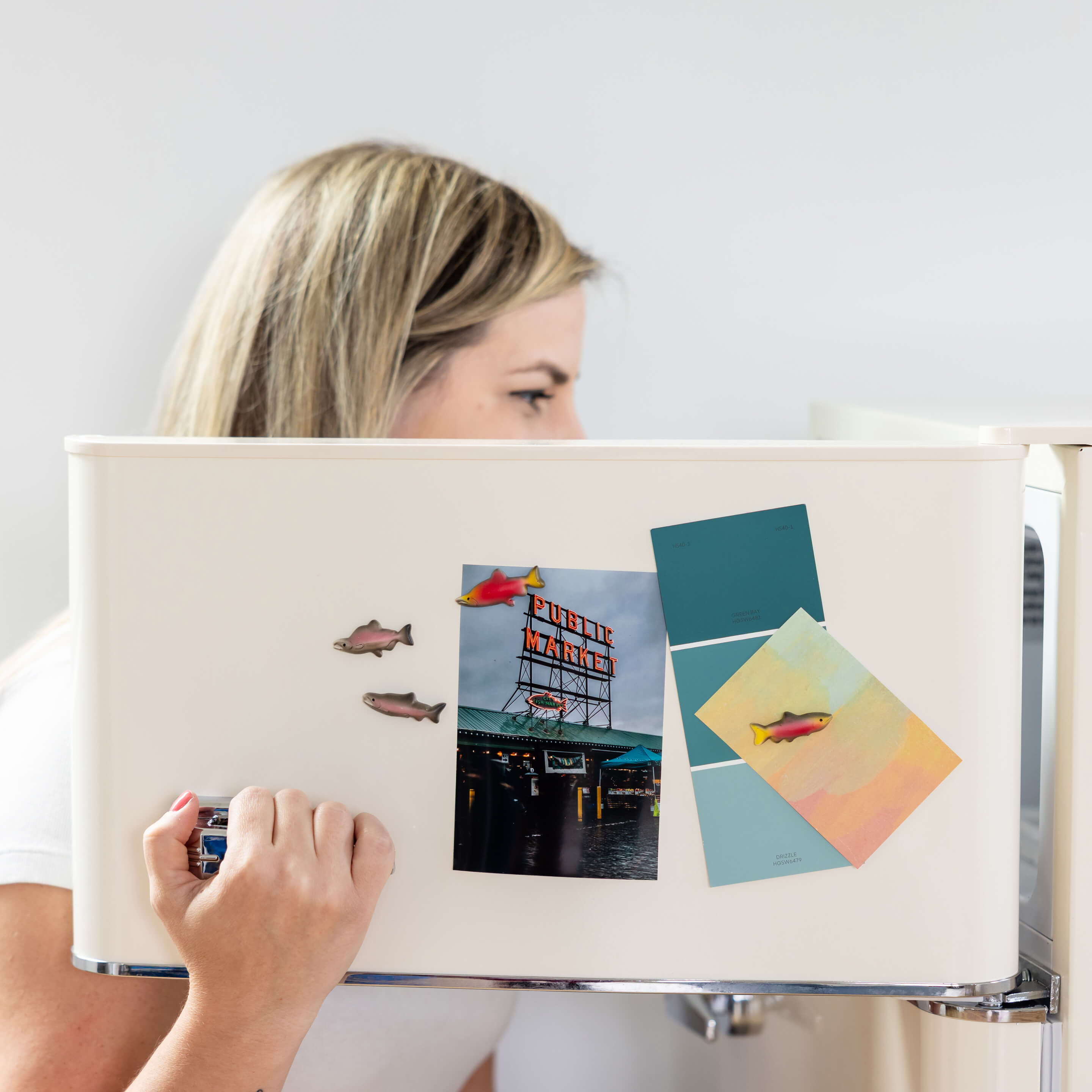
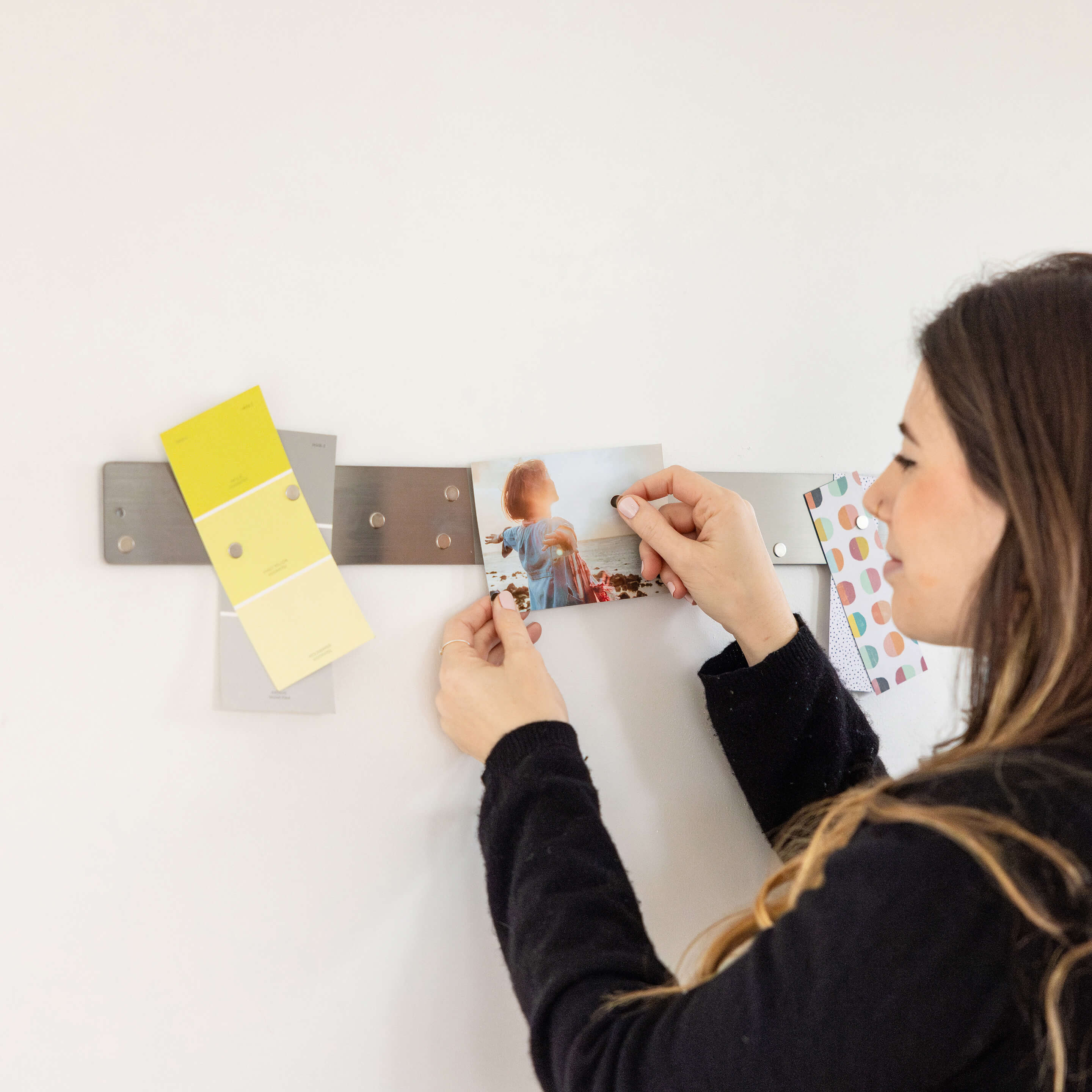
A magnetic bulletin board turns photo display into a two-second act — print, pin, done. No frames to buy, no nails to hammer, no committee decision about whether this photo deserves wall status forever. Because nothing is permanent, everything is displayable: the blurry-but-perfect one, the postcard, the kid's ticket stub from the game, the photo booth strip from a wedding. A magnetic board also means you can print in batches — a dozen four-by-sixes from a phone app — and get them all up in the time it would take to hang a single frame.
Rotate monthly, keep it alive
Framed photos go invisible within weeks — your brain files them as furniture and stops actually seeing them, the same way you stop noticing a couch after the first month. A rotating board stays seen precisely because it changes. First Sunday of the month, swap a few pieces: recent prints in, last season's shots to the memory box. The wall becomes a living feed instead of a shrine, which means it does the one job static photo display never quite manages: getting looked at.
Mix the ephemera in
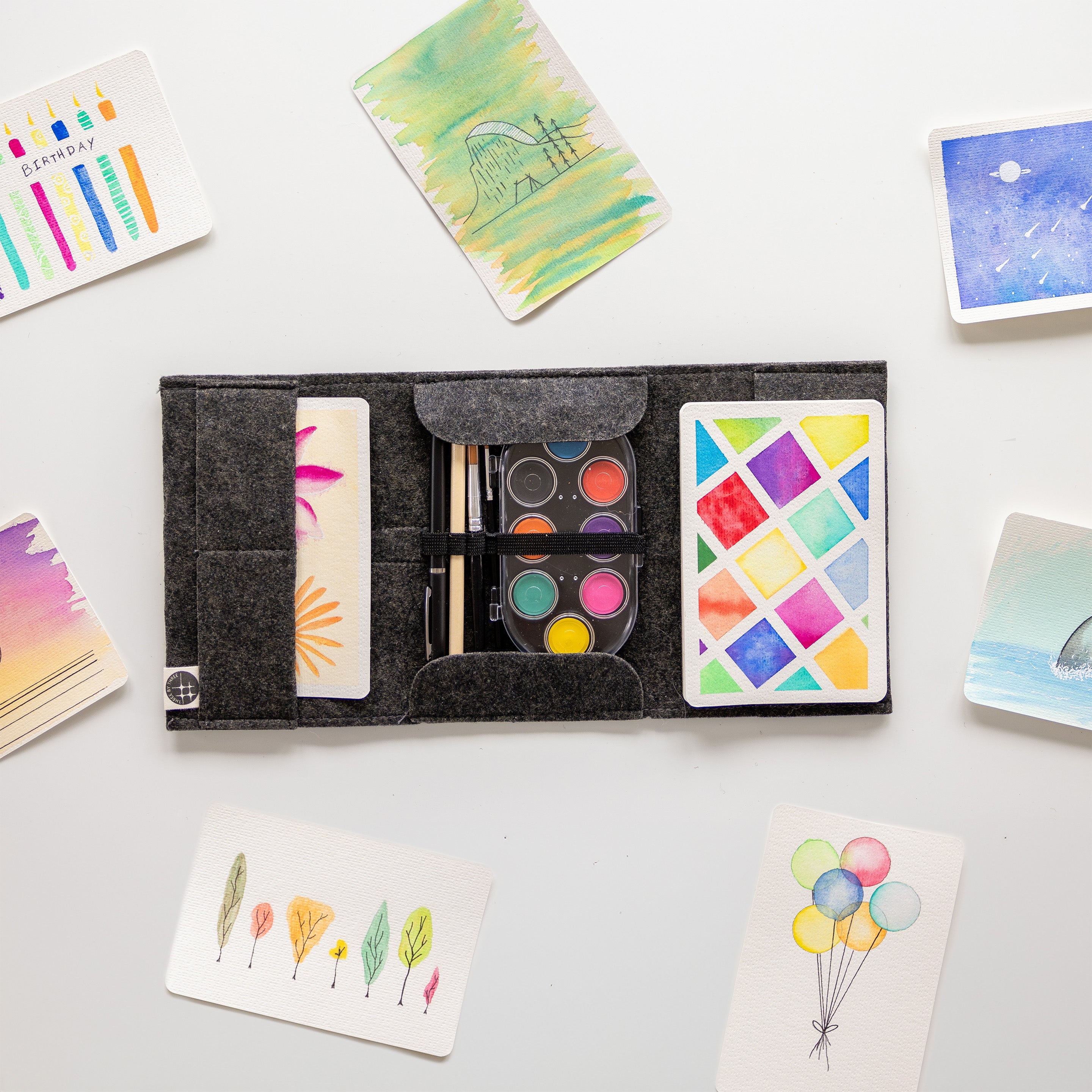
The best memory walls aren't only photos — concert stubs, a pressed leaf, the watercolor postcard from a friend, a fortune-cookie slip that hit different. A magnetic board accepts what a frame can't, because pinning takes no more effort than a photo does. Curation rule of thumb: two-thirds photos, one-third artifacts, and it reads like a life instead of a catalog. This is also where memory keeping gets genuinely fun — a movie ticket next to a photo from that same night tells a fuller story than either would alone.
Group by season, not by year
A wall that tries to hold every year at once turns into visual noise fast. Instead, build each rotation around a season or a stretch of a few months — summer trips, the fall of a specific school year, a holiday stretch — so the board always has a loose theme even without a caption in sight. When the season changes, the whole cluster comes down together, which makes the monthly swap faster than picking pieces one at a time. This also means the photo display never gets stale in one corner while the rest goes untouched.
The retired pieces get a home
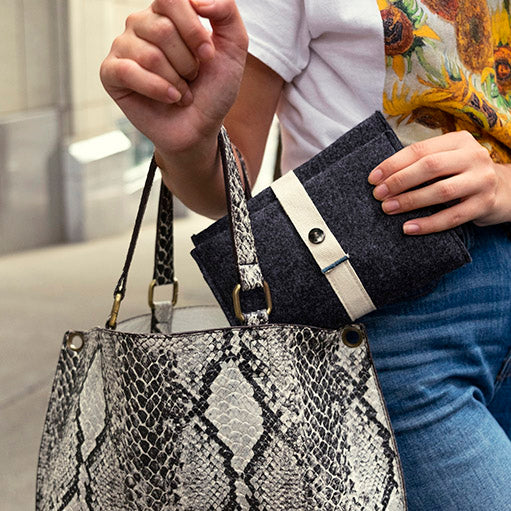
Rotation only works if "off the board" isn't "into a junk drawer." One small felt bin collects retired pieces; when the felt bin fills, the best graduate to the permanent photo box and the rest release. The wall stays fresh, the archive stays curated, and nothing precious gets lost in the shuffle between the board and the box. Skipping this step is how "temporary" photo piles start forming on nightstands and desk corners — the felt bin is what keeps the rotation from just relocating the clutter.
Let kids run their own corner
A magnetic bulletin board is also an easy way to hand memory keeping to kids without supervision required. Give them a low section of the board for their own photo display — school pictures, sports team shots, a friend's birthday party — and let them swap it out themselves. It teaches the same rotation habit early, and a kid-curated corner is often the most honest, joyful part of the whole wall.
Frequently asked questions
Why use a magnetic board instead of frames for photos?
It removes the ceremony — print, pin, done — with no nails, no frames to buy, and no permanent commitment to any single photo.
How often should the display rotate?
Monthly works well; framed photos go invisible within weeks because your brain files them as furniture, but a changing display stays noticed.
Can I display more than just photos?
Yes — mixing in ticket stubs, postcards, and other small ephemera (roughly two-thirds photos, one-third artifacts) makes the wall read like a life instead of a catalog.
What happens to photos that come off the board?
They go into one small felt bin until it fills, then the best graduate to a permanent photo box and the rest are released.
Is a magnetic board renter-friendly for displaying photos?
Yes — it mounts without nails or pushpins, which makes rotating photos completely damage-free for rented walls.