












The Memory Box Doctrine: Keeping the Past Without Storing All of It
Somewhere in most homes is the guilt archive: boxes of cards, programs, kid art, trip souvenirs, and inherited miscellany that nobody opens and nobody dares cull. Memory keeping fails in both directions — keep everything and nothing is findable; keep nothing and you regret it on the one day you go looking for a specific letter. Most people default to keeping everything because deciding what to release feels like betraying the memory itself, so the boxes multiply instead of resolving. The doctrine threads the needle: bounded space, a buffer for indecision, and a ritual that makes the whole system worth keeping.
One box per person, one per household
The constraint IS the system: each family member gets one memory container, plus one shared household box for the collective stuff. Not one per year, not one per kid per phase, not "just one more" when the current one is full — one. A bounded box forces the only question that matters: is this in my top hundred artifacts? Unbounded storage never asks that question, which is exactly why it grows a room at a time until it becomes someone's weekend project to deal with after you're gone. The size limit is the entire mechanism; everything else in this doctrine exists to help you respect it.
The buffer bin does the emotional labor
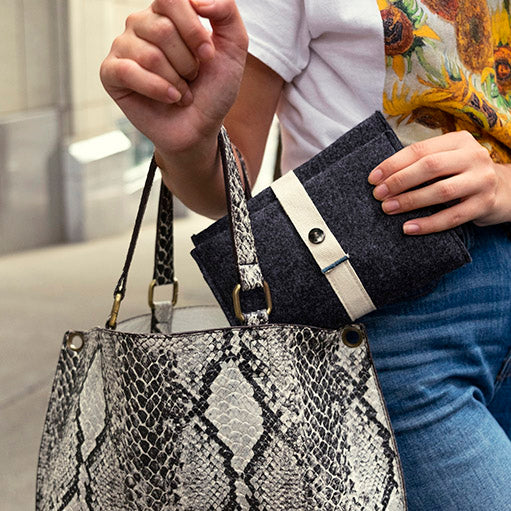
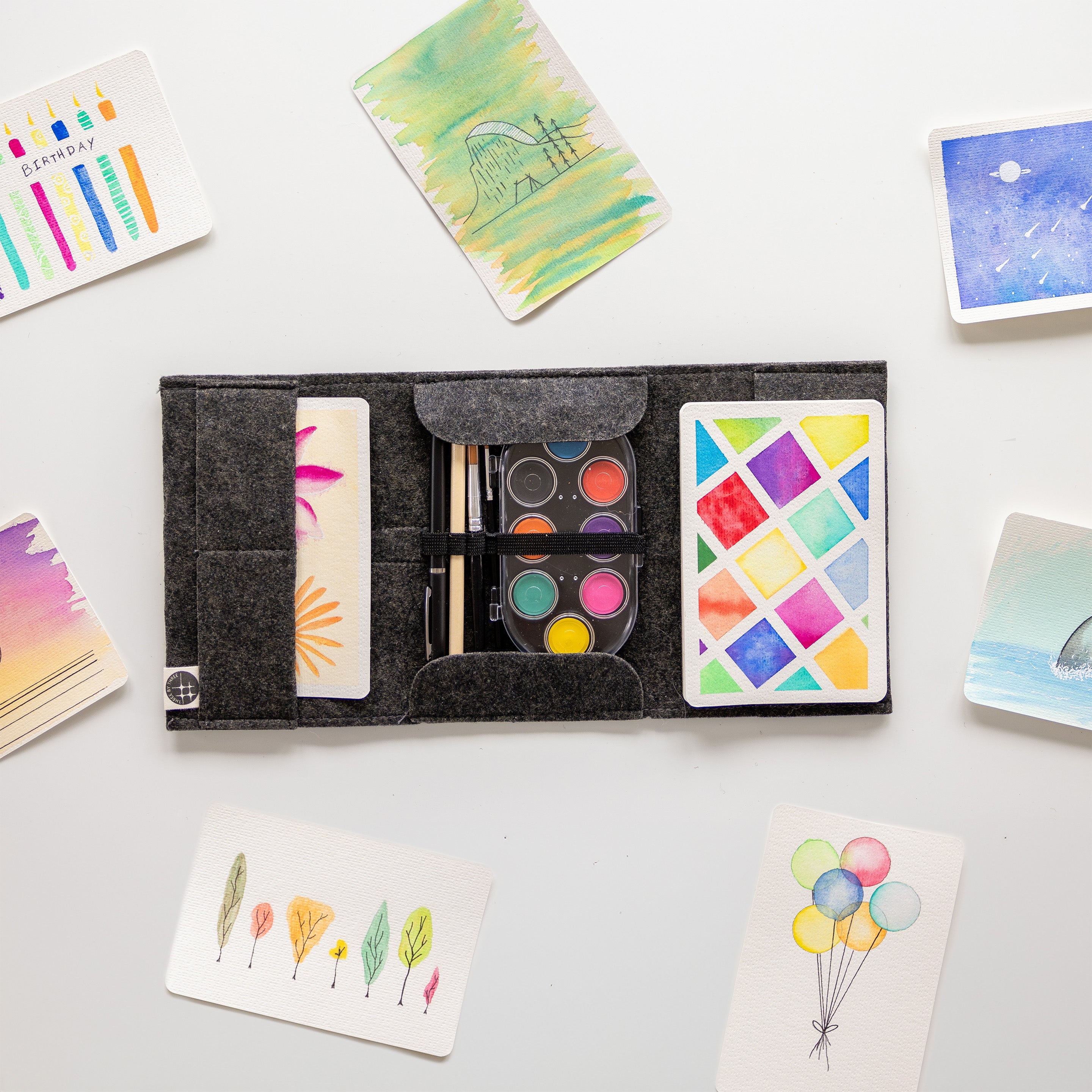
Deciding an item's fate at peak sentiment is how everything gets kept — you just got the card, the tears are fresh, and of course it feels irreplaceable in that moment. Instead, memories-in-waiting go to a felt buffer bin, no decisions required. Twice a year, review the felt bin: most items have cooled into easy calls, and the true keepers are obvious the second time around. You're never discarding fresh feelings — just filing settled ones, which is a much easier emotional lift than sorting through something an hour after it happened.
Photograph the bulky, keep the flat
The trophy, the giant art project, grandpa's unwieldy whatever — photograph them beautifully and keep the photo, then file it in the felt bin with the rest of the flat keepers. A picture in the memory box carries the story at one-hundredth the volume, and honestly, most bulky keepsakes were never about the object anyway — they were about the moment it represents, which a good photo preserves just fine. Reserve physical keeping for things whose texture matters: letters, the tiny shoes, the ticket stubs, anything where holding the actual object is part of the memory.
Sort by category, not chronology
When the twice-yearly review happens, resist the urge to sort strictly by date — a pile organized by category (letters, kid art, travel, milestones) is far easier to skim later than a pile organized by month, because you rarely go looking for "March of that one year." Loose categories inside the box, even without dividers, make the annual visit faster and the top-hundred question easier to answer, since you're comparing like against like instead of a random grab bag.
Visit the archive
The final rule: a memory box that's never opened is storage, not memory keeping. Once a year — a birthday, New Year's, whenever suits — open the box, wander it for ten minutes, no agenda beyond looking. That ritual is the entire point of keeping anything, and it's also the quiet quality check that keeps the collection worth its shelf space. If an item doesn't earn a smile or a story during that visit, it's a candidate for release next time the buffer bin gets reviewed.
Frequently asked questions
How much memorabilia should I actually keep?
One bounded box per person, plus one shared household box — the limit itself forces you to ask if something's truly worth keeping.
How do I decide what to keep without feeling guilty?
Use a felt buffer bin for anything you're not ready to decide about yet; review it twice a year once the sentiment has cooled and the calls get easier.
What should I do with bulky keepsakes like trophies or art projects?
Photograph them well and keep the photo instead of the object — it preserves the story at a fraction of the storage space.
What kinds of items are worth keeping physically instead of photographing?
Anything whose texture or materiality matters — letters, a baby's first shoes, ticket stubs — items where the photo just isn't the same.
How often should I actually open the memory box?
At least once a year — a memory box that's never opened is just storage. The annual visit is the entire point of keeping anything at all.