













The Kid Art Flood: Keeping the Masterpieces Without Keeping All of Them
A prolific five-year-old produces art faster than any household can realistically absorb it — three drawings before breakfast, a "masterpiece" on the back of a coloring page, and a full mural's worth of construction paper by the end of a rainy Saturday. Every drawing is precious in the moment; three hundred drawings are a drawer that won't close and a parent quietly dreading the next art project. The goal isn't to stop the art or love it less — it's a system that honors the work without archiving all of it: display, rotate, curate, release, on repeat.
Stage one: the gallery wall
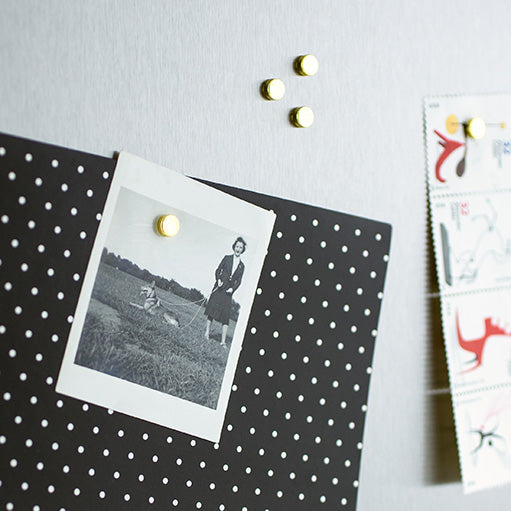
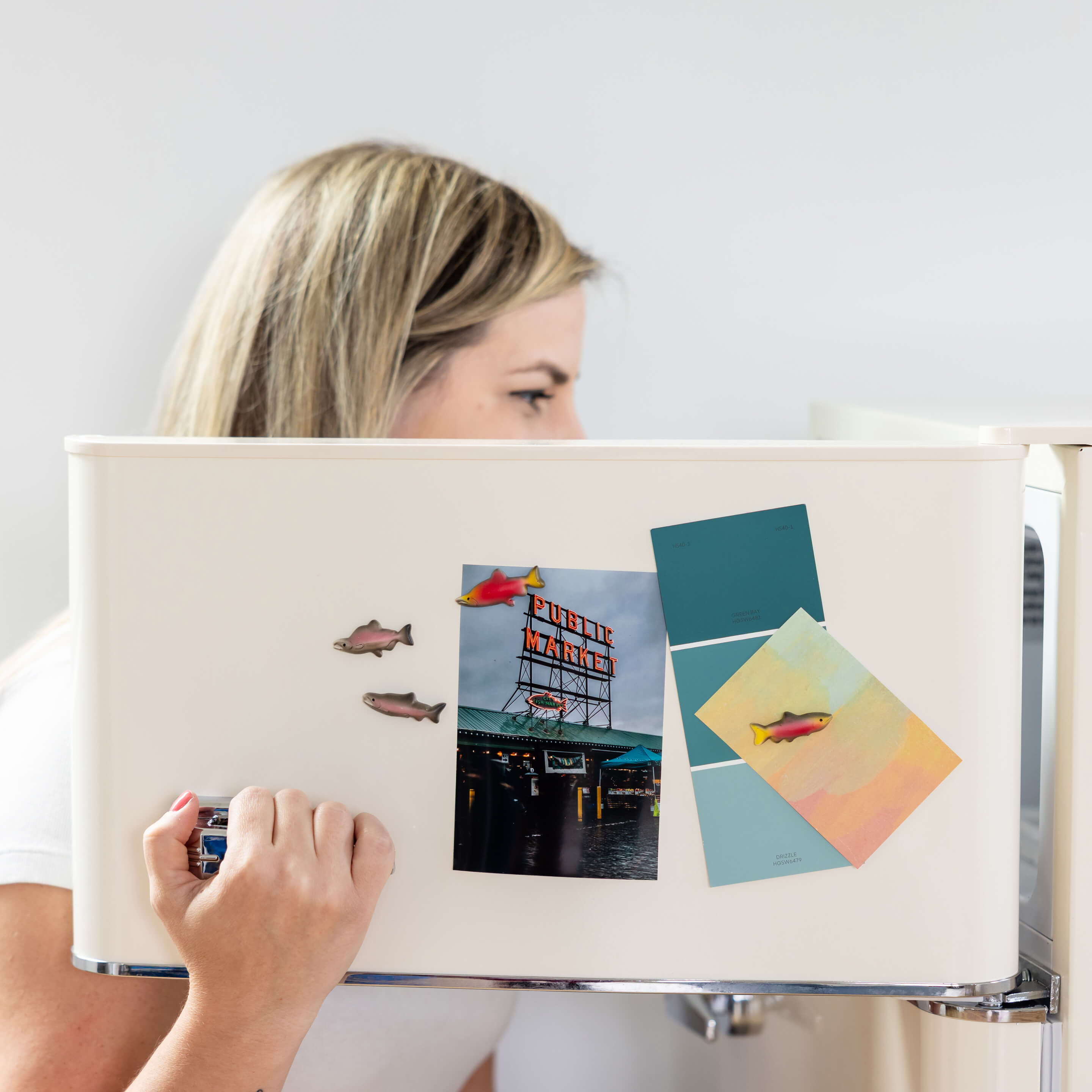
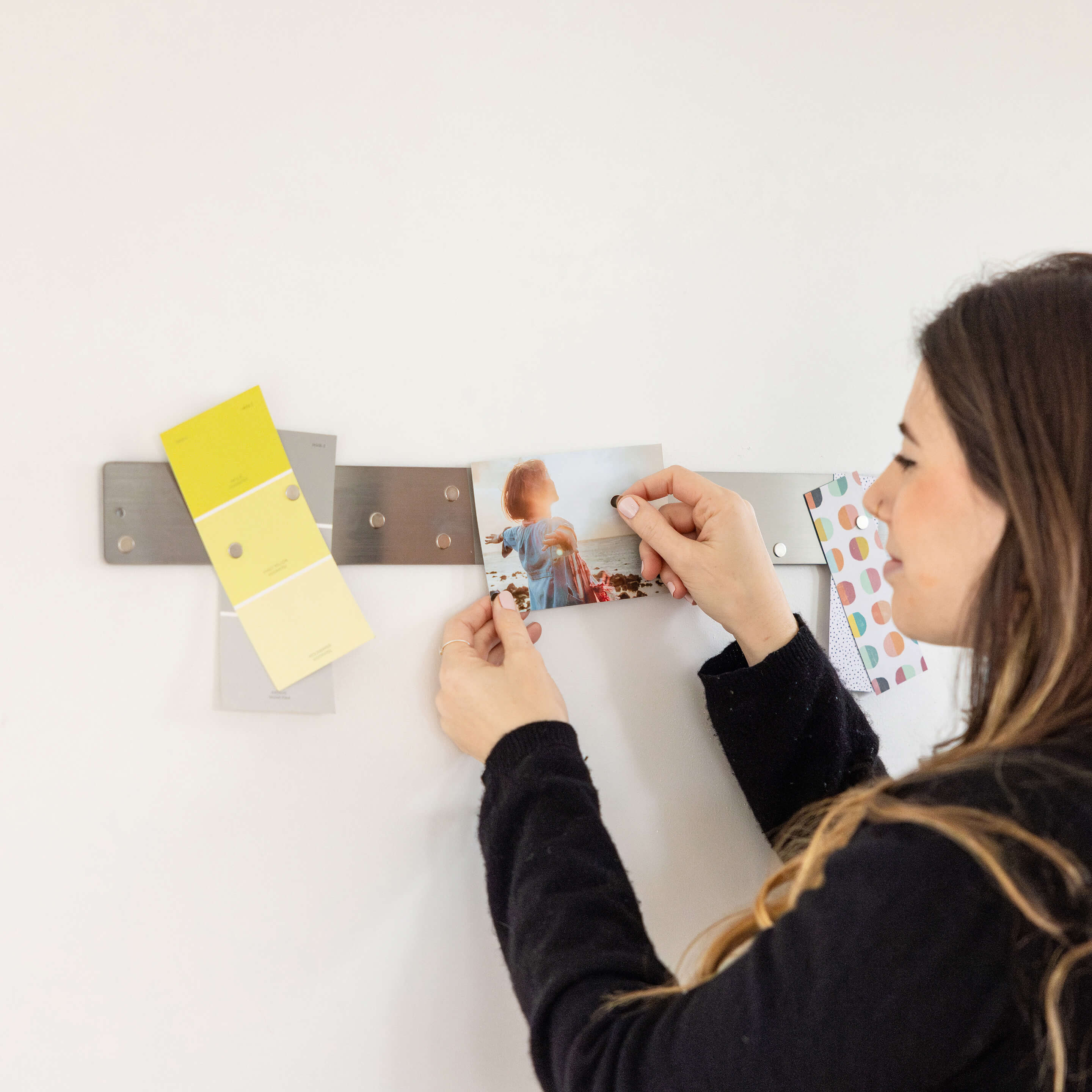
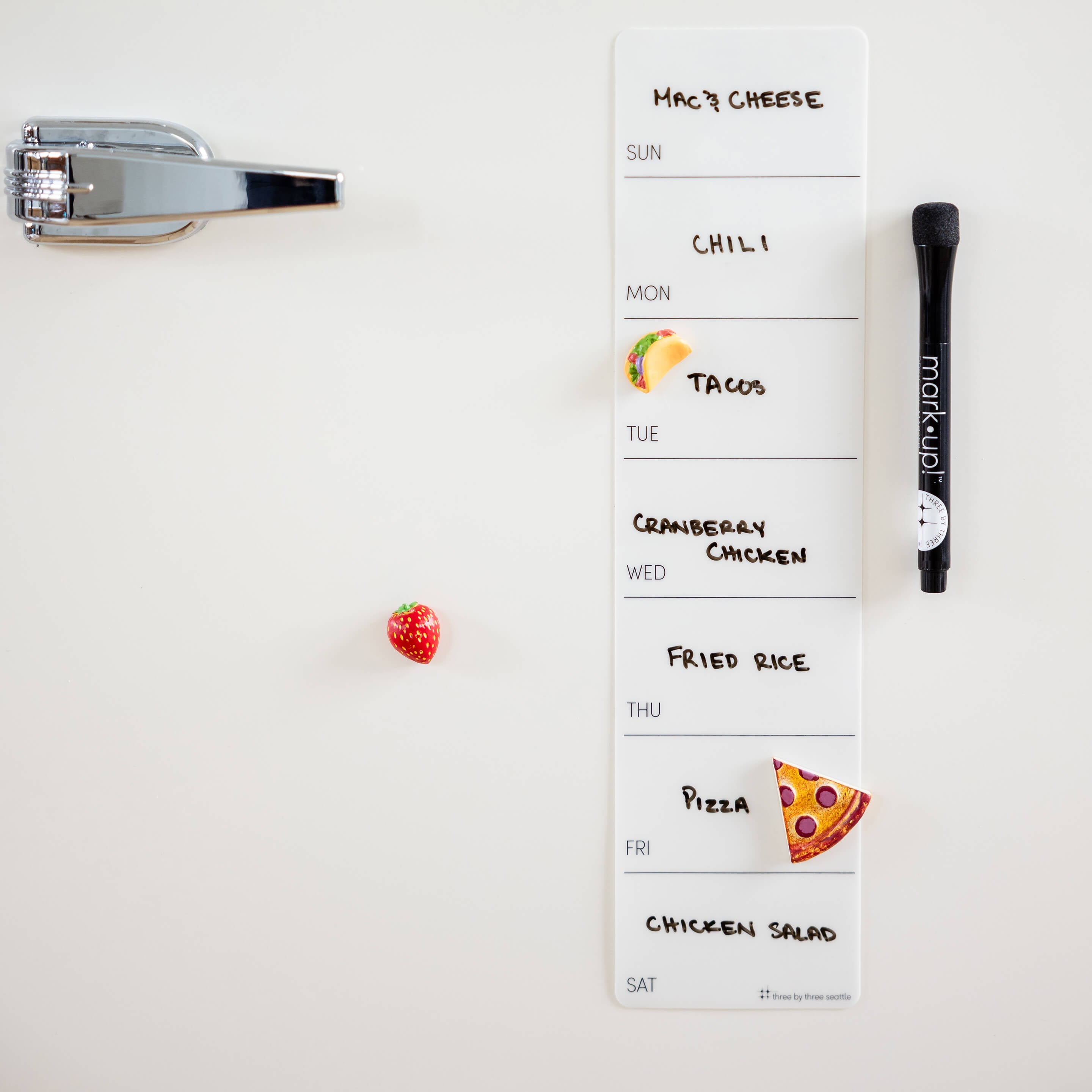
New art deserves its moment, on display, where the artist can see it and point it out to visitors. A magnetic bulletin board as the official gallery gives every fresh masterpiece a place of honor — no tape stripping paint off the wall, no pinholes through the paper, and swapping pieces takes two seconds flat. Kids notice when their work gets a real spot instead of a pile on the counter, and a magnetic bulletin board makes that spot feel permanent even though nothing on it actually is. When new work goes up, the outgoing piece doesn't go in the trash — it moves to stage two.
Stage two: the holding bin
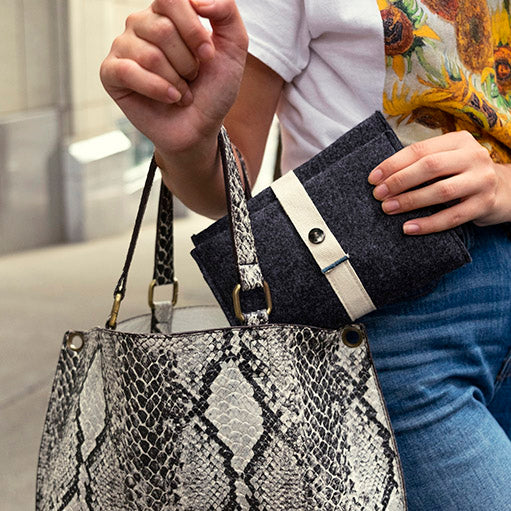
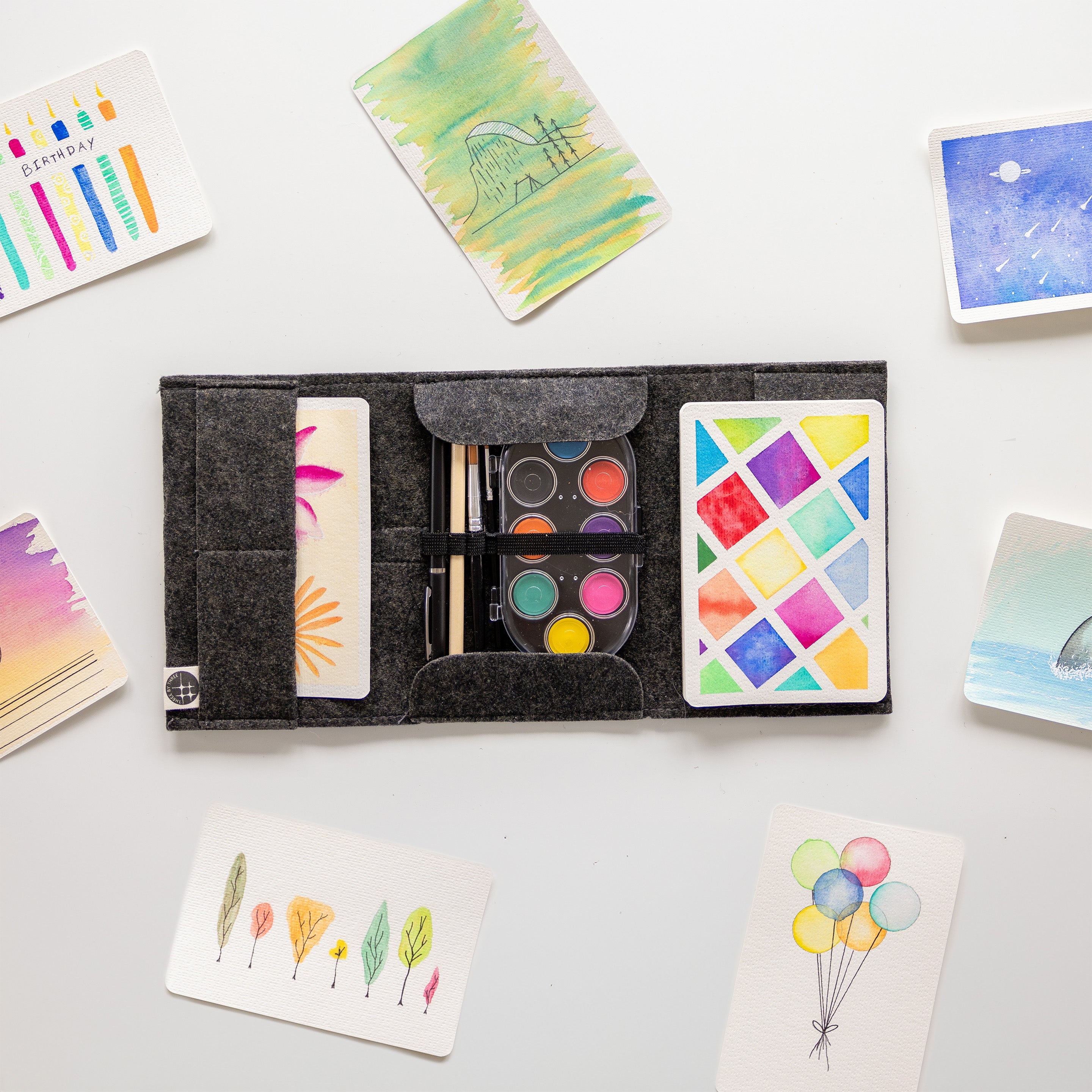
One felt bin collects the month's rotation off the gallery wall. This is the genius of the buffer: nothing gets discarded in front of the artist at peak attachment, which is exactly when a parent tossing a drawing feels like a small betrayal to a four-year-old. The bin just holds everything, undisturbed. Attachment fades on its own schedule — most kids genuinely don't remember or care about a specific drawing three weeks later, even though they'd have fought hard for it the day it was made.
Stage three: the monthly curate
Once a month — ideally with the kid sitting right there — pick the two or three keepers from the felt bin for the permanent archive box. Kids are often more ruthless curators of their own work than parents expect; handed the whole month's output and asked to pick favorites, most will happily let go of the ones that didn't feel special. Photograph the bulky pieces and anything 3D before recycling it, because a photo of the macaroni sculpture outlives the macaroni anyway and stores in a phone instead of a closet.
Handling the pieces that aren't paper
Paper drawings are the easy case. The harder ones are the clay projects, the popsicle-stick sculptures, the shoebox dioramas that showed up for one school assignment and now have nowhere to live. These get the same three-stage treatment, just with a shorter stage two: a gallery moment on a shelf instead of the board, a week or two in the felt bin instead of a month, then photograph and release unless it's a genuine standout. Treating 3D projects the same as flat art keeps kids art storage from splitting into two separate, harder-to-manage piles.
One archive box per kid, ever
The forever-keepers live in one labeled box per child. One. Not one per year, not one per school grade — one, permanently. When it fills, curation happens inside it: the newest addition means an older, less-loved piece gets photographed and released to make room. Eighteen years from now, one thoughtful box beats eleven overstuffed bins in a garage, both for the parent storing it and for the adult who eventually inherits their own childhood.
Teaching kids the system, not just running it for them
The real payoff shows up a few years in, when a kid starts doing parts of it themselves — deciding what goes on the board, what goes in the felt bin, what's worth keeping. That's worth encouraging early. A kid who learns that not every piece of art needs to live forever, and that a photo can hold a memory just as well as the object, is learning a genuinely useful skill about kids art storage years before "declutter" is even a word they know.
Frequently asked questions
How do I display new kid art without damaging walls?
A magnetic bulletin board gives each new piece a place of honor with no tape or pinholes, and swapping pieces takes seconds.
What happens to art that comes off the wall?
It goes into one felt holding bin for the month, so nothing gets discarded in front of the artist while they're still attached to it.
How many pieces should we actually keep long-term?
Aim for just two or three keepers per month in one permanent archive box per child — photograph bulky or 3D pieces instead of storing the originals.
Should kids be involved in deciding what gets kept?
Yes — kids are often more ruthless curators of their own work than parents expect, and it gives them ownership of the process.
What's the best way to preserve bulky 3D art projects?
Photograph them well before recycling the physical piece — a picture of the macaroni sculpture outlives the macaroni and takes a fraction of the space.