














The Homework Station: A Corner That Makes After-School Actually Work
Homework friction is rarely about the homework itself — it's about the fifteen-minute preamble of finding a pencil, clearing a spot, and locating the assignment sheet that migrated somewhere between the car and the couch. That preamble is where most homework time actually gets lost, and it's also where most of the daily arguing happens, long before anyone opens a textbook. A homework station kills the preamble entirely. It doesn't need a room or a Pinterest-worthy corner; it needs a defined spot with everything already in reach, every day, without a search.
Location: near you, not away from you
Younger kids do homework where the parents are — usually the kitchen table, within earshot of dinner being made and questions being answered. That's not a compromise; it's the right call developmentally, since younger kids work better with someone nearby to check in with. It means the station should be portable-adjacent: supplies live in a caddy or felt bin that lands on the table at four o'clock and leaves at dinner, rather than a fixed desk that sits empty all evening. Older kids graduate to a desk in their room as independence increases, but the system underneath stays identical — one container, everything needed, nothing to hunt for.
Stock the station once
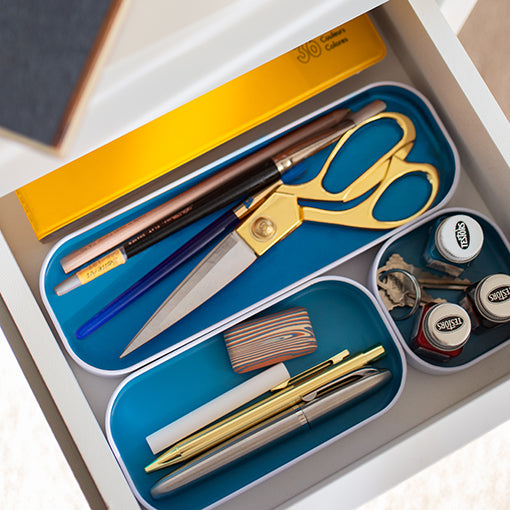
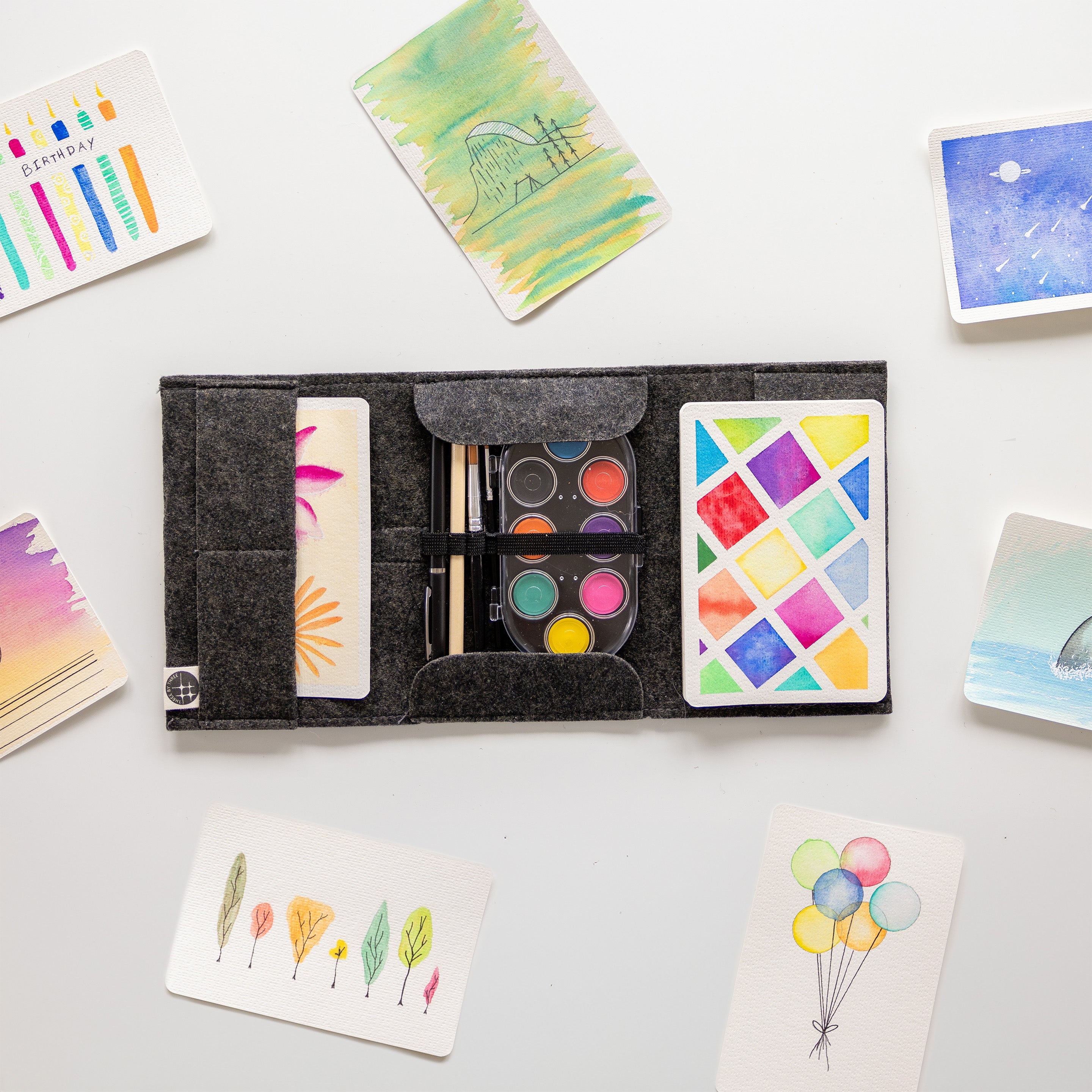
One bin with sharpened pencils, erasers, markers, a ruler, scissors, and glue — restocked monthly on a set day, not scavenged nightly from wherever supplies happen to be. Add a jOTBLOCK sketchpadfor scratch math, spelling practice, and doodled thinking; tearing off a sheet beats hunting for loose paper every time, and it keeps scrap work from spreading across the table. The rule that makes this work long-term: station supplies never wander into the general house supply drawer. This bin is sacred — if a marker leaves for a craft project, it comes back, or the whole system erodes one missing pencil at a time.
Put the assignments where eyes go
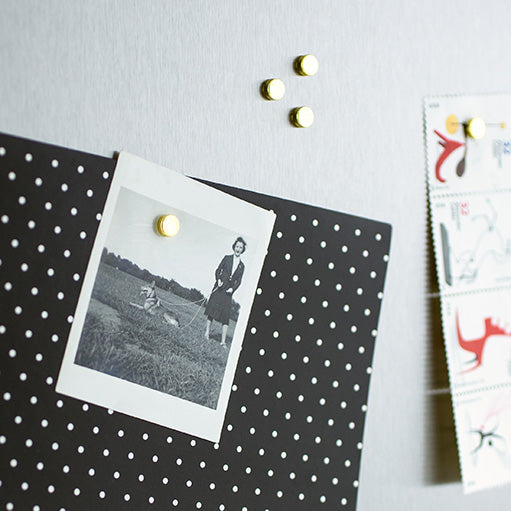
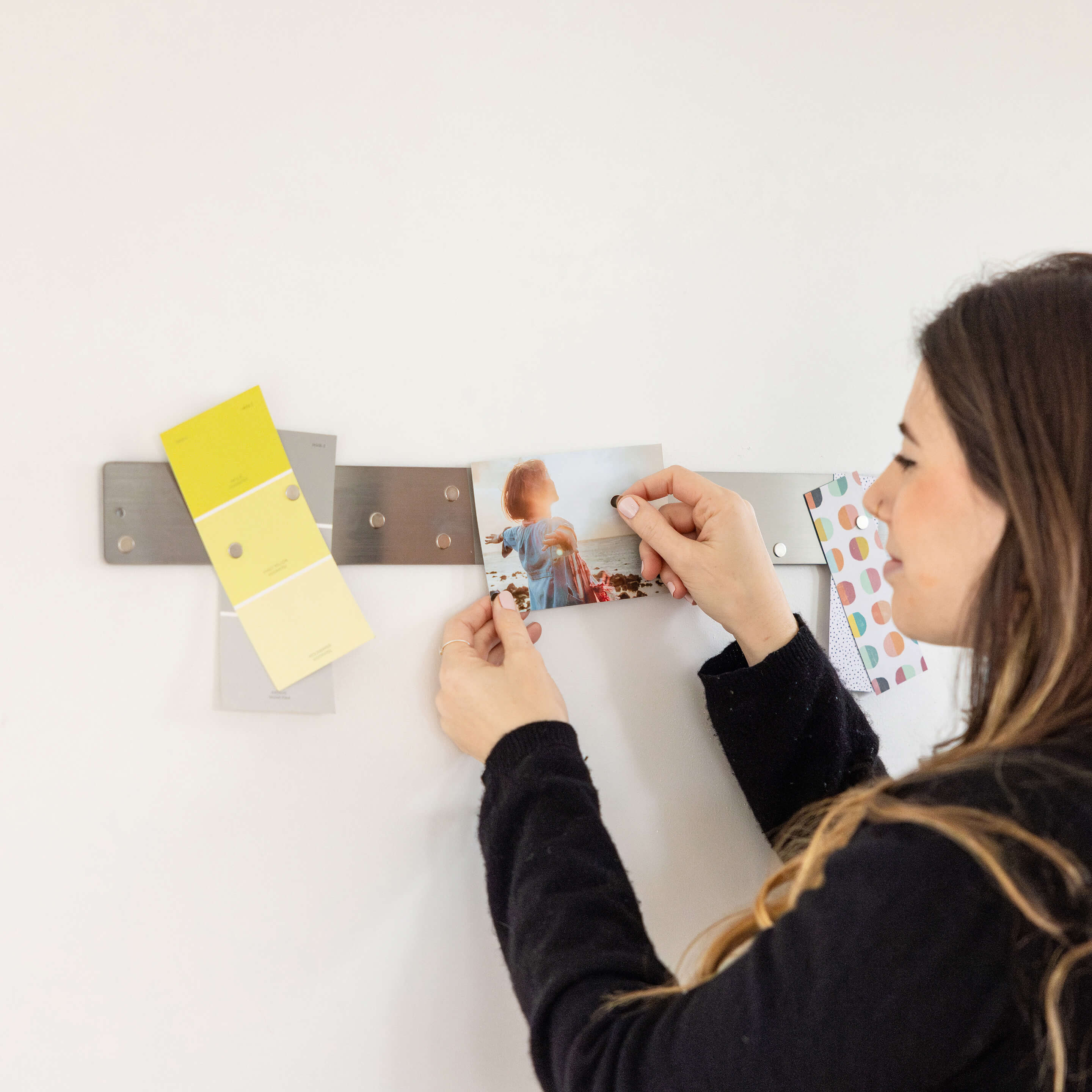
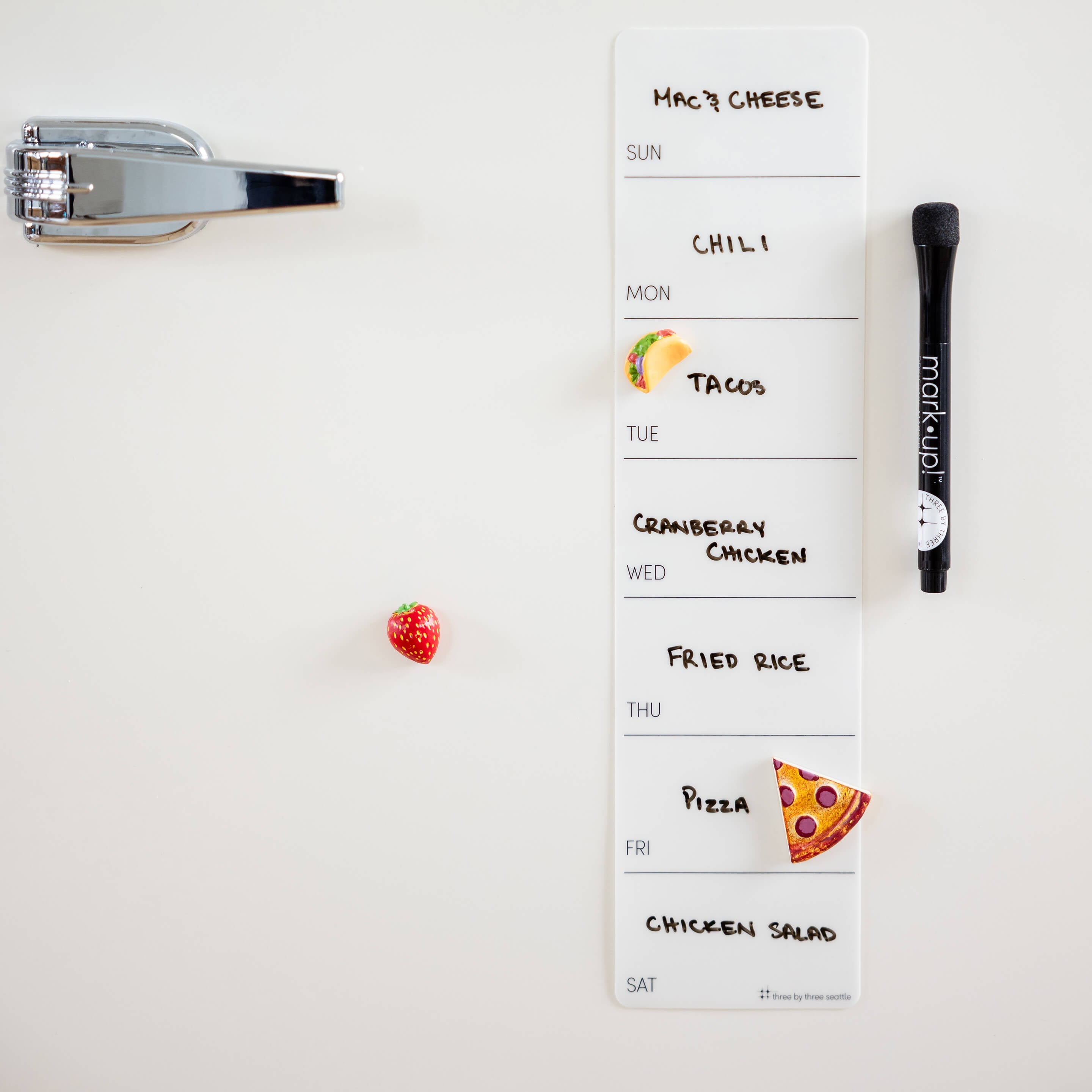
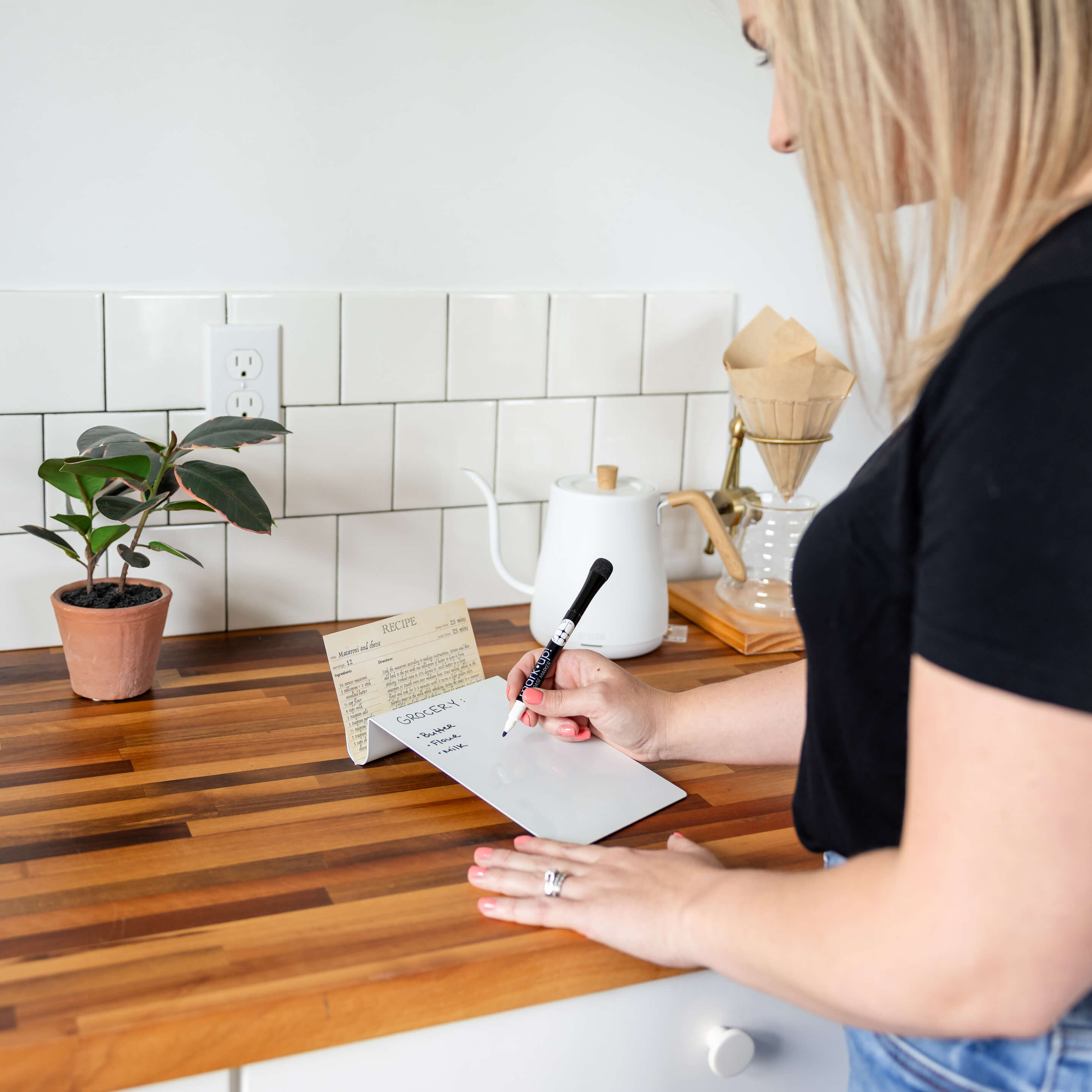
A small magnetic board at kid height holds the week's assignment sheets, the permission slip, and the reading log that otherwise lives crumpled in a backpack's bottom stratum. When it's pinned up in plain sight, parents and kids see the same reality — which ends a specific genre of 9pm surprise involving a project that was due that afternoon. A dry erase planner alongside the board works well for the bigger picture: test dates, project deadlines, and the recurring weekly schedule that's easy to lose track of once after-school activities layer on top.
One bin per kid, not one bin for the house
In a house with more than one kid doing homework, resist the urge to consolidate into a single shared supply bin. Siblings fighting over the last sharpened pencil at 4:45pm is its own kind of chaos, and it undoes the point of the station. Give each kid their own labeled felt bin, even if the bins sit in the same cabinet and get pulled to the same table. It costs a little more up front in duplicate supplies, but it removes a whole category of daily friction, and lets each kid's station match their actual homework load and age.
The backpack handoff
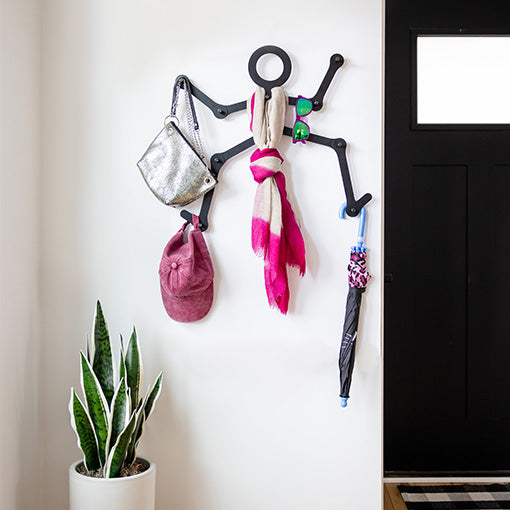
The station's closing move: finished work goes straight into the backpack, and the backpack goes to the entryway hook, not back onto a chair or the counter to be dealt with "later." Homework done but left on the table is homework lost by morning — buried under mail or a sibling's own pile. The loop only closes when the paper is physically where tomorrow's departure starts. This is the single habit that saves the most morning panic, and it costs about ten seconds once the homework is actually finished.
Building the habit so it sticks
A homework station only pays off if it's used the same way every day, which means setup and teardown need to be boring and automatic rather than something to remember. Tie it to an existing routine — the station comes out right after the backpack comes off the hook, and it goes away right before dinner — so it rides along with things that already happen daily instead of needing its own reminder. Within a couple of weeks, most kids stop needing to be told and start pulling the bin out themselves, which is really the whole goal: a system so simple it runs itself.
Frequently asked questions
Where should the homework station be for younger kids?
Near you, not away from you — usually the kitchen table, with supplies in a portable felt bin that comes out at homework time and leaves at dinner.
What goes in the supply bin?
Sharpened pencils, erasers, markers, scissors, and glue, restocked monthly — with the rule that station supplies never wander off to the general house stash.
How do I stop finished homework from getting lost?
Close the loop physically: finished work goes straight into the backpack, and the backpack goes to the entryway hook.
What's the jOTBLOCK for exactly?
Scratch math and doodled thinking — tearing off a sheet is faster than hunting for loose paper, so it keeps scrap work contained instead of scattered.
How do parents stay aware of assignments without nagging?
A kid-height magnetic board that displays the week's assignment sheets and permission slips means everyone sees the same information without a nightly interrogation.