


















The Family Command Center: One Wall That Runs the Whole House
Every family has a version of the same morning: someone can't find the field trip form, someone forgot practice moved to Thursday, and someone is asking what's for dinner while you're already late. A family command center is the antidote — one wall where the household's moving parts become visible instead of living in six different heads, three group texts, and a backpack pocket nobody checks. It doesn't need to be elaborate. It needs to be looked at every single day, which is a much lower bar than most organizing projects and a big part of why this one actually works.
Why a wall beats an app
Shared calendar apps are wonderful until half the household stops opening them, and the half that stops is usually the half you most need to reach — the teenager, the grandparent helping with pickup, the kid who doesn't have a phone yet. A physical command center works because it's ambient: you absorb the week's shape every time you walk past on the way to the coffee maker. Kids who can't have phones can still see soccer on Thursday scrawled in dry erase marker at their eye level. Visibility, not notifications, is what actually coordinates a family, and a wall never needs an app update or a wifi connection to keep working.
The three layers every command center needs
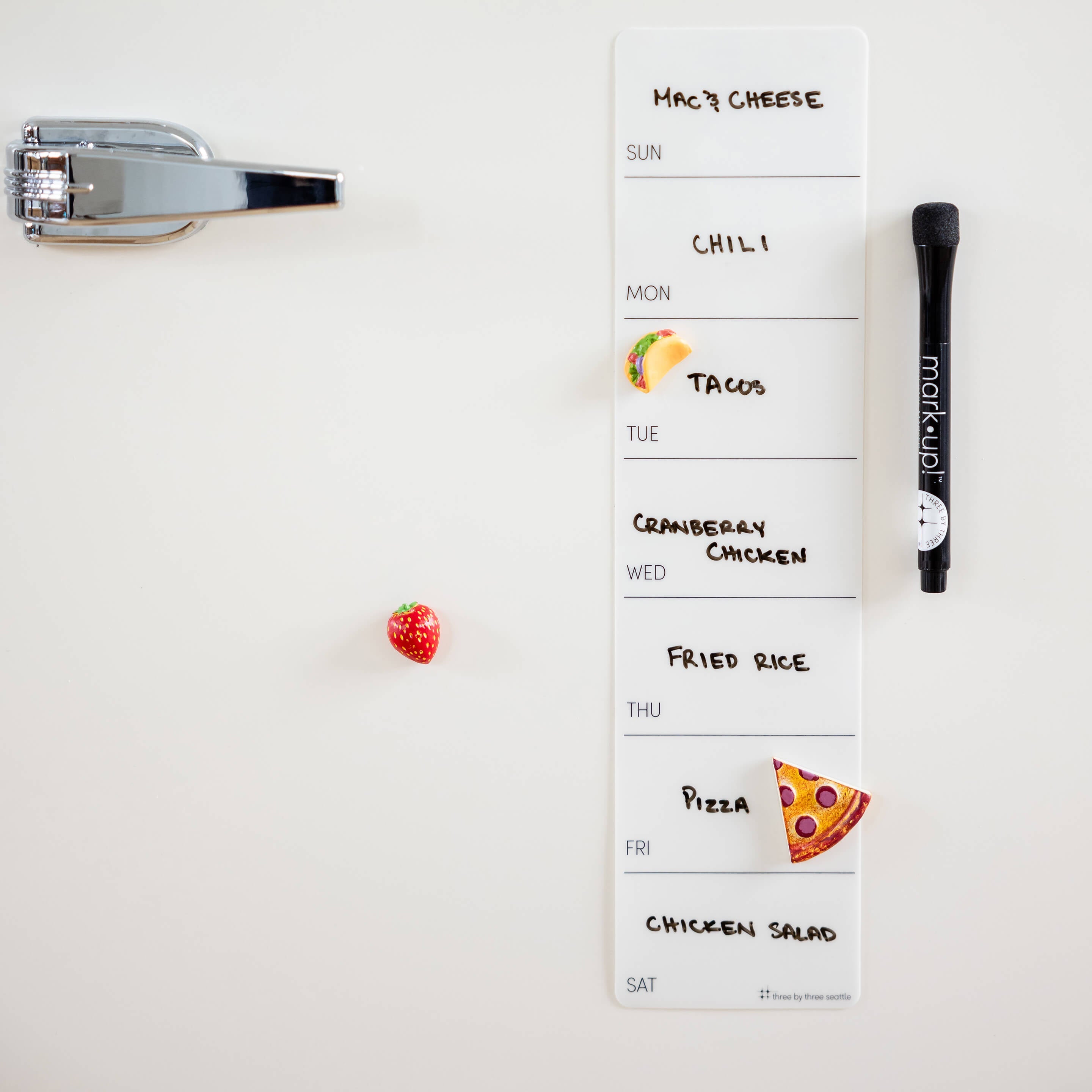
The calendar layer. A dry erase weekly planner is the backbone — big enough to read from across the room, erasable enough to survive a rescheduled dentist appointment without drama, and simple enough that a nine-year-old can update it correctly.
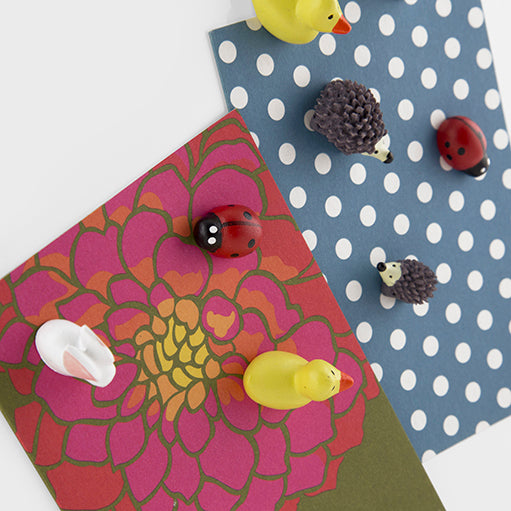
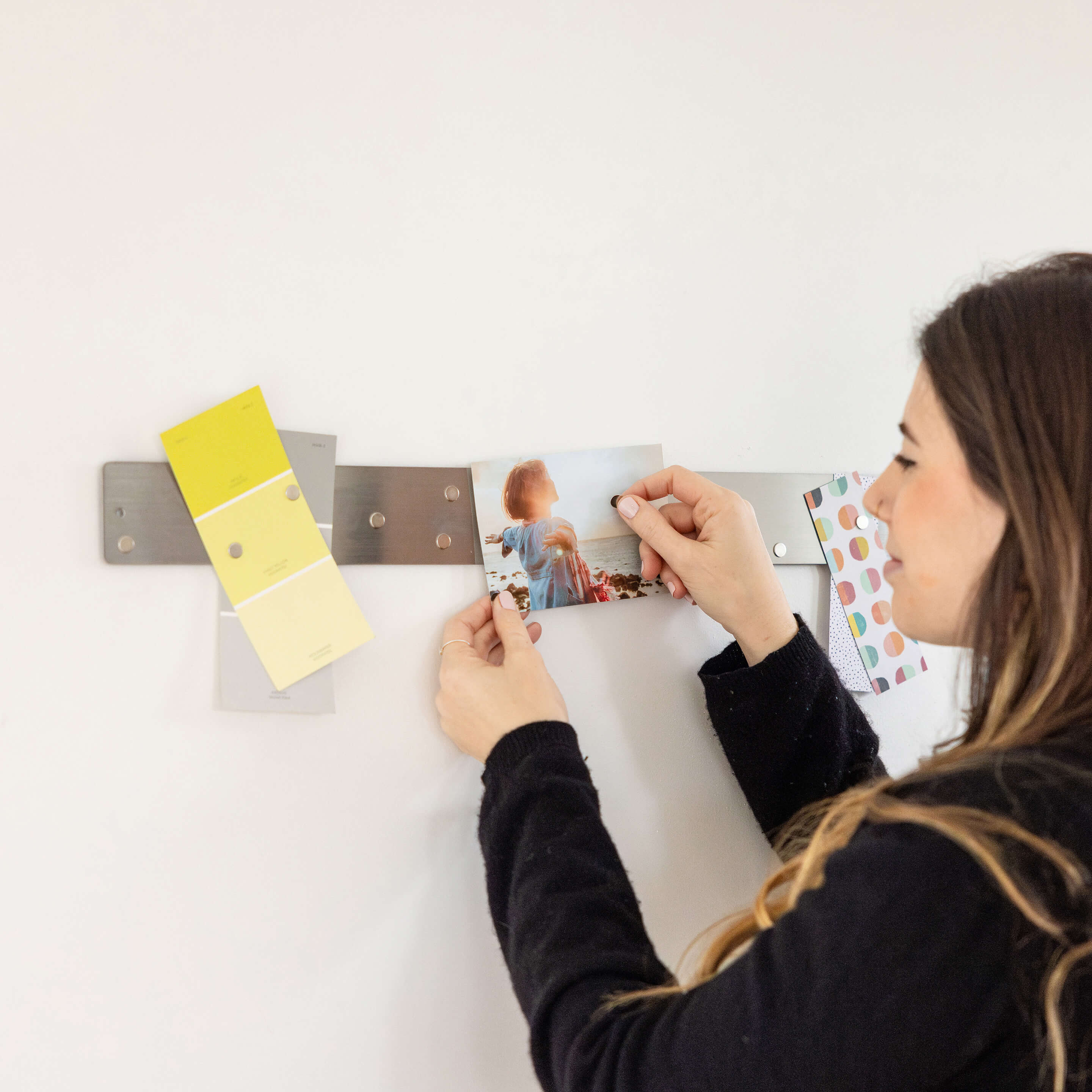
The paper layer. School notices, invitations, tickets, the takeout menu you actually use. A magnetic strip bulletin board holds the paper tide without pins, and everything on it stays visible instead of buried in a junk drawer or a stack on the counter that nobody wants to sort through.
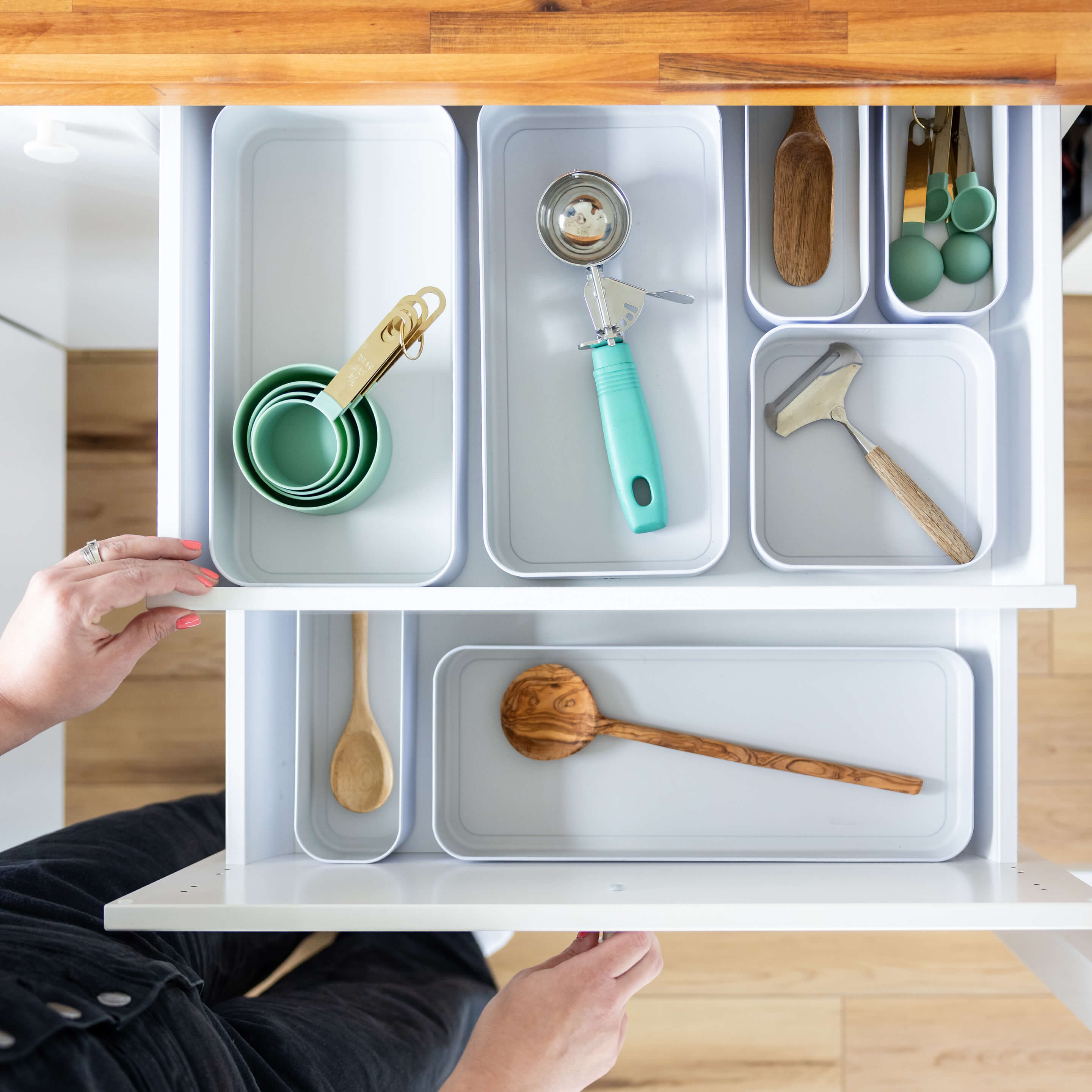
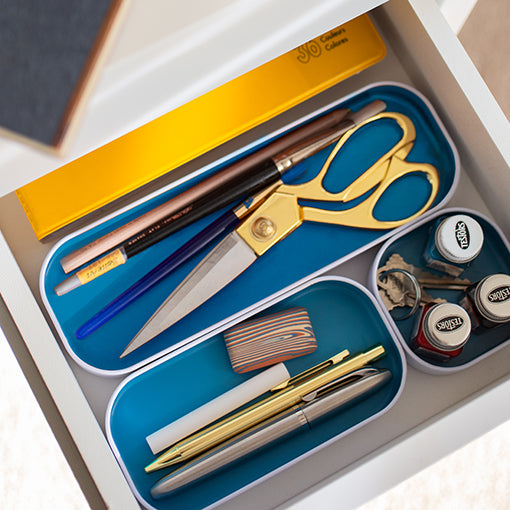
The stuff layer. Command centers accumulate objects — sunscreen, stamps, the library books going back, the permission slip that still needs a signature. A couple of felt bins beneath the wall keep the objects corralled, and because they nest in multiple sizes, the setup flexes as the season changes from backpacks and lunch boxes to mittens and field-trip forms.
Location decides whether it gets used
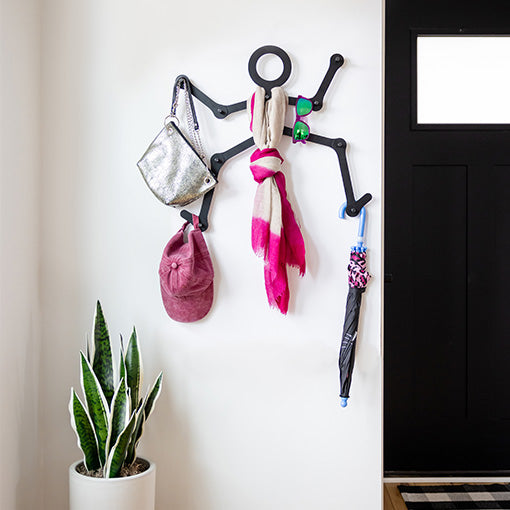
The command center goes where the household naturally flows — usually the kitchen or the hallway between kitchen and door, wherever people already stop moving for a few seconds each day. A beautiful system in the home office coordinates no one, because nobody but the person who works there ever sees it. Put it where breakfast happens and shoes go on, even if that spot is awkward or narrow. A command center crammed into a six-inch gap by the pantry that everyone actually passes beats a gorgeous wall display in a room people visit once a week.
Build in redundancy for the chaos days
Some weeks nobody has time to check anything twice, which is exactly when the command center earns its keep. Color-code each family member's items on the planner so a glance answers "whose is this" without reading every word. Keep a small felt bin specifically for outgoing items — the library book, the signed form, the check for the fundraiser — so the person heading out the door has one obvious place to grab from instead of hunting through backpacks. The system should work even on the days nobody has the bandwidth to think about it, because those are the days it matters most.
The Sunday reset
Ten minutes on Sunday: wipe the planner, write the new week, clear the board of anything expired, empty the bins of anything that migrated back to where it actually belongs. The reset is what keeps a family command center from becoming another surface that needs organizing in its own right. Skip a week and it's still recoverable; skip a month and you're rebuilding from scratch. Ten minutes buys a week of fewer surprises, fewer forgotten forms, and far fewer mornings spent looking for the field trip permission slip.
Frequently asked questions
Where should the command center go?
Wherever the household naturally flows through — usually the kitchen or the hallway between the kitchen and the door. A system tucked in a home office coordinates no one.
How often should we reset it?
Once a week is enough. A ten-minute Sunday reset — wipe the planner, clear expired papers, empty the bins — keeps it from becoming another cluttered surface.
What if my kids don't read yet?
A physical command center still works — young kids absorb the week's shape visually just by walking past it, even before they can read the words.
Do I need all three layers — calendar, paper, and stuff?
You get the most out of it with all three, but even one layer (usually the planner) is a meaningful upgrade over nothing. Add the others as you find the gaps.
What size planner works best for a family of four or more?
Go bigger than feels necessary — a weekly planner that's easy to read from across the kitchen prevents the squinting and crowding that makes people stop using it.