





















So Attractive! A Guide to Magnet Strength for Home and Office
Not all magnets are created equal. The flimsy promotional magnet that barely clings to the fridge is a completely different tool from one that pins a thick stack of school papers to a metal board without a hint of slipping. If you have ever watched a magnet slowly give up and let everything slide to the floor, you already know the frustration, and you also know the real culprit: it was not strong enough for the job.
Magnet strength is one of those details people rarely think about until something falls. But once you understand how it works, choosing the right magnet for the fridge, a bulletin board, or a locker becomes simple. Here is a practical guide to how magnet strength is determined, how much hold you actually need, and how to match the magnet to the task.
What makes one magnet stronger than another?
Magnet strength comes down to two things: the material the magnet is made from and its size. The strongest type for its size is neodymium, also called rare-earth, which is why a tiny strong magnet can outperform a much larger decorative one. Ceramic and flexible magnets, the kind used in most cheap promotional magnets, are far weaker and best reserved for a single lightweight note.
Size and thickness matter too. A thicker, denser magnet has more material generating its magnetic field, so it grips harder. There is also a simple trick worth knowing: stacking two magnets together roughly doubles the pull, so if a magnet is close but not quite holding, doubling up often solves it without buying anything new.
How much weight do you actually need to hold?
The right magnet depends entirely on the load. A single photo or a thin receipt needs almost nothing, while a wall calendar, a stack of permission slips, or a heavy recipe card needs a magnet with real grip. Buying one strength for everything is why people end up with a junk drawer of magnets that cannot hold what they need.
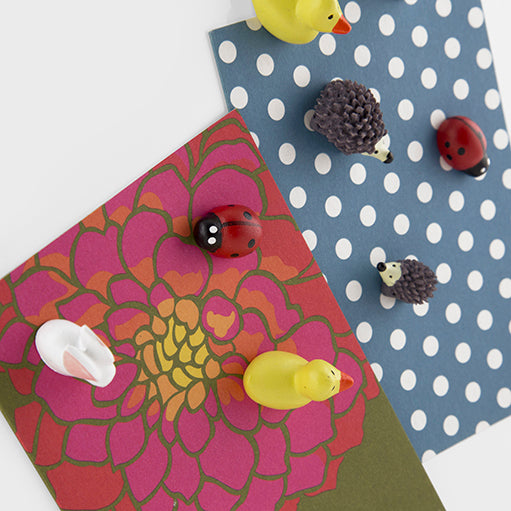
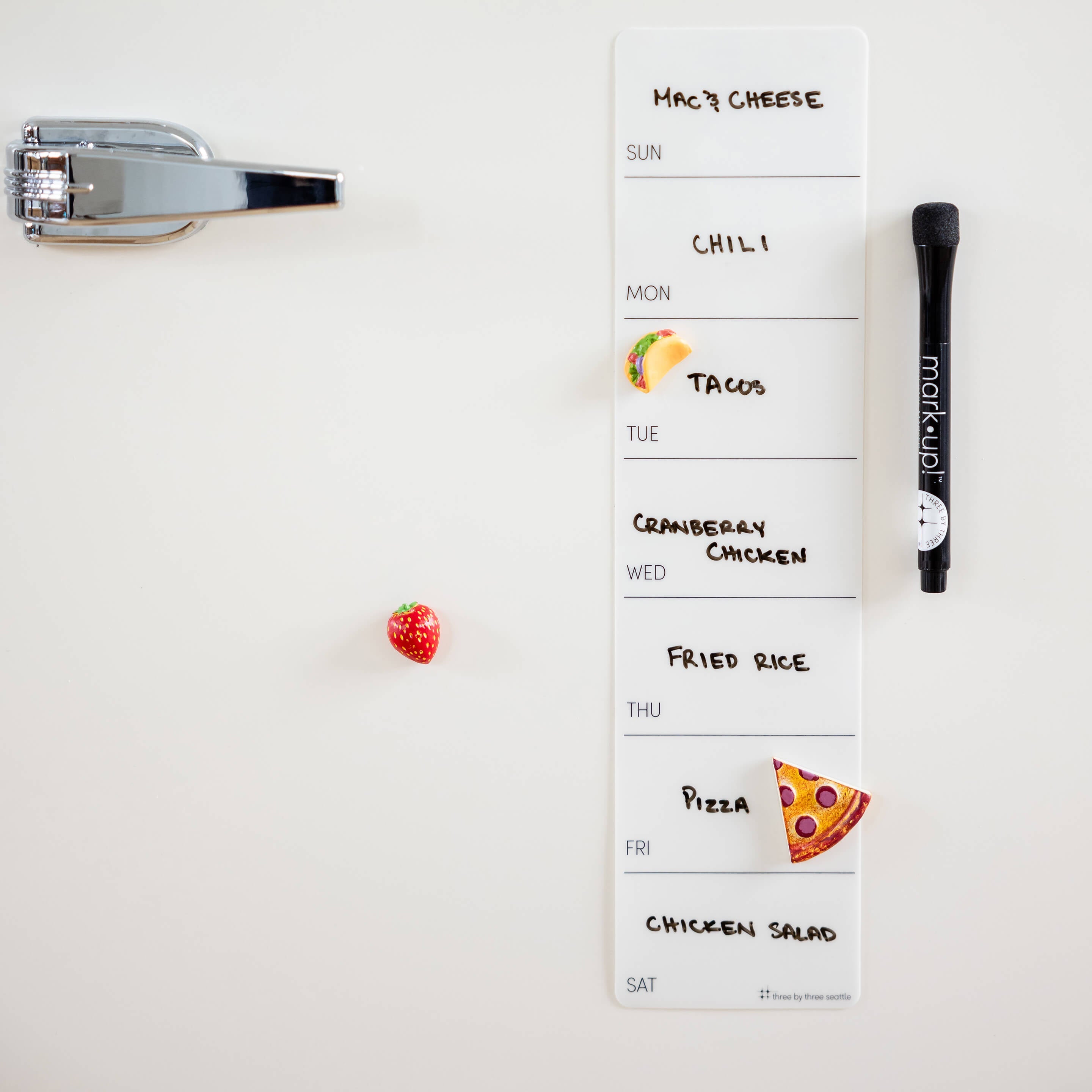
- Light notes, photos, and single sheets: standard fun magnets or fridge magnets are plenty and add a little personality.
- A few sheets at once: reach for mighties magnets, which are small but surprisingly powerful for their size.
- Thick stacks, calendars, tools, or anything heavy: use strong magnets rated for a higher pull so nothing slides.
Why a strong magnet is worth the upgrade
A weak magnet that drops your papers is genuinely more frustrating than having no magnet at all, because you trusted it to do a job and it failed. Strong magnets earn their keep in three ways. They hold a thicker load without creeping downward over the course of a day. They grip on textured, coated, or painted metal surfaces where weak magnets slide right off. And they last for years without losing their pull, so you are not replacing them every season.
For anything that matters, like a schedule you check every morning or a child's artwork you want to keep up, a strong magnet is the difference between a reliable display and a daily annoyance. You buy it once and stop fighting the slow slide to the floor.
Where magnet strength matters most
The fridge and a magnetic bulletin board are the obvious spots, but strong magnets quietly turn a surprising amount of your home into usable storage. The metal sides of a washer or dryer can hold dryer sheets and a lint brush. Metal cabinets and lockers become a place for notes, photos, and small tools. Even the side of a filing cabinet can hold a calendar.
Anywhere you have a vertical metal surface, the right magnet strength turns blank steel into functional space without a single hole or strip of adhesive. That is the real appeal: magnets let you use the surfaces you already have, and strength is what makes that storage trustworthy.
A few safety notes worth knowing
Strong magnets are safe on a fridge, board, or locker, but a couple of cautions are worth keeping in mind. Keep powerful magnets away from credit cards, hotel key cards, and the magnetic strips on anything similar, since a strong field can scramble them. Give a wide berth to hard drives and other sensitive electronics for the same reason.
Most important, keep small, strong magnets away from young children and pets. Swallowing more than one magnet is a serious medical emergency, so in homes with little ones, choose larger magnets that cannot be a hazard. With those simple precautions, magnets are one of the most useful and damage-free organizing tools you can own.
Frequently asked questions
What is the strongest type of magnet?
Neodymium, or rare-earth, magnets are the strongest available for their size. A small neodymium magnet can easily outperform a much larger ceramic one, which is why they are the go-to whenever you need a serious, reliable hold.
How do I make a magnet hold more weight?
Use a stronger magnet, or stack two magnets together to roughly double the grip. A clean, flat, untextured metal surface also holds noticeably better than a coated or bumpy one, so where you place the magnet matters too.
Will strong magnets damage my fridge or electronics?
They are perfectly safe on a fridge or magnetic board and will not harm the surface. Keep them away from credit cards, key cards, hard drives, and other sensitive electronics, since a powerful magnetic field can interfere with those.
Why do my magnets keep falling off?
Almost always one of two reasons: the magnet is too weak for the weight you are asking it to hold, or the surface is textured, coated, or painted, which reduces grip. Switch to a stronger magnet and make sure the metal is clean and flat.
Are magnets safe to use around kids?
Larger magnets are great for kids and a fun way to get them involved in organizing. But keep small, strong magnets away from young children and pets, because swallowing multiple magnets is dangerous. Choose bigger magnets for households with little ones.
Do magnets lose their strength over time?
Quality magnets like neodymium hold their strength for many years under normal use. Cheap ceramic and flexible magnets weaken faster, which is part of why upgrading to a stronger magnet pays off in the long run.