













Small Entryway? Organize Vertically and Reclaim Your Doorway
No mudroom, no closet, sometimes not even a wall you'd call an entryway — apartment and small-home doorways ask you to organize a family's worth of arrivals in the space of a doormat. Every square inch is contested before you've even hung a hook, and the temptation is to solve the problem with furniture: a bench here, a shoe cabinet there. The answer isn't more furniture. It's using the one surface small entryways always have: vertical space, which almost nobody is fighting you for.
The floor is a trap
In a small entryway, anything that sits on the floor shrinks the doorway, and in a tight space that shrinkage compounds fast — a bench that seemed reasonable in the store suddenly means squeezing sideways with grocery bags. A bench, a basket, a shoe rack — each one costs walking room you don't have, and each one becomes a place for things to pile on top of, next to, and around. Before adding a single object at ground level, ask what could live on the wall instead. In most small entryways, the answer is nearly everything: mail, keys, bags, even a slim shoe shelf can move up rather than out.
Walls do the heavy lifting
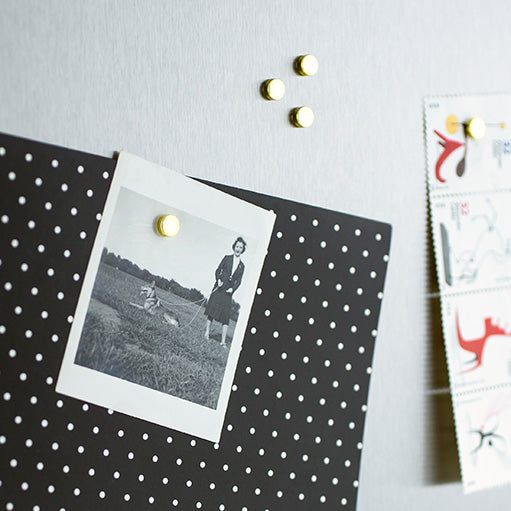
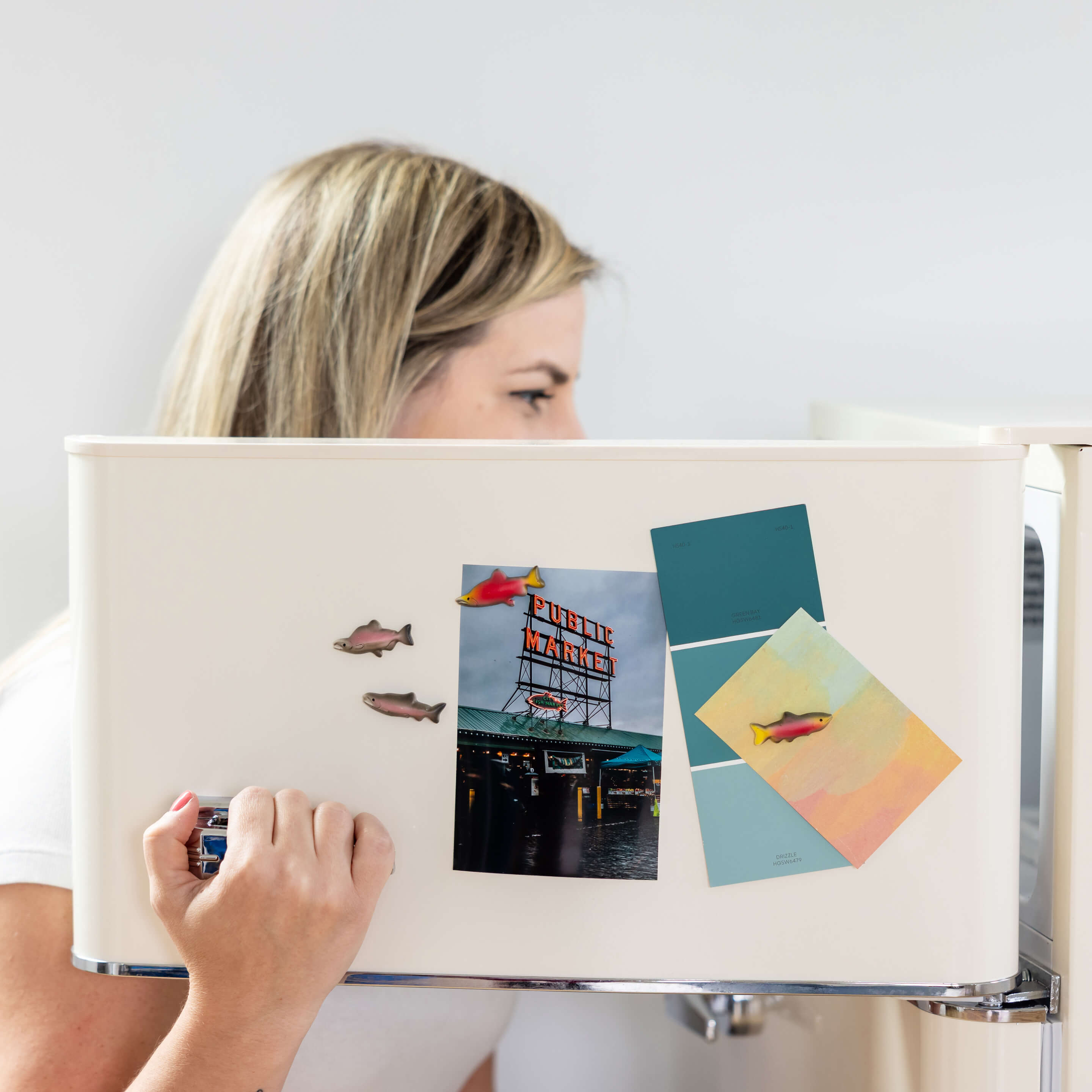
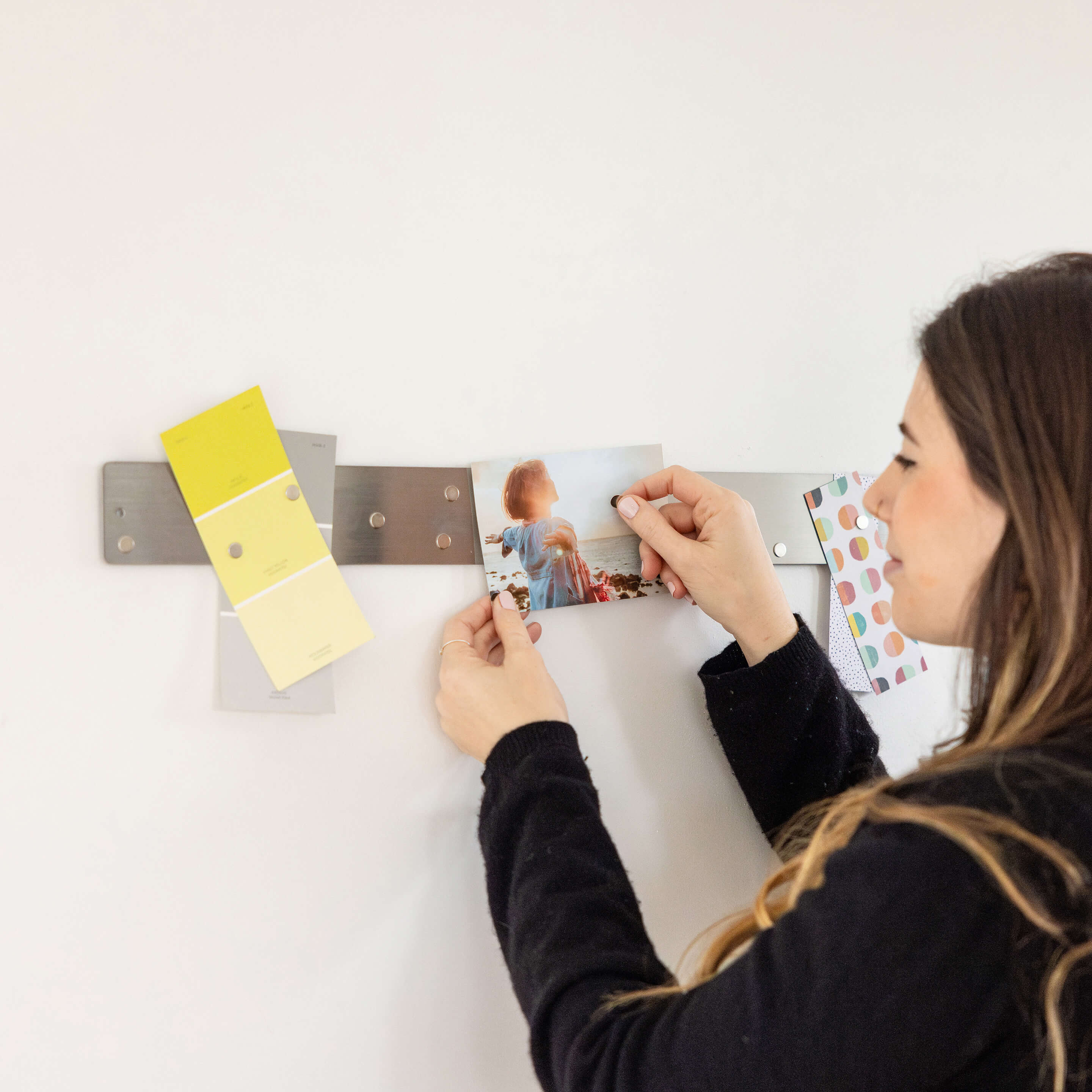
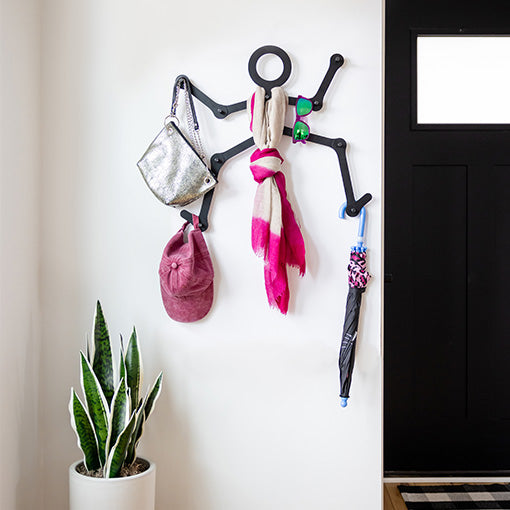
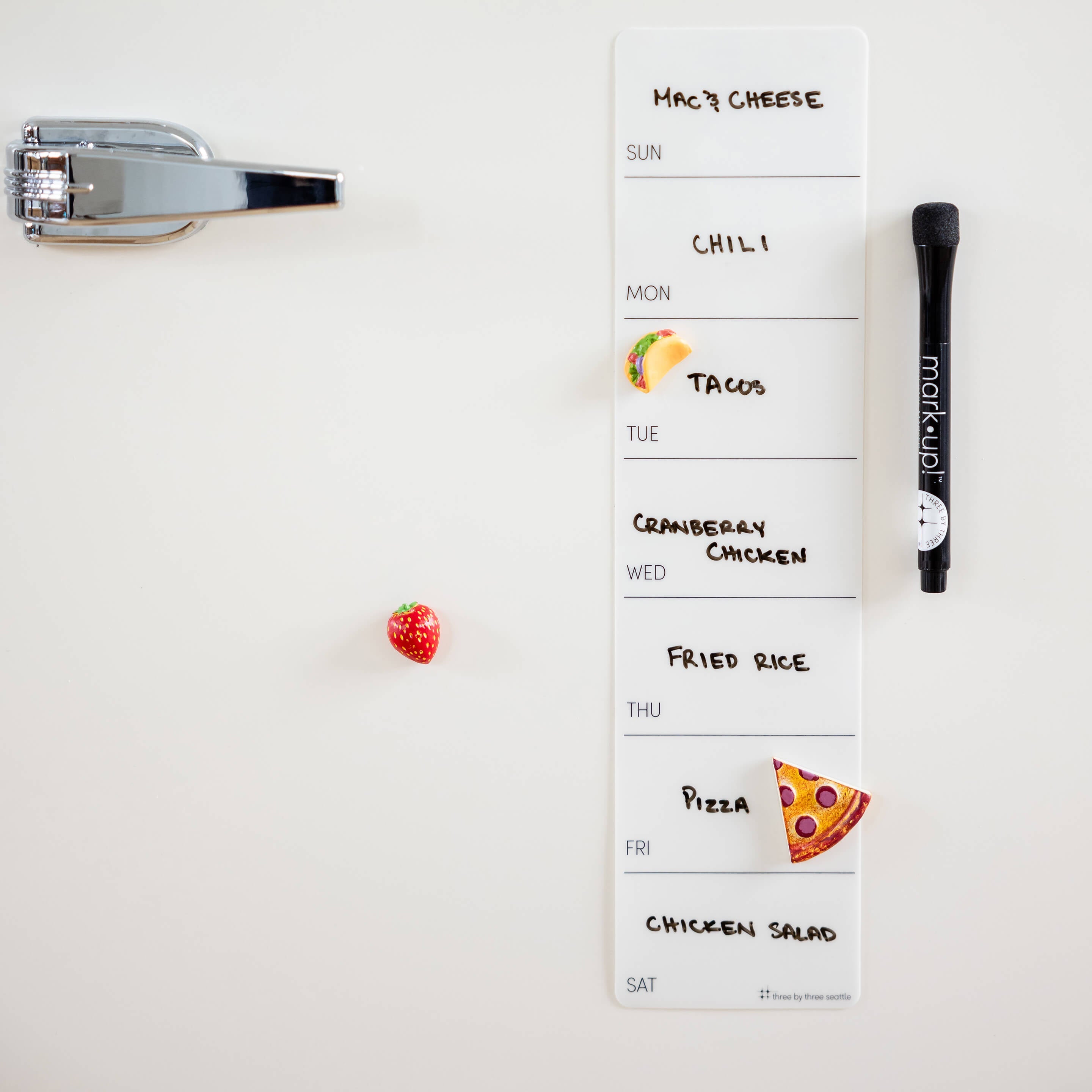
A magnetic bulletin board mounted beside the door replaces an entire table's worth of function — mail, reminders, the parking pass, the takeout menu — in zero square feet of floor space. Because magnetic boards skip pushpins, they don't damage your precious photos. Below it, a slim row of hooks handles bags and leashes at a height where they're actually grabbable on the way out the door. That's a full drop zone in the footprint of a picture frame, and it turns a blank stretch of wall — space that was doing nothing for you — into the hardest-working few square feet in the apartment.
Choose soft-sided storage
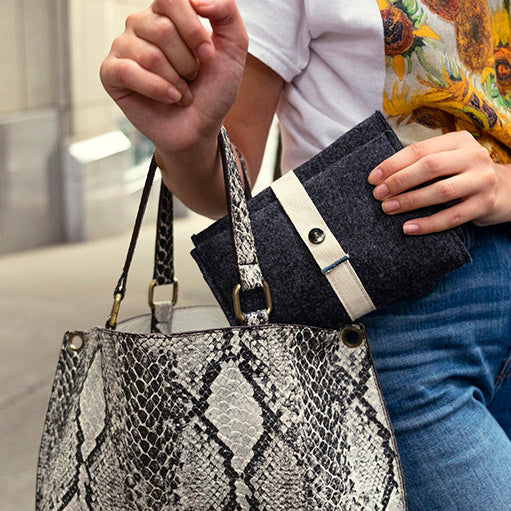
Rigid organizers punish small spaces — every hard corner is a shin waiting to find it in a doorway you pass through a dozen times a day. Felt bins are the small-entryway cheat: they hold their shape when full, give when bumped, and slide onto a shelf or under a radiator where a plastic bin never would fit. Use the smaller nesting sizes for keys and gloves; the larger ones swallow the seasonal stuff like hats and sunscreen. Because felt bins nest inside each other when empty, they also don't cost you storage space in the off-season the way rigid bins do.
Stack instead of spread
When floor space is truly nonexistent, think in layers instead of footprint. A slim shelf above the door — a spot most people never use — can hold a couple of stacking bins for out-of-season items, freeing the lower shelf for what you reach for daily. Vertical stacking is the small-space version of buying more square footage: you're not adding inches, you're just using the ones running up the wall that were sitting empty the whole time.
One in, one out
Small-space organization is less about containers than about limits. The entryway holds what the entryway holds: when the bin fills, something leaves. It sounds strict, but it's the opposite — a small system with hard edges is what keeps a small space feeling calm instead of crowded, and it forces the seasonal stuff (winter boots in July, beach towels in December) to actually migrate elsewhere instead of permanently colonizing your only bin.
The ninety-second test
Stand at your door with your coat on. Can you grab keys, bag, and the thing you need to remember in under ninety seconds without touching a pile? That's the whole game. A small entryway that passes beats a mudroom that doesn't, and vertical entryway organization is what makes a tiny footprint pass the test as reliably as a room three times its size.
Frequently asked questions
What's the single best upgrade for a tiny entryway?
Going vertical. A wall-mounted magnetic board plus a slim row of hooks replaces an entire table's worth of function without costing any floor space.
Are felt bins sturdy enough for daily use?
Yes — they hold their shape when full and give slightly when bumped, which makes them better suited to tight, high-traffic entryways than rigid bins.
How do I stop the entryway from filling back up?
Apply a one-in-one-out rule: when a bin is full, something has to leave before anything new comes in.
Where should shoes go if there's no room for a rack?
Consider skipping ground-level storage entirely and using a slim wall shelf or over-door hooks instead — anything that keeps the floor clear keeps the doorway walkable.