















Seasonal Storage That Doesn't Require an Expedition
Seasonal stuff — decorations, beach gear, winter kit — spends eleven months as cargo and one month as beloved. The test of good seasonal storage isn't how neatly it's packed; it's whether retrieving it feels like a quick errand or a full expedition into the attic with a flashlight. Get the system right once and every holiday, every first beach day, every first snow becomes about the occasion instead of about hunting through a wall of identical brown boxes first.
Store by retrieval date, not by object type
Pack the holidays as they'll actually be needed: the October bin, the December bins, the summer bins, each one a self-contained unit for that specific occasion. When the season arrives you pull one or two containers, not excavate a whole category of decorations to find the twelve pieces you actually want first. Label with the month, not just the contents — "DECEMBER — mantel + lights" answers both what and when in one glance, which matters when you're digging through deep storage in a hurry with a kid tugging at your sleeve.
The one-trip standard
Each seasonal bin should be one person, one trip, full stop. Giant tubs that require two people and a clear staircase guarantee the decorations go up late and come down never, because nobody wants to coordinate a two-person lift just to find the stockings. More, smaller, lighter felt bins win over giant tubs almost every time — soft-sided felt bins for the unbreakable stuff (linens, stockings, beach towels, pool noodles) and rigid containers reserved only for where fragility genuinely demands it. A felt bin also folds flat when it's empty for eleven months, which a rigid tub never does, so the off-season storage of your storage takes up less room too.
Protect the fragile stuff on purpose
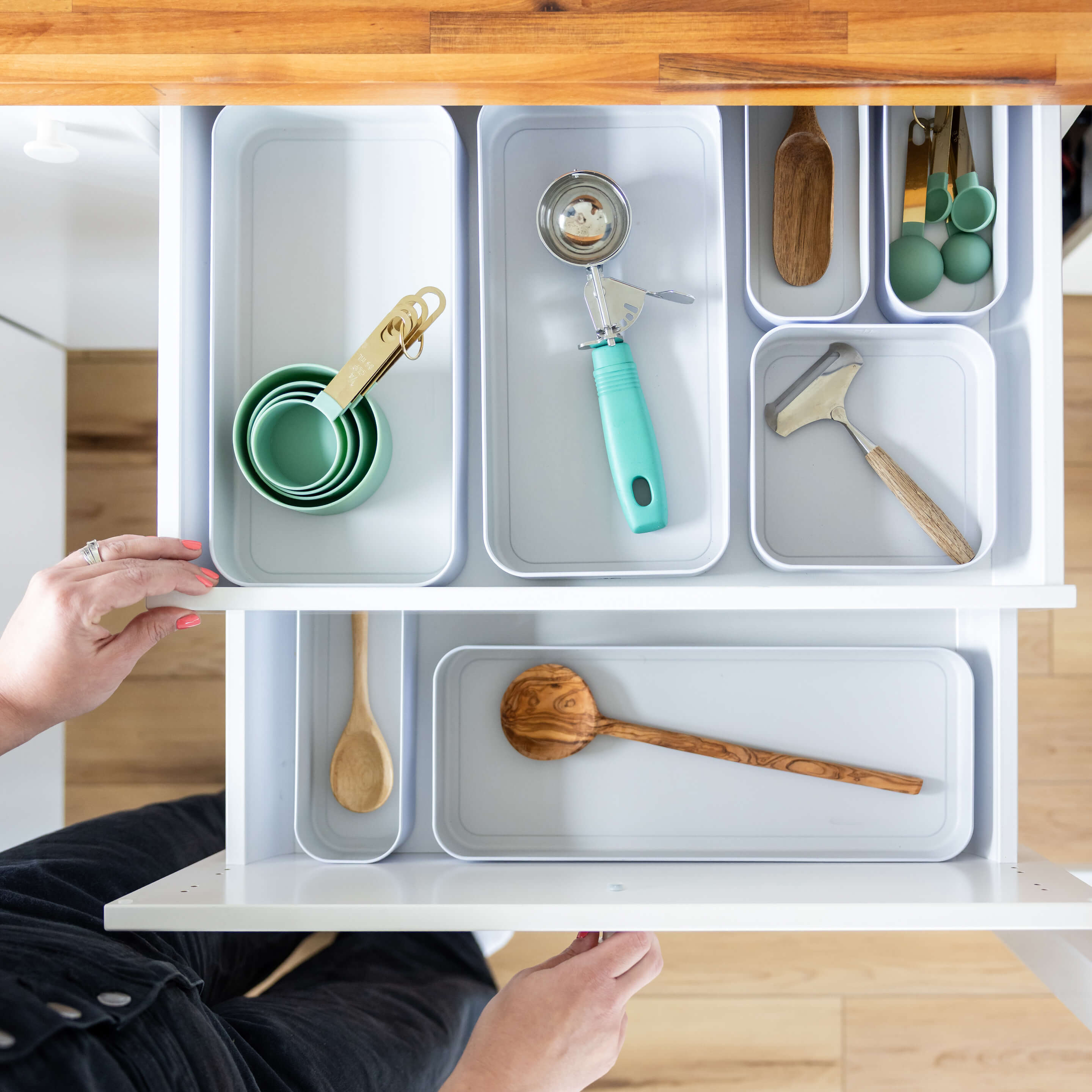
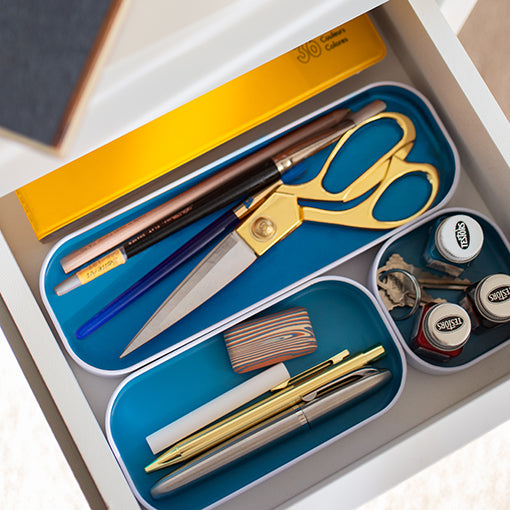
Ornaments, string lights, and anything glass need more than just a bin — they need dividers. A drawer organizer or a stacking organizer with individual compartments keeps ornaments from clinking against each other in transit, which is where most holiday breakage actually happens, not on the shelf but during the carry from attic to living room. Wrap string lights around a spool or a piece of cardboard rather than balling them into a bin loose; untangling lights is the single most avoidable seasonal chore in the whole calendar, and thirty seconds of winding in January saves twenty minutes of untangling in November.
Map the deep storage
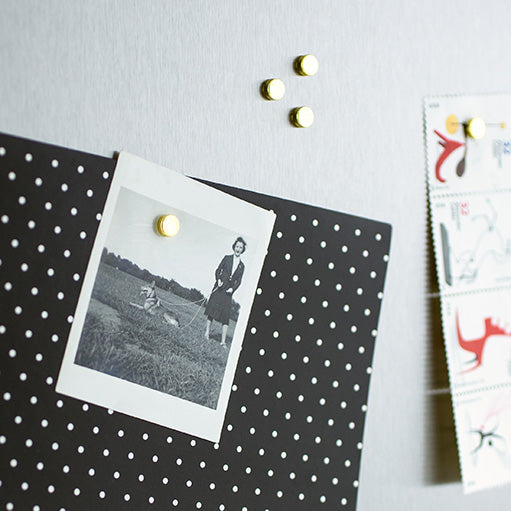
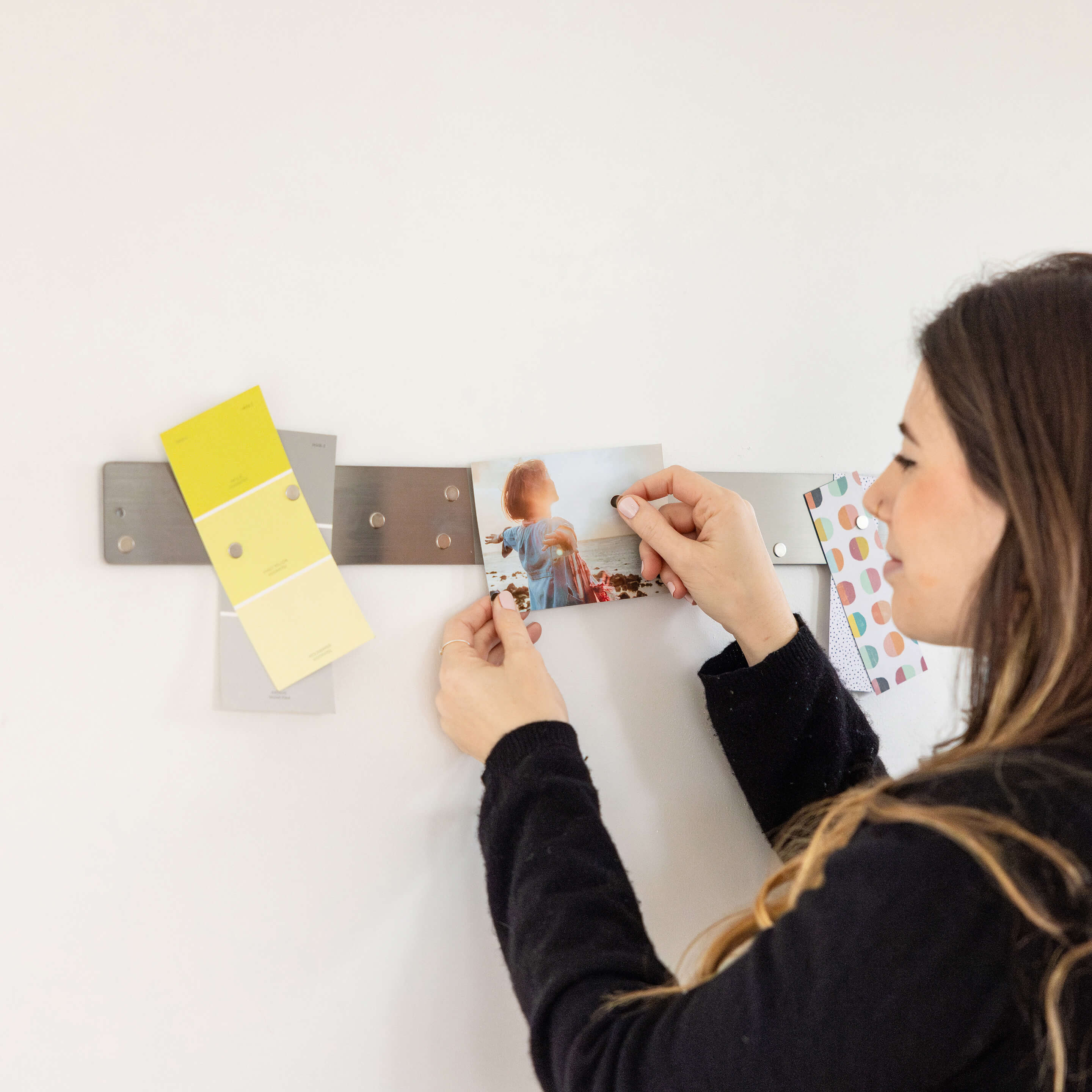
High garage shelves and attic corners swallow things whole. A simple index — a note on your phone or a card pinned to the utility closet's magnetic board — listing which bin lives where turns "I know it's up there somewhere" into a two-minute retrieval instead of a Saturday afternoon lost to searching. Thirty seconds of writing per bin, hours of hunting saved per year, and it's the kind of system that pays for itself the very first time someone other than you needs to find the Halloween bin without a phone call for directions.
Let the seasons overlap on purpose
There's always a two-week window where fall decorations are still up and winter gear needs to come down, or beach towels are still drying while the first frost hits. Keep a small transition felt bin near the front of deep storage — not buried behind everything else — for whatever's currently mid-handoff, so the changeover doesn't require moving the entire seasonal system just to swap one holiday for the next. This small buffer zone is what keeps the one-trip standard intact even during the messiest weeks of the calendar.
Cull at pack-down, not set-up
The moment you're boxing decorations is the moment you know which ones didn't make it out of the bin this year — the ornament nobody hung, the beach toy nobody touched. That's the honest window; by next set-up, memory has already gone soft on what actually got used. Two seasons untouched means it ships out — donation, not storage. Seasonal storage that only grows eventually becomes a second garage; the pack-down cull is the pressure valve that keeps the whole system sustainable instead of just accumulating year over year.
Frequently asked questions
Should I store seasonal items by type or by when I'll need them?
By retrieval date — pack the October bin, the December bins, the summer bins, so the right season's stuff comes out as one grab.
How big should seasonal storage containers be?
Small enough for one person to carry in one trip — giant two-person tubs are why decorations go up late and come down never.
When's the best time to declutter seasonal items?
At pack-down, not set-up — that's the moment you already know which items didn't get used this year.
What should I use for unbreakable seasonal items like linens or towels?
Soft-sided felt bins work well — save rigid containers for genuinely fragile items where breakage is a real risk.
How do I keep track of what's stored in deep garage or attic shelves?
Keep a simple index — a phone note or a card pinned to the magnetic board — listing which bin lives where, so retrieval takes minutes instead of a search.