















Paper Still Exists: A Home Office Filing System for People Who Hate Filing
The paperless office remains a rumor. Bills, tax documents, warranties, and school forms keep arriving no matter how many things move online, and "I'll deal with it later" is how flat surfaces disappear under a slow, creeping avalanche of envelopes. You don't need a filing cabinet mindset or a labeled folder for every possible category — you need three simple destinations and a habit that takes seconds, applied consistently instead of occasionally.
Every paper gets one of three fates
Act: needs something from you — a signature, a payment, a reply, a phone call you've been putting off. Keep: needs storing — taxes, warranties, records, the paperwork for the car you'll need again in April. Gone: recycling, immediately, no second look and no "just in case" pile. The magic is that sorting takes three seconds per page once the categories exist in your head and on your wall. It's the missing categories, not laziness, that create piles — most people don't have a system, so every piece of paper becomes its own tiny decision, and tiny decisions deferred a hundred times over become a stack.
Make "act" visible, not stacked
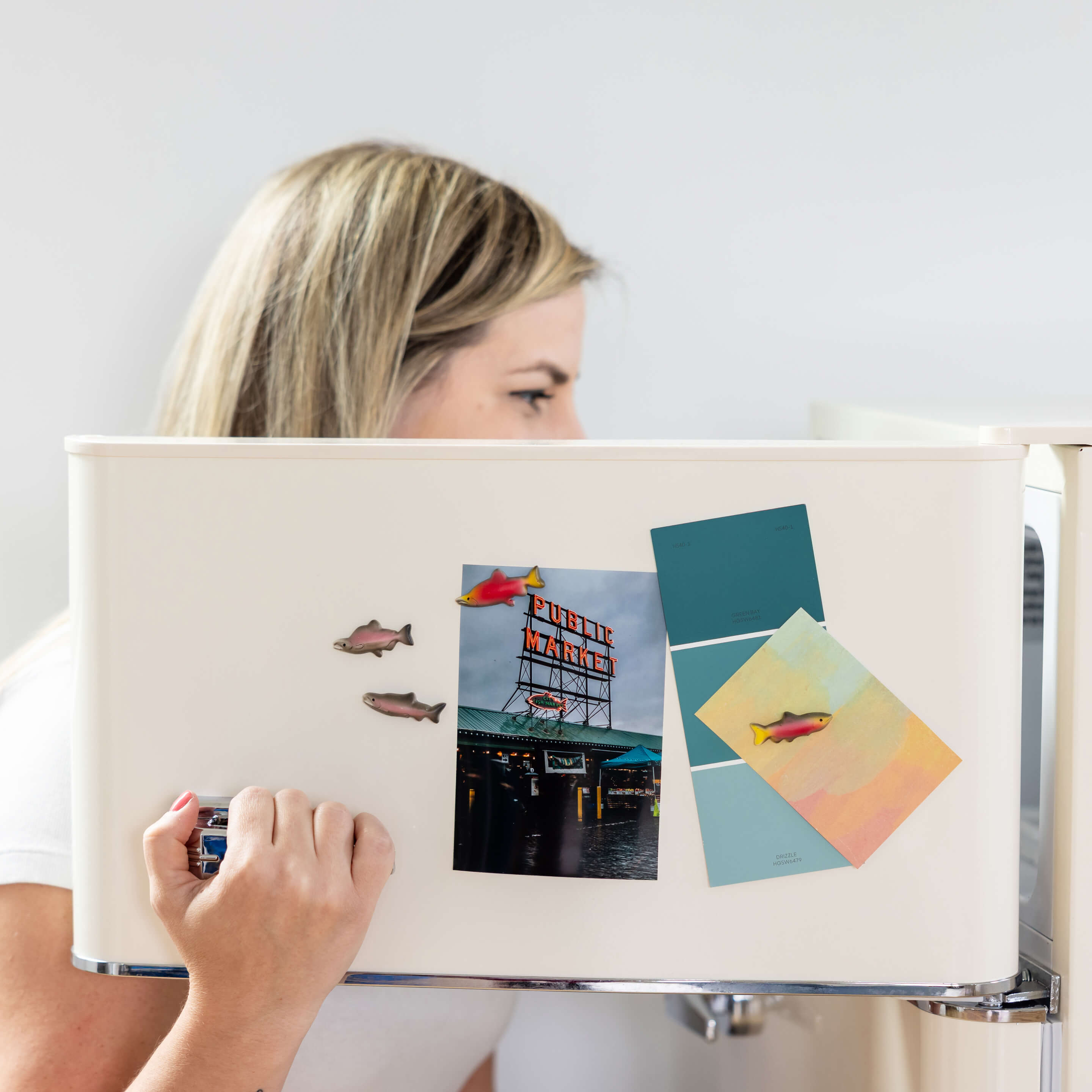
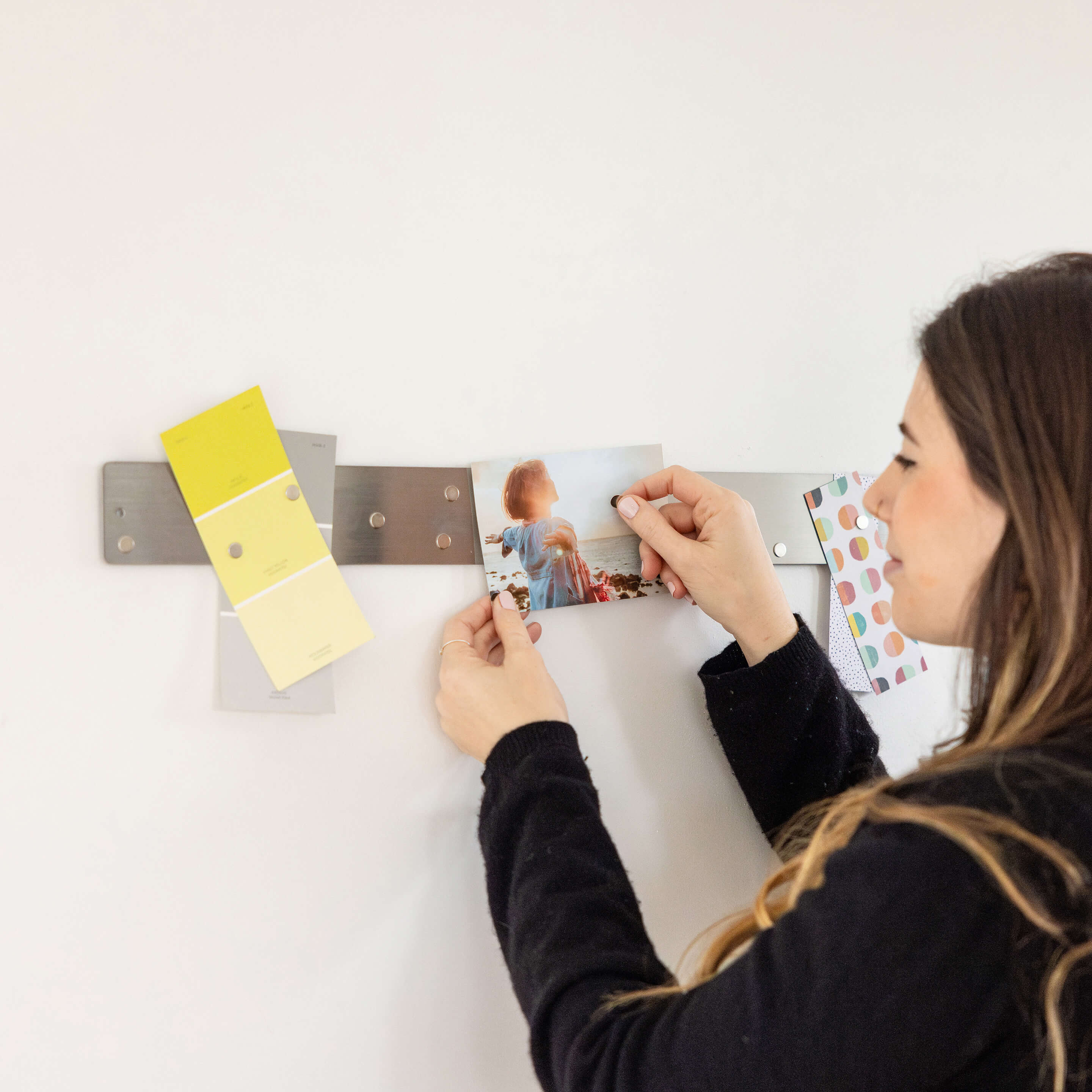
Action papers die in trays because trays hide their bottom layers — the form from three weeks ago is still down there, just invisible. Pin them instead: a magnetic bulletin board above the desk keeps every pending item in sight without pushpin holes, so nothing gets buried under whatever landed on top of it that morning. When it's handled, it comes down, which gives you an actual visual signal of progress instead of a stack that never seems to shrink. The board doubles as a to-do list you can't close the tab on, which for paper-based tasks is a genuine advantage over a digital list you can just scroll past.
Make "keep" effortless
Deep storage doesn't need to be pretty — it needs to be one motion, because a filing system that requires ten steps to file one paper gets abandoned within a month. A felt bin per category (taxes, home, medical, kids) on a shelf beats hanging folders you'll never maintain or a filing cabinet drawer that's technically organized but takes real effort to open and use correctly. Drop the paper in the right bin and move on; the once-a-year sort inside each bin takes twenty minutes when tax season demands it, which is a small price for never having to hunt for a warranty at 11pm.
Set up a simple digital backstop
Not everything needs to live in paper form. Before a document goes into the Keep bin, consider snapping a photo of anything you might need on short notice — insurance cards, prescriptions, the model number off an appliance — so you have a searchable backup even while the original sits safely in its bin. This isn't about going paperless; it's about not being stuck if you need information while you're out of the house and the felt bin is at home on a shelf.
The weekly ten-minute sweep
Once a week, process the board: pay, sign, reply, unpin. A board that only grows is a guilt collage, not a system, and it stops working the moment it stops moving. Ten minutes on Friday keeps it a working system — and keeps Sunday free of the "I should deal with those papers" feeling that otherwise follows you around all weekend. Pair the sweep with a quick glance at the felt bins; if one's getting full, that's your cue the annual sort is due early this year.
Frequently asked questions
What are the three destinations for incoming paper?
Act (needs a signature, payment, or reply), Keep (needs storing, like taxes or warranties), and Gone (straight to recycling).
Why pin action items instead of stacking them in a tray?
Trays hide their bottom layers, so papers get forgotten. A pinned item on a magnetic bulletin board stays visible until it's handled, then comes down.
How often should I process the board?
Once a week is enough — a ten-minute Friday sweep to pay, sign, reply, and unpin keeps it a working system instead of a guilt collage.
How should I organize paper I need to keep long-term?
One felt bin per category — taxes, home, medical, kids — on a shelf. Drop it in the right bin and do the detailed sort once a year, usually at tax time.
What's the biggest reason paper piles form in the first place?
Missing categories, not laziness. Once every paper has an obvious destination, sorting takes about three seconds per page.