














Pantry Organization: Bins and Labels That Actually Work
A pantry has a way of going from helpful to chaotic without anyone noticing it happen. Boxes get shoved to the back, half-used bags lean against each other, and one day you buy a third jar of something you already had two of, because you simply could not see it. The pantry is not too small. It is just missing a system that keeps what you own visible and findable.
The good news is that an organized pantry does not require a renovation or a wall of matching jars. It requires two things: containing your food in bins so categories stay together, and labeling those bins so the system survives a busy week. Here is a simple, durable way to organize a pantry that actually stays organized.
Start by grouping like with like
Before you buy a single organizer, pull everything out and sort it into categories: baking, snacks, canned goods, pasta and grains, breakfast, and so on. This step feels tedious, but it does two important jobs at once. It shows you exactly what you have, and it surfaces the duplicates and the long-expired items quietly taking up space in the back.
Most people free up an entire shelf just from this first pass, before any organizing happens. Once everything is grouped, you can see the true shape of your pantry and decide how much space each category actually needs.
Contain each category in a bin
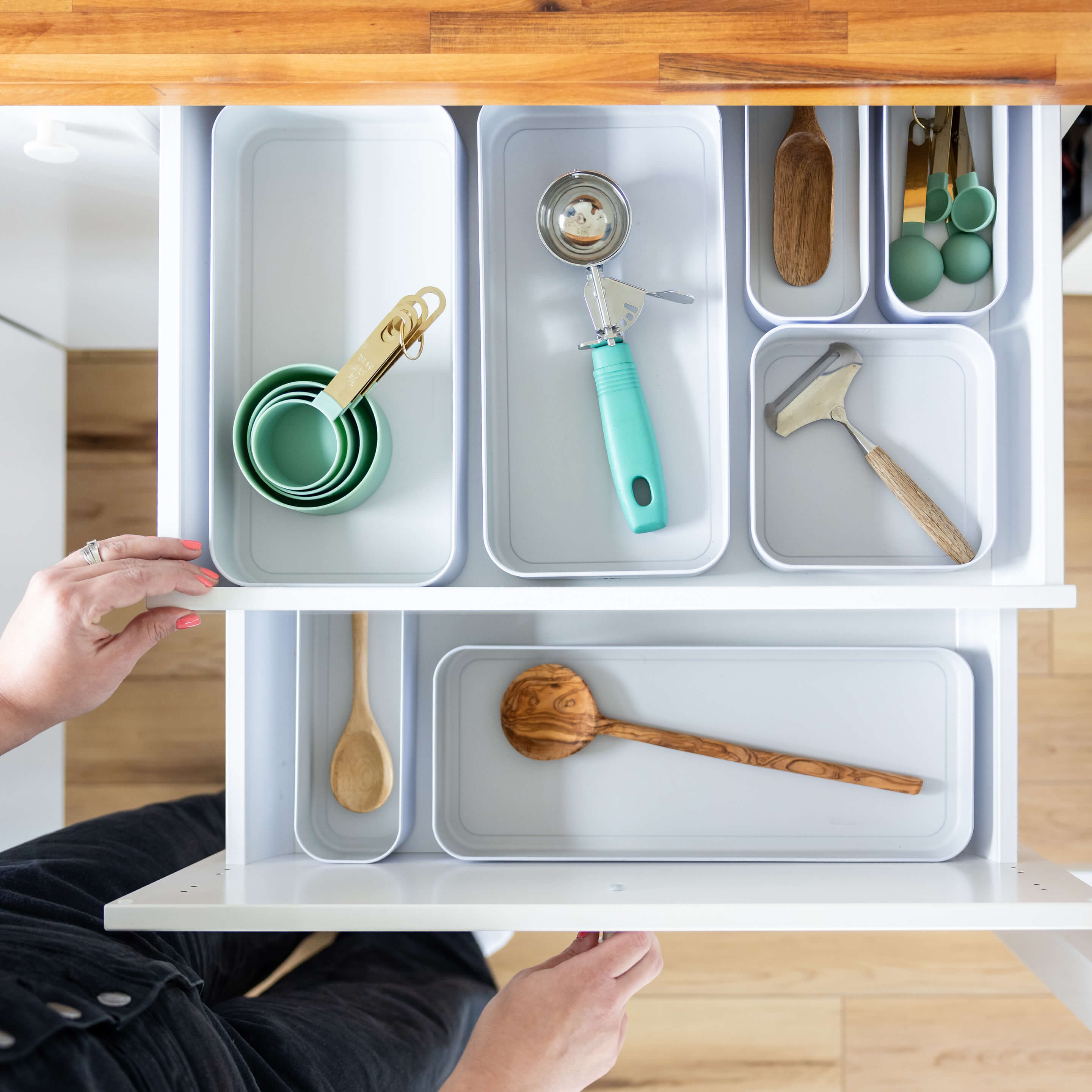
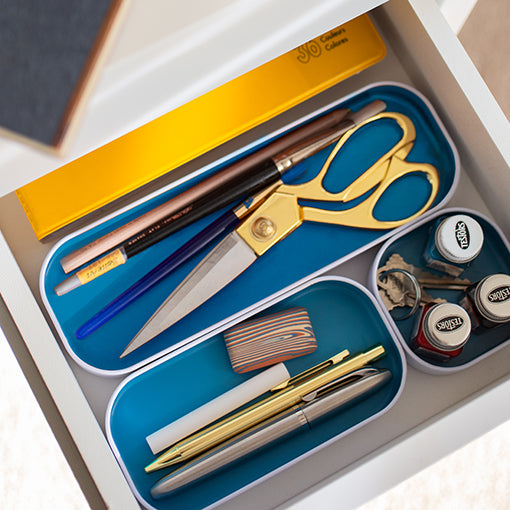
Loose packages are the enemy of a tidy pantry. They waste space, hide what you own, and topple the moment you reach past them. Giving each category a home in a stacking bin or metal storage binchanges everything: instead of digging, you pull out the whole snack bin or baking bin, find what you need, and slide it back.
Bins that stack do something else valuable. They turn a single tall shelf into two usable levels, reclaiming the wasted vertical air that most pantries are full of. That is often where the hidden capacity of a pantry actually lives.
Label everything clearly
Labels are what keep the system alive after the first enthusiastic week. When every bin is labeled, anyone in the household can put the groceries away in the right place, not just the person who set it up. You can also see at a glance when a category is running low, which cuts down on both duplicate buying and running out unexpectedly.
Keep labels simple and broad, like Snacks or Baking, rather than hyper-specific. Broad categories give you flexibility and survive real life, where the exact contents shift week to week but the general type stays the same.
Put zones and eye level to work
Where things sit matters as much as what holds them. Store the items you reach for daily at eye level, where they are easiest to grab, and push backups, bulk items, and rarely used appliances to the highest and lowest shelves. Heavy items belong low, both for safety and ease.
Creating a loose zone for each meal or activity, a breakfast zone, a baking zone, a snack zone, means you and your family build muscle memory for where things go. That muscle memory is what makes staying organized effortless instead of a constant effort.
Keep it up with a quick monthly reset
No system stays perfect on its own, but a good one needs only minutes to maintain. Once a month, spend a few minutes pulling anything expired, wiping a shelf, and returning stray items to their bins. Because each category already has a defined spot, this is a quick tidy, not another full reorganization.
That small habit is the difference between a pantry that stays functional for years and one that slides back into chaos by spring. Browse storage and organization options to build a set of bins that fit your shelves.
Frequently asked questions
What are the best bins for a pantry?
Look for bins that stack to use vertical space and are easy to pull out and see into. Sturdy metal or stacking bins work well for grouping categories like snacks, baking, and canned goods, and stackable styles reclaim wasted shelf height.
How do I keep my pantry organized long term?
Group like items, contain each category in a labeled bin, store daily items at eye level, and do a quick monthly reset. Labels are what keep everyone putting things back in the right place after the initial setup.
Should I take food out of the original packaging?
You do not have to. Grouping packaged items into labeled bins is faster and works just as well as decanting everything into matching jars, with far less effort and upkeep. Decant only if you enjoy it.
How do I organize a small pantry?
Lean hard on vertical space with stackable bins, store backups up high and heavy items low, and keep daily-use food at eye level. Containing categories in bins is what makes a small pantry feel bigger.
How often should I clean out my pantry?
A quick monthly reset to pull expired items and return strays keeps it in shape, with a deeper clean once or twice a year. Because each category has a home, monthly upkeep only takes a few minutes.