













One Room, Five Jobs: Zoning a Studio (or Bedroom) That Does Everything
When one room is your bedroom, office, gym, dining room, and living room, the mess isn't really mess — it's five rooms' worth of stuff with no borders between any of them, all fighting for the same few square feet. Zoning is how small-space people stay sane: the room keeps its jobs, but each job gets a territory and a container, so the eye and the brain can tell where one activity ends and the next begins. Studio organization done well is basically an exercise in drawing invisible walls with furniture and bins instead of drywall.
Picking your zones honestly
The first mistake in zoning a studio is planning for the life you wish you had instead of the one you actually live. A dedicated "reading corner" sounds lovely, but if you read in bed and never in the chair, that corner becomes a dumping ground within a month. Walk through an honest week and note where things actually happen — where you eat, where you work, where gym equipment gets used versus where it just gets stepped over — and zone around that reality. Most studios land on four or five real zones: sleep, work, exercise, dining, and some version of relaxing, and trying to formalize more than that usually collapses back into general clutter.
Zones are containers, not furniture
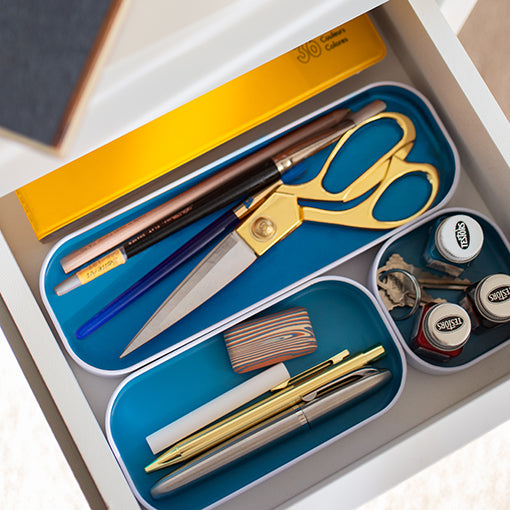
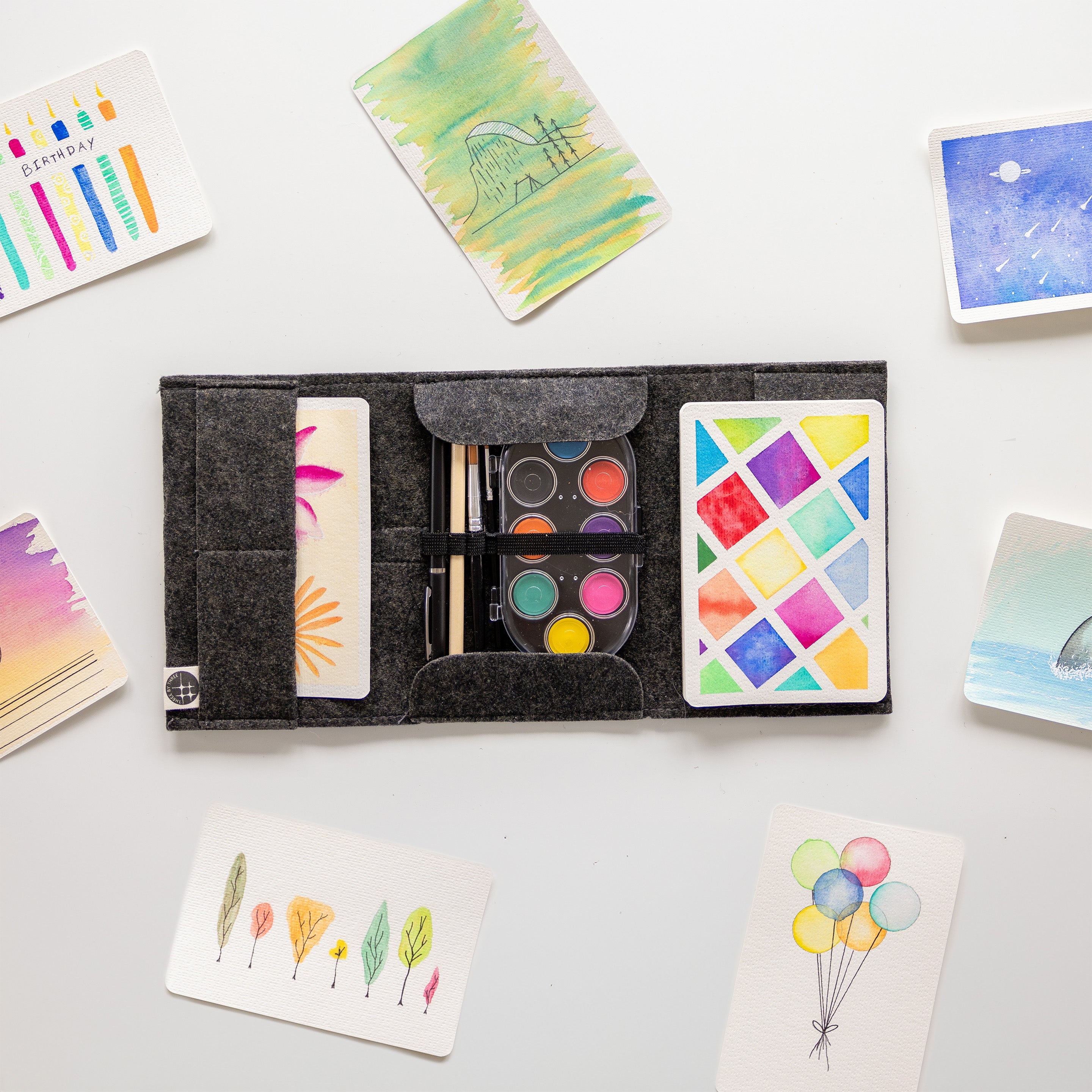
You can't wall off a studio, but you can decide that everything work-related lives in this felt bin, everything gym lives in that one, and the bins live in different corners of the room. The zone travels with the container: work "opens" when the bin hits the table and "closes" when it's shelved, which means the same six-foot table can be an office at 10am and a dinner table at 7pm without any activity's stuff bleeding into the next. That open-close ritual, more than any furniture arrangement, is what keeps one room from feeling like five overlapping ones.
Furniture that pulls double duty
Studio living rewards furniture that can do two jobs, because there's rarely room for furniture that only does one. A storage ottoman is seating and a home for the gym zone's mat and bands. A daybed is a sofa by day and a bed by night. A rolling cart with felt bins on it is a nightstand, a filing cabinet, and craft storage depending on which wall it's parked against that week. The goal isn't minimalism for its own sake — it's making sure every object earns its square footage by handling more than one of the room's five jobs.
The visual noise budget
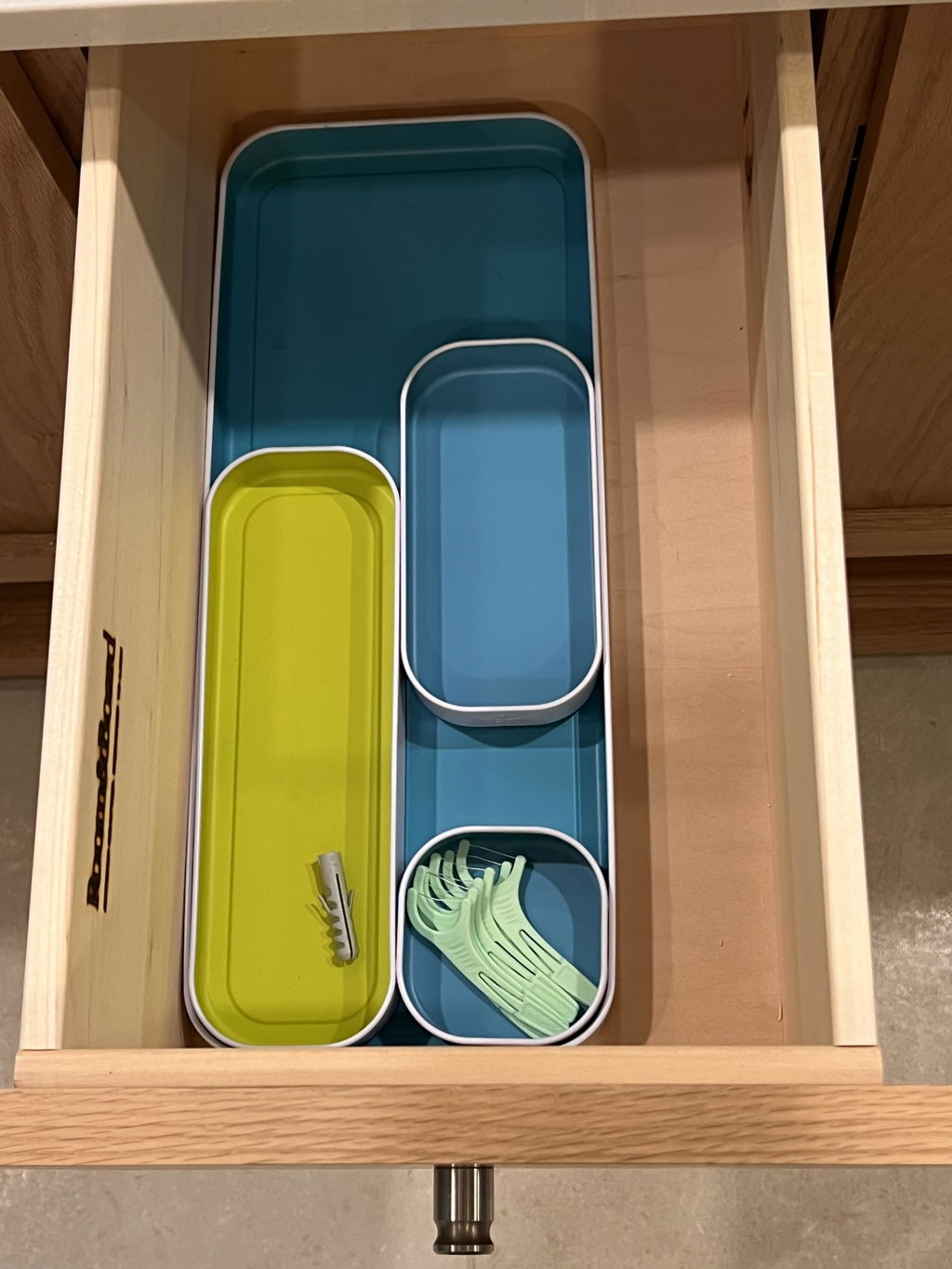
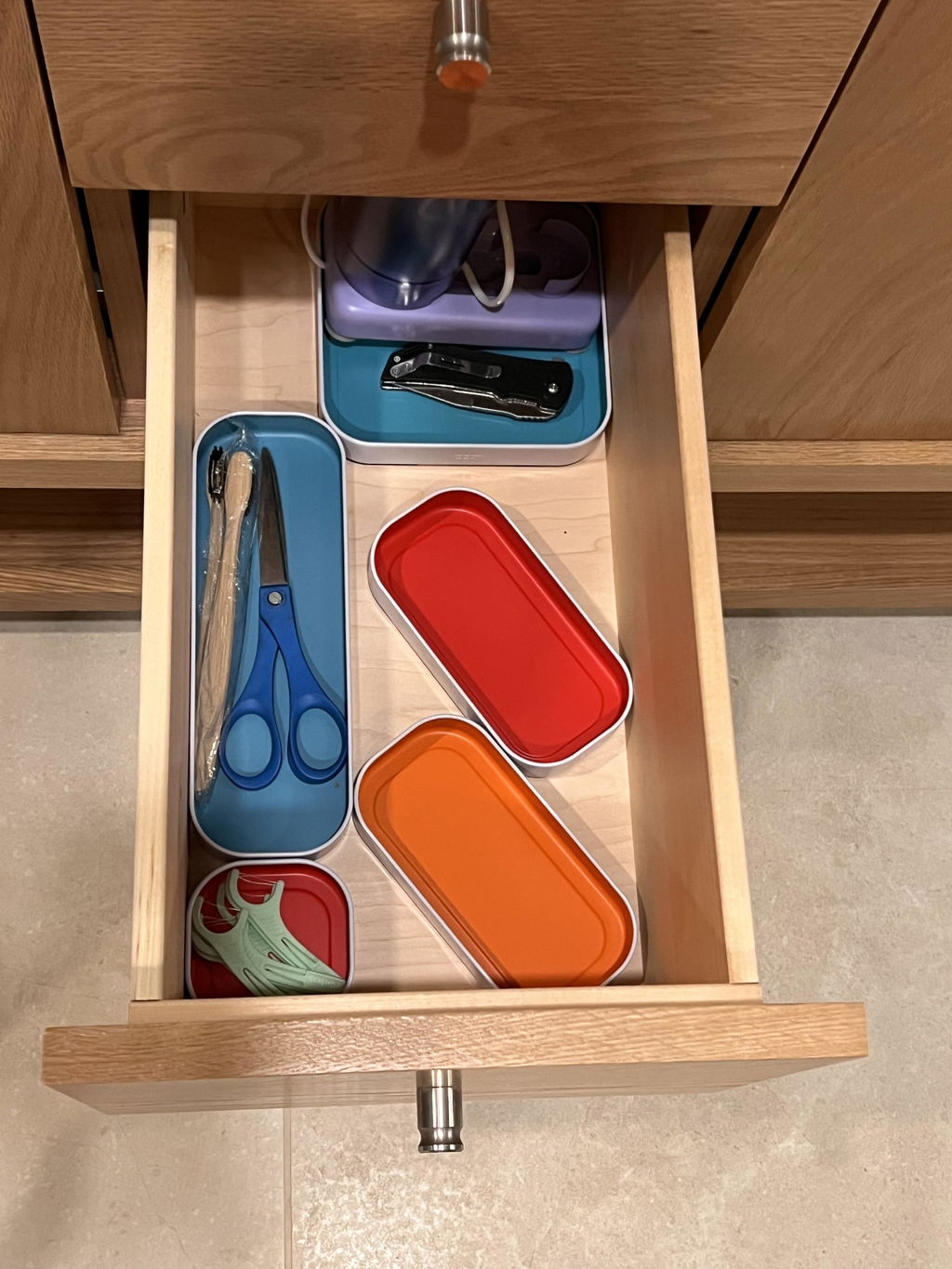
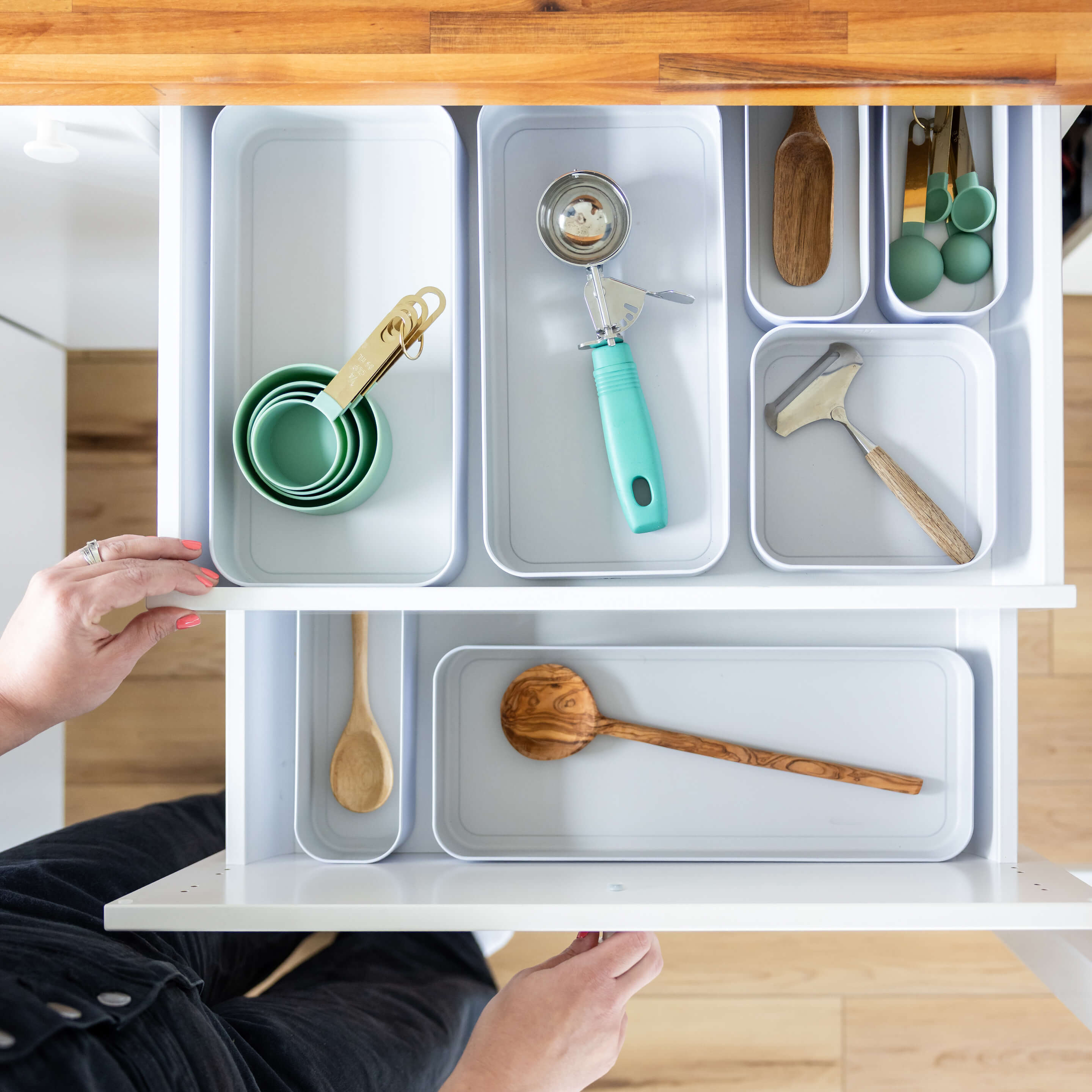
Small spaces amplify clutter — ten visible objects reads as chaos in a way it never would in a house with rooms to spread them across. Closed-top and soft-sided storage lowers the noise: a shelf of matching felt bins reads as one calm object instead of forty small ones scattered in view. Your eyes rest; the room feels bigger without gaining a single foot of actual square footage. This is arguably the single highest-leverage move in small space living — swapping visible mixed clutter for a few uniform containers changes how a room feels more than almost any other change you could make.
Vertical is the fifth wall
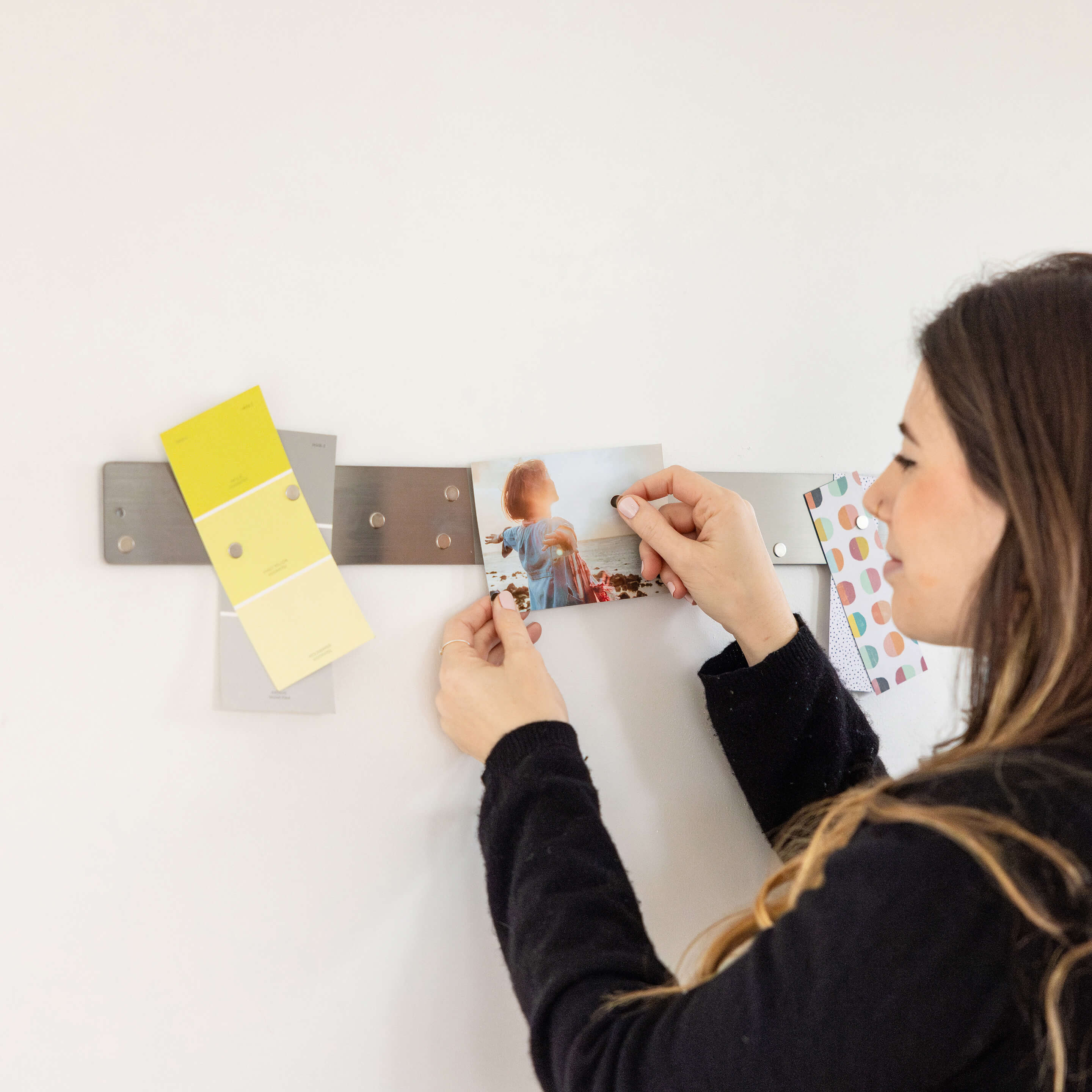
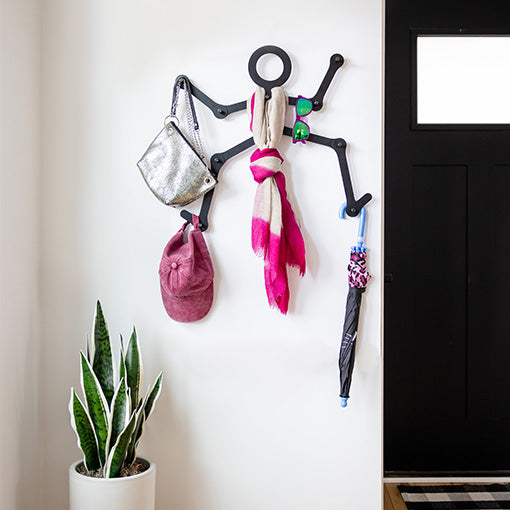
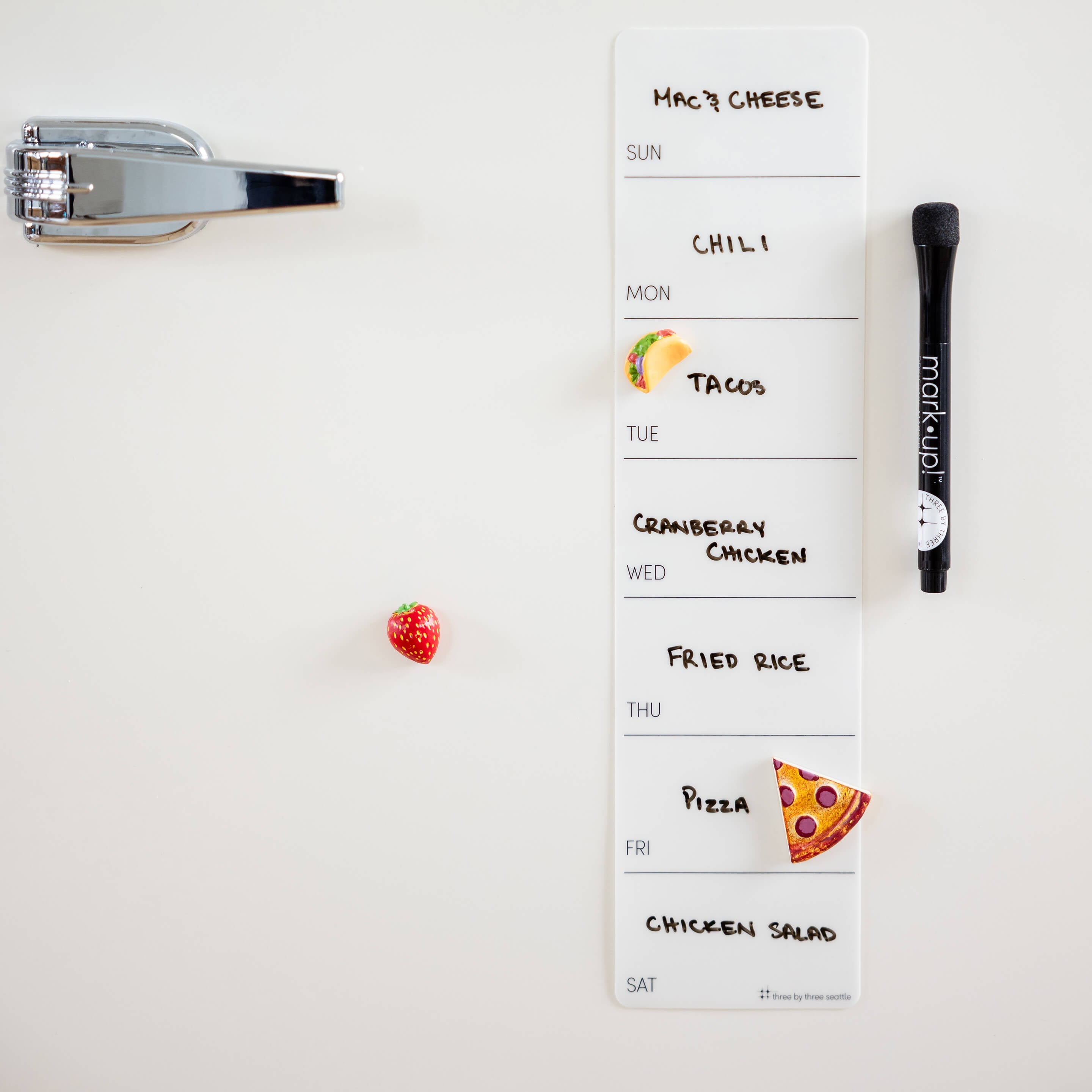
Shelves to the ceiling, a magnetic board running command-center duty near the door, hooks behind every door for coats, bags, and gym gear that would otherwise land on the floor. In a studio, the wall isn't decoration space first — it's infrastructure, doing real storage work that floor space can't spare. High shelves take the rarely-used items in labeled bins, out of daily reach but still accessible on a step stool; eye level stays reserved for what you actually touch every day.
Reset nightly, briefly
Five zones generate drift daily, because every activity leaves a small trail even when it's contained. The two-minute nightly reset — bins back to corners, surfaces cleared, the day's dishes actually in the sink — is what makes tomorrow's five jobs startable instead of starting the day already behind. Small spaces don't forgive skipped resets the way a bigger house does; they compound them fast, because there's nowhere for the overflow to hide while you catch up later.
Frequently asked questions
How do you "zone" a studio apartment without walls?
Assign each activity its own felt bin, and let the zone travel with the container — work "opens" when the bin hits the table and "closes" when it's shelved.
Why does visual clutter feel worse in small spaces?
Ten visible objects reads as chaos in a small room in a way it never would in a house, so closed-top, matching storage lowers that noise significantly.
How do I keep a studio from drifting back into mess?
A brief nightly reset — bins back to their corners, surfaces cleared — is what makes the next day's activities startable again.
What role does the wall play in a one-room space?
It becomes infrastructure, not decoration — a magnetic board for command-center duty and shelves to the ceiling for rarely-used items in labeled bins.
How many zones should a studio realistically have?
Most studios manage five well: sleep, work, exercise, dining, and living — any more and the bins-per-zone system starts to get hard to maintain.