














How to Organize Under the Kitchen Sink
The cabinet under the kitchen sink might be the single most wasted square footage in the house. Pipes run through the middle, the space is dark and a little damp, and bottles end up tipped over in a sticky jumble that you avoid looking at. It is awkward by design, which is exactly why most people give up on it and let it become a black hole of half-used cleaners.
But with a few smart moves that work around the plumbing rather than against it, that cabinet can become genuinely useful, organized storage. Here is how to organize under the kitchen sink so you can actually find what you need and stop dreading the door.
Empty it and toss the dried-up extras
Start the way every good organizing project starts: pull everything out. Under-sink cabinets are notorious for accumulating duplicates, three half-empty bottles of the same spray, crusty old sponges, a brush you forgot you owned, and products you bought once and never used again.
Be honest as you sort, and clear out anything dried up, expired, or simply unused. This single step frees up more room than any organizer could, and it lets you see what you are actually working with before you add containers.
Work around the pipes with bins
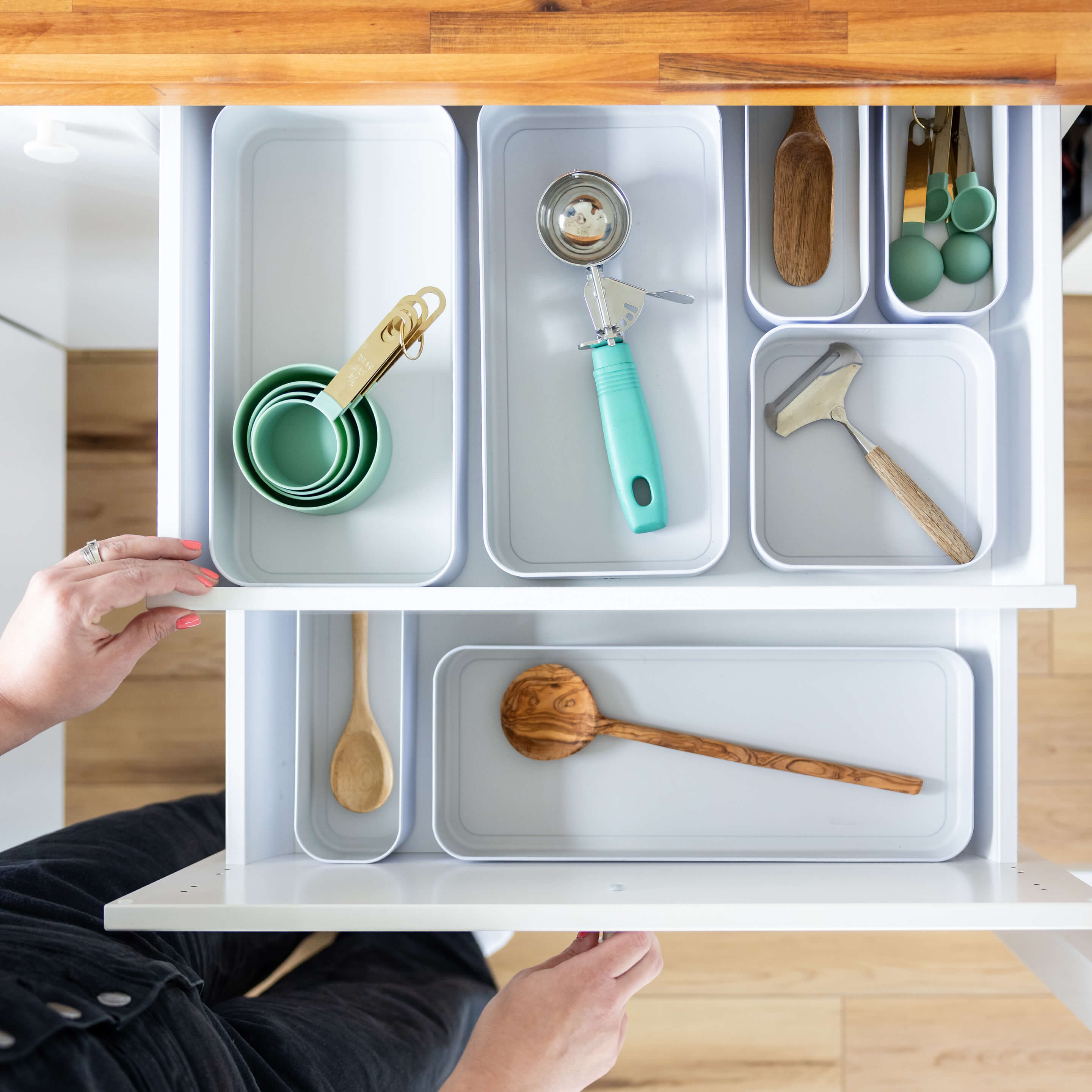
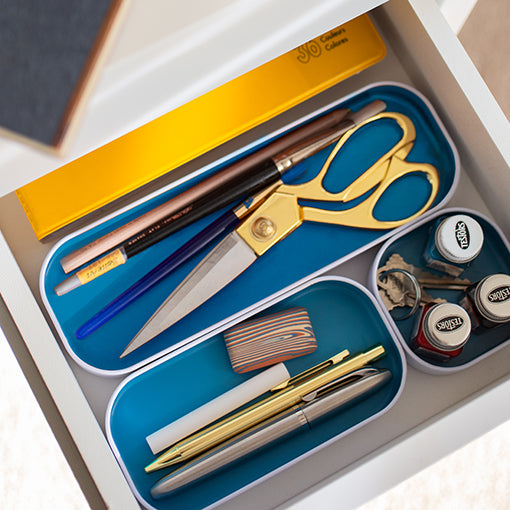
The pipes are what make fixed shelves impractical here, so freestanding, flexible storage bins are the right tool. Group your supplies by purpose, cleaners in one bin, dish supplies in another, sponges and brushes in a third, so you can slide a whole bin out from around the plumbing instead of reaching blindly past it.
Choose bins that can handle a little moisture, since this is a spot where the occasional drip happens. Pull-out bins also mean you never lose a bottle to the dark corner behind the pipe again, because the whole group comes out together.
Use the cabinet door and vertical space
The inside of the cabinet door is prime real estate that almost everyone ignores. Adding a wall organizer or a caddy there gives gloves, sponges, small bottles, and brushes a vertical home, freeing up the cabinet floor for bigger items.
You can also build upward over the pipes. A small riser or shelf that straddles the plumbing creates a second level, letting you store taller bottles below and smaller items on top. Using the height of the cabinet, not just its floor, is what nearly doubles the usable space.
Keep it dry, contained, and safe
A little maintenance keeps the whole cabinet under control. Wipe up leaks promptly, and keep everything inside bins so a slow drip soaks a plastic bin you can rinse rather than a cardboard box that disintegrates. Containment protects both your supplies and the cabinet itself.
If you have young children, this is also the moment to think about safety. Keep cleaning chemicals in a bin toward the back or add a child lock, since under-sink cabinets are a common spot for curious hands. Explore kitchen and bath organizers for more ideas built for these tricky spaces.
Frequently asked questions
What is the best way to organize under the sink?
Empty it, purge duplicates and dried-up products, then use freestanding bins to group supplies so you can slide them out past the pipes. Add a door organizer and a riser to use the vertical space.
How do I deal with the pipes under the sink?
Use freestanding bins and caddies instead of fixed shelves, and store taller items on a small riser that straddles the pipes. Working around the plumbing rather than fighting it is the key to reclaiming the space.
What should I store under the kitchen sink?
Cleaning supplies, dish soap, sponges, brushes, gloves, and trash bags are ideal. Keep anything that must stay dry in a closed bin in case of a leak, and store chemicals safely if you have kids.
How do I keep the under-sink cabinet from getting damp and messy?
Wipe up leaks promptly, keep supplies in rinsable bins rather than cardboard, and check periodically for drips. Containment keeps a small leak from turning into a soggy mess.
How do I make under-sink storage child-safe?
Keep cleaning chemicals in a bin toward the back of the cabinet and add a child safety lock to the door. Under-sink cabinets are a common spot for curious little ones, so a lock is worth it.