














How to Build a Meal-Planning Board for Your Kitchen
The question what is for dinner is asked millions of times a night, usually around 5 p.m., usually with the fridge door open and a vague sense of dread. Answering it on the fly is exhausting, and it is also how good food goes to waste and how takeout creeps back into the routine. A meal-planning board fixes the problem at its root by putting the week's menu somewhere everyone can see it.
A board turns meal planning from a daily decision into a weekly habit, and the payoff is real: less stress, less food waste, fewer last-minute takeout runs, and a grocery list that practically writes itself. Here is how to build a meal-planning board your whole household will actually use.
Pick the right board for the job
Start with a dry erase board for the menu itself, which you will rewrite each week, or step up to a combination board if you also want to pin physical recipes, coupons, and takeout menus alongside the plan. The combination format is handy because meal planning involves both writing and holding paper.
Wherever you land, mount it where your family naturally gathers and lingers, usually the kitchen wall or the side of the fridge. A board in a spot no one passes is a board no one uses, so location does as much work as the board itself.
Set up your weekly layout
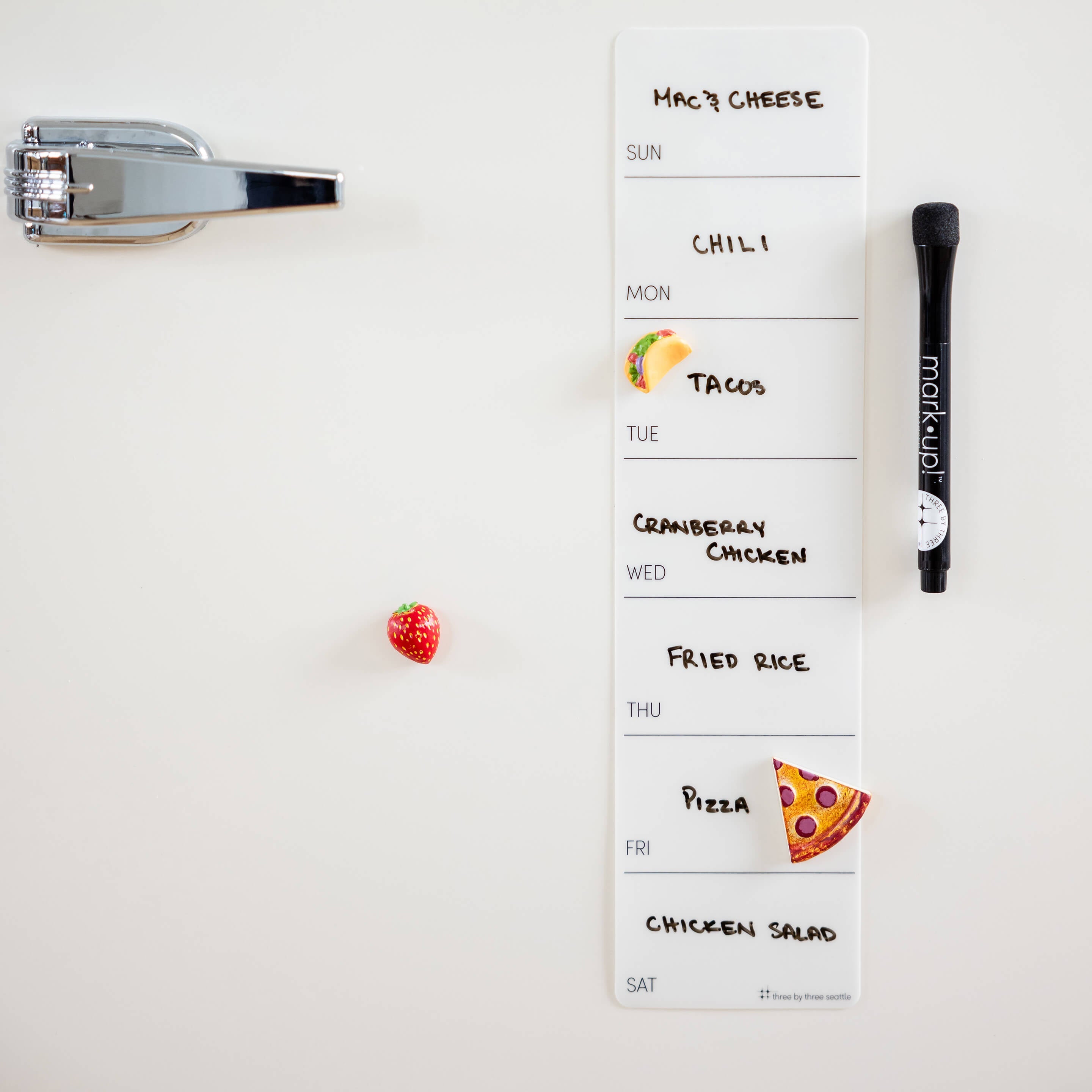
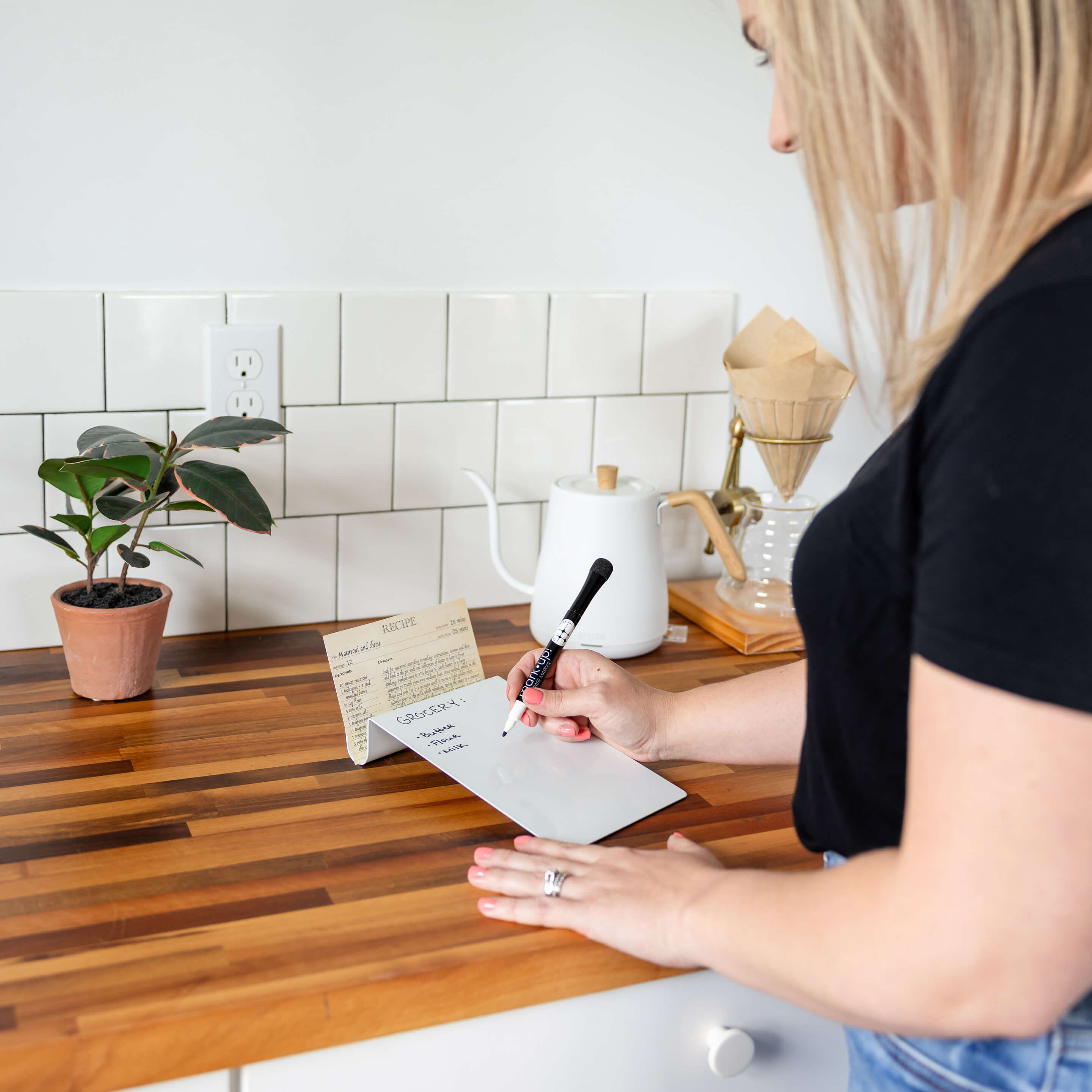
Divide the board into the seven days of the week, and reserve a dedicated spot for a running grocery list. This pairing is the secret to the whole system. As you decide on meals, jot the ingredients you will need straight onto the list, so by the time you shop, half the work is already done.
Keeping the menu and the grocery list together, in one glance, is what makes meal planning click. You are not planning in one place and shopping from another, you are doing both in a single, visible workflow.
Add a magnetic recipe and coupon zone
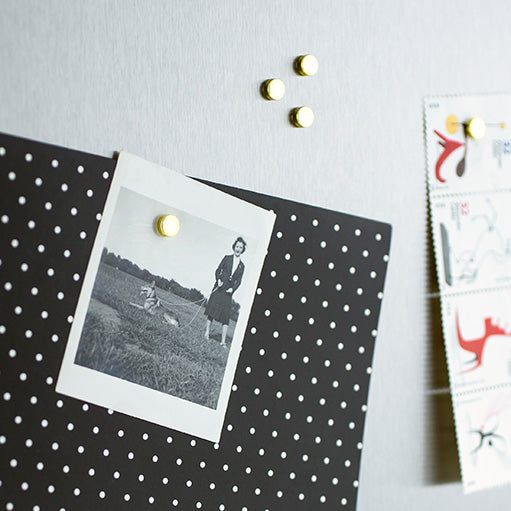
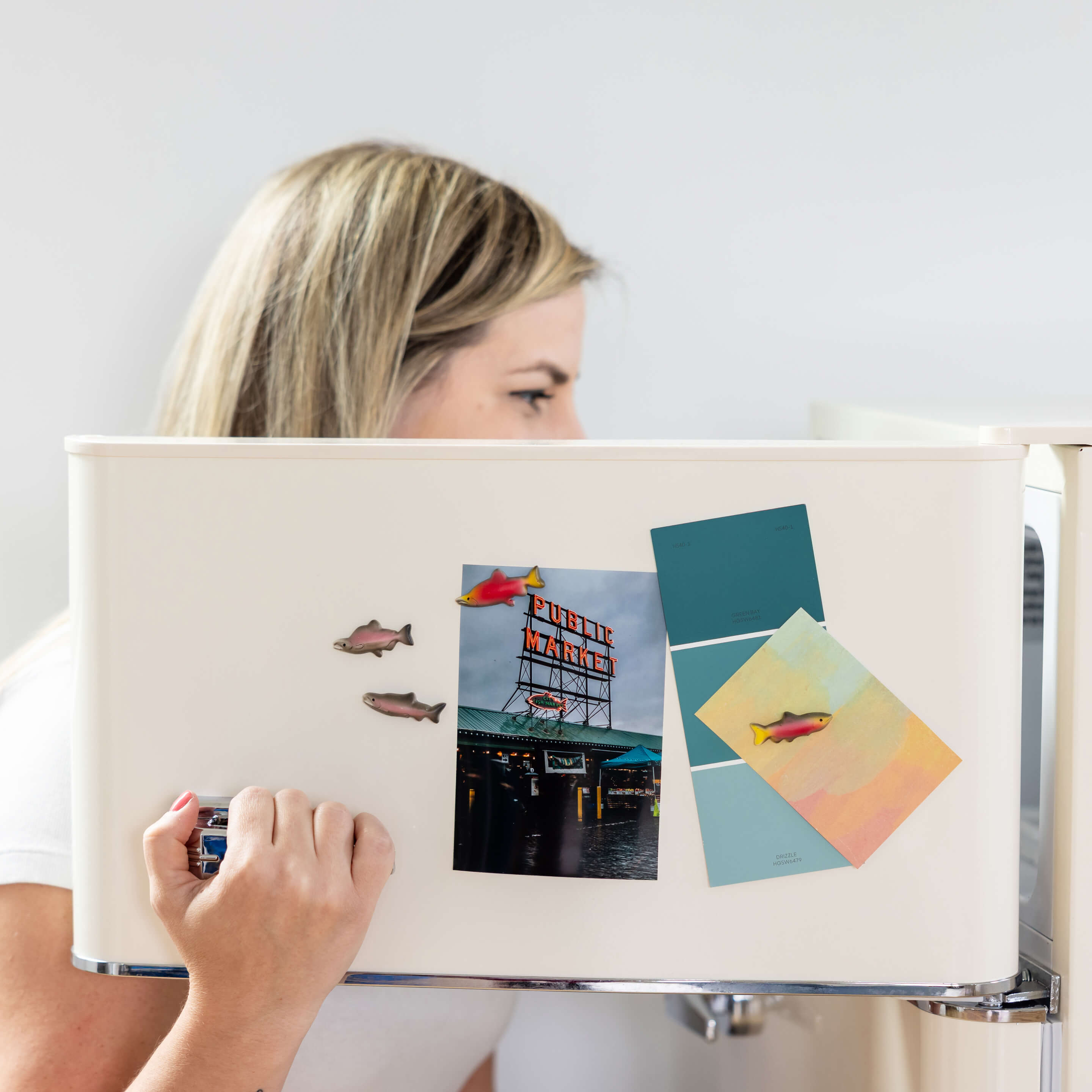
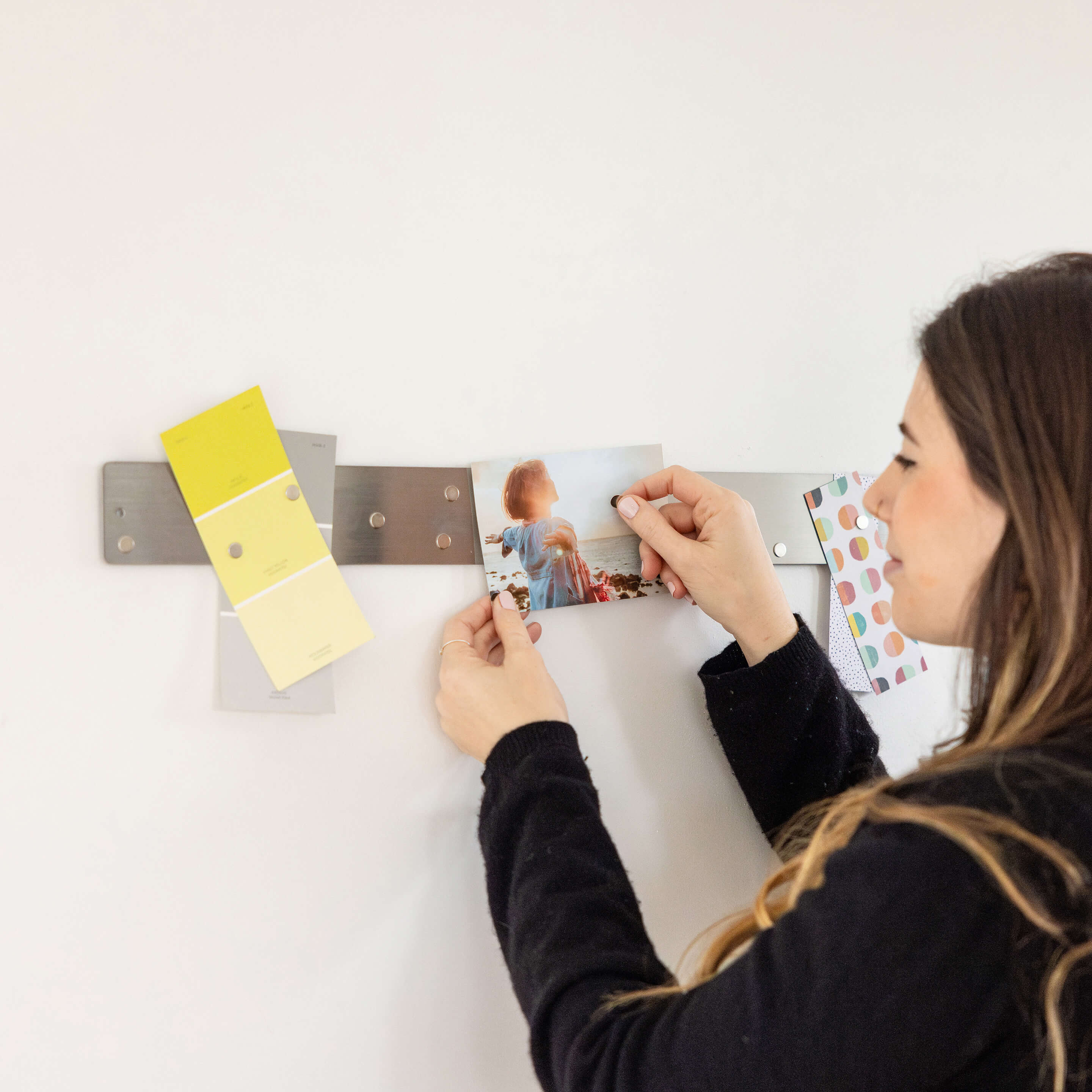
If you chose a magnetic board, use the magnetic surface to hold this week's printed recipes and any coupons with a few strong magnets, right next to the menu where you will reference them. Having the recipe and the plan in the same spot saves the daily hunt for that one card.
When the board starts to fill up, a nearby magnetic bulletin board can absorb the overflow, holding longer-term items so your planning board stays clean, current, and easy to read at a glance.
Plan with your week in mind
A good meal plan reflects real life, not an idealized version of it. Glance at the week ahead and match meals to your schedule: quick or make-ahead dinners on the busy nights, the more involved recipe on the evening you actually have time. Planning a leftovers night and a flexible night keeps the plan realistic and reduces waste.
This is also where you naturally use up what you already have. Build a meal around the produce that needs eating or the pantry item you bought on a whim, and your plan does double duty as a waste-reduction tool.
Make it a weekly habit that sticks
The board only works if filling it becomes routine. Pick one day, Sunday evening is popular, to map the week and build the grocery list in one sitting. Ten focused minutes buys you a whole week free of the dinner scramble, and it tends to trim both your grocery spending and the food you throw away.
Anchor the habit to something you already do, like making coffee on Sunday morning or sitting down after the kids are in bed, and it will stick far more reliably than willpower alone.
Frequently asked questions
What kind of board is best for meal planning?
A dry erase board works for the menu, while a magnetic or combination board adds space to pin recipes and coupons. Choose based on whether you want to write only or also display physical papers alongside the plan.
Where should I put a meal-planning board?
Put it where your family gathers and lingers, usually the kitchen wall or the fridge. Visibility is what turns meal planning into a habit, so the spot matters as much as the board.
How does meal planning reduce food waste?
When you plan meals and shop to a specific list, you buy what you will actually use and build meals around what needs eating, so far less produce and pantry food gets forgotten and tossed.
What should go on a meal-planning board?
The seven days of the week with a planned meal for each, plus a running grocery list. Many people also add a leftovers night, a flexible night, and a spot to pin this week's recipes.
How do I get my family to use the meal board?
Put it where everyone passes, keep it current, and involve the household in choosing meals. When people have a say and can see the plan, they are far more likely to engage with it.