















5 Types of Hanging Organizers to Know
The term “file organizer” might bring to mind drab, gray metal boxes hidden away in a corporate office. But getting your papers in order doesn’t have to be boring. Today’s organizing solutions are about blending smart function with personal style to create a home you love living in. A modern hanging file organizer can be a statement piece, adding a pop of color, a sleek metallic touch, or the soft texture of recycled felt to your wall. It’s a tool that works hard to reduce clutter while looking great doing it. In this article, we’ll explore the different styles and materials available so you can find the perfect match for your home’s aesthetic and finally conquer that paper pile for good.
Key Takeaways
- Pinpoint your problem area: Before you shop, identify where your paper clutter lives. A wall-mounted organizer is perfect for saving desk space in small rooms, while a desktop rack keeps active projects visible and within arm's reach.
- Create a simple filing system: An organizer is only as good as the system you use with it. Group your documents into broad categories (like home, work, and financial), then use clear labels and color-coding so you can find anything in seconds.
- Focus on quality and compatibility: Pay attention to the details that ensure long-term use. Check that the material is durable, the dimensions fit your space, and the pockets are compatible with the types of documents you need to store.
What Is a Hanging File Organizer, Anyway?
If your desk, kitchen counter, or entryway table is slowly disappearing under a mountain of paper, let's talk. A hanging file organizer is a simple, brilliant solution designed to bring order to the chaos. At its core, it’s a storage system that uses vertical space, getting all those important documents, mail, and memos off your flat surfaces and into a neat, accessible arrangement. Think of it as a way to go up, instead of out, with your filing. This makes them perfect for small offices, dorm rooms, or any area where you need to make the most of your space.
These organizers are incredibly versatile. You can mount them on a wall, hang them over a cubicle, or place them inside a traditional filing cabinet. But their real magic lies in what they can hold. Forget just boring tax documents (though they’re great for those, too). People use them for work projects, school papers, family documents, and even to organize craft supplies like construction paper. They are perfect for creating a "command center" where you can stash mail, magazines, and permission slips. Essentially, if it’s paper-ish and causing clutter, a hanging file organizer can probably tame it. It’s all about making your important items easy to find while keeping your space functional and clear.
A Guide to Hanging File Organizer Types
Choosing the right hanging file organizer is a lot like picking the right pair of shoes; the best one depends entirely on where you’re going and what you’ll be doing. There isn’t a single “best” option, but there’s definitely a best option for you. Whether you’re dealing with a mountain of paperwork on your desk, trying to make the most of a tiny office nook, or need to take your files on the road, there’s a solution designed for your situation. Let’s break down the main types of hanging file organizers so you can find your perfect match and finally get those papers in order.
Desktop Organizers
If your motto is “out of sight, out of mind,” a desktop organizer might be your new best friend. These are perfect for keeping your most important, active files right where you can see them. Think of them as a command center for your current projects, incoming mail, or bills that need attention. They sit directly on your desk, keeping everything tidy and within arm’s reach. Many come with multiple sections, which is great for sorting documents into categories like “To-Do,” “To-File,” and “Urgent.” It’s an essential tool for preventing that one big pile of paper from taking over your entire workspace.
Wall-Mounted Systems
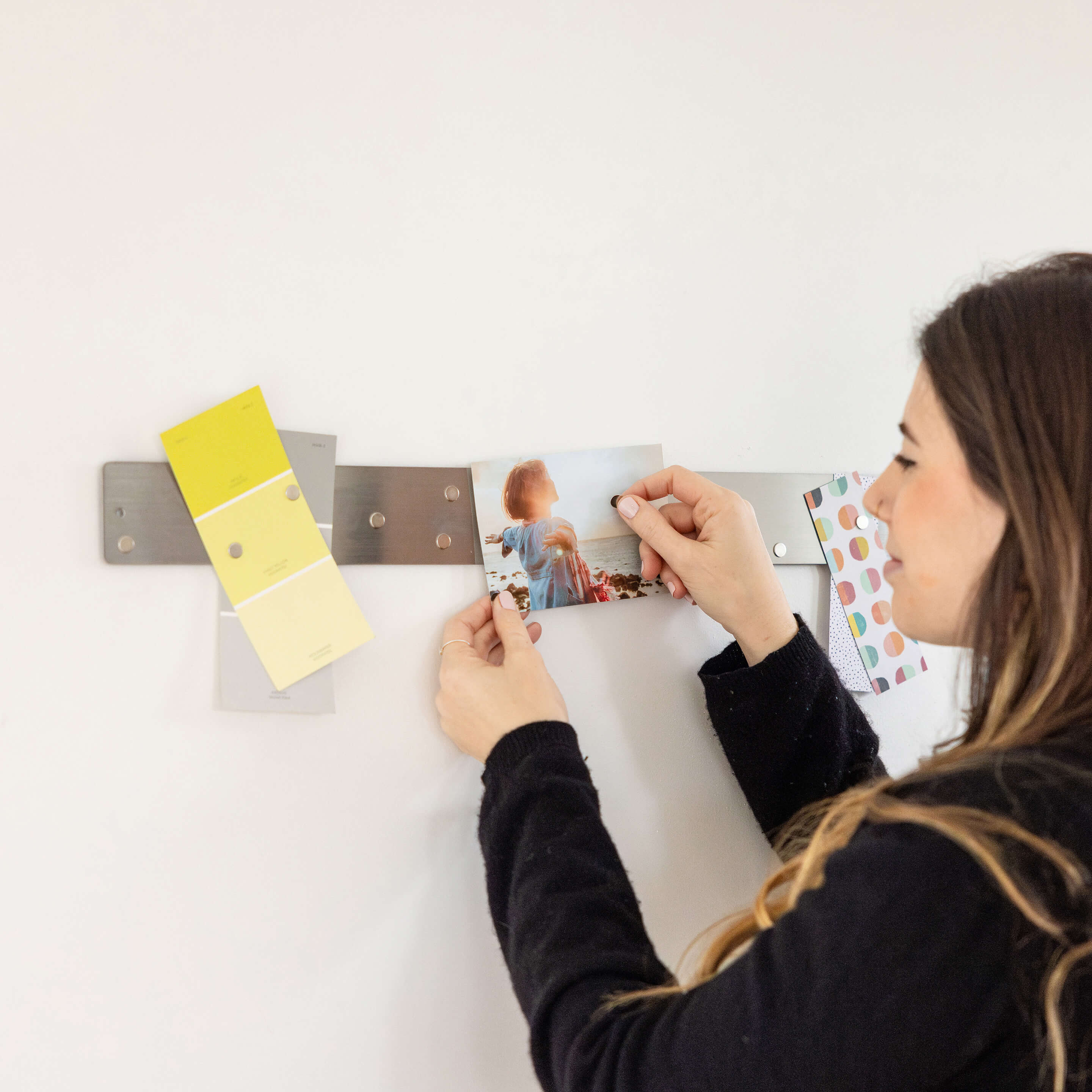
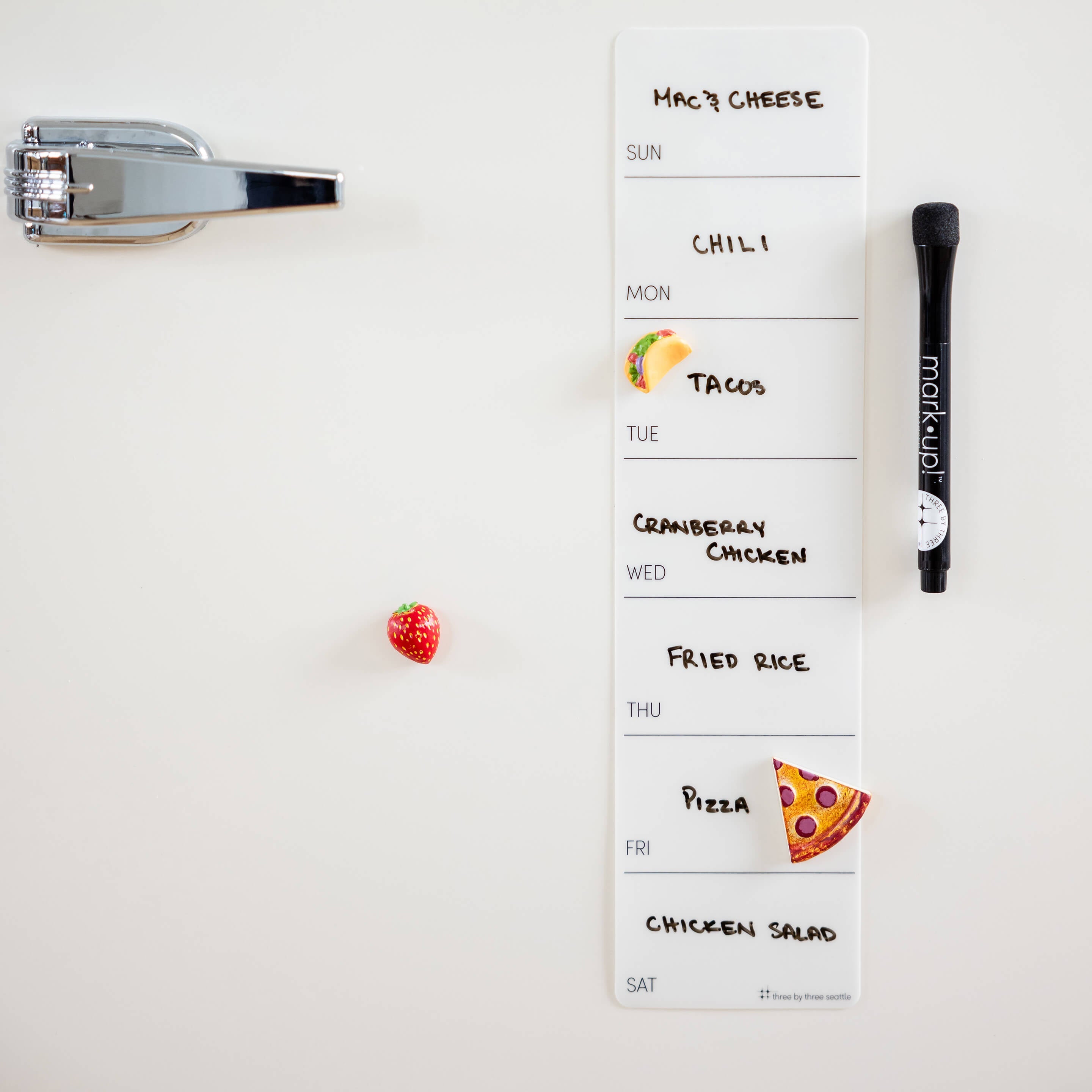
When floor and desk space are precious commodities, it’s time to look up. Wall-mounted systems are brilliant for turning unused wall space into a functional, vertical filing cabinet. These are excellent for smaller home offices, kitchens, or even inside a closet or pantry door. By getting your files off your desk and onto the wall, you free up valuable surface area while still keeping documents accessible and organized. Many modern wall organizers also include magnetic or dry-erase surfaces, giving you a central spot for notes, reminders, and important papers all in one. It’s a smart solution for a streamlined and clutter-free room.
Portable File Boxes
For anyone who works on the go, a portable file box is a must-have. These are sturdy, lidded boxes, often with a handle, designed to transport your hanging files safely and securely. They’re perfect for freelancers who move between coffee shops and co-working spaces, teachers carrying lesson plans, or anyone who needs to bring important documents to a meeting or appointment. Some even come as a complete kit with folders and tabs included, so you can set up your mobile office in minutes. Think of it as a briefcase for your filing system, keeping your papers protected from spills and wrinkles while you’re on the move.
Multi-Tier Racks
If you’re a fan of sorting and categorizing, you’ll love a multi-tier rack. These organizers feature several stacked pockets or trays, allowing you to create a visual workflow for your documents. You can dedicate each tier to a different project, family member, or stage of a task (like "Incoming," "In Progress," and "Completed"). This setup is incredibly helpful for managing ongoing projects or sorting daily mail. The tiered design makes it easy to see everything at a glance, so you can quickly grab what you need without digging through a single, deep pile. It’s a simple but powerful way to manage your paper trail.
Adjustable Frames
Not sure if you need to file letter-size or legal-size documents? Why not both? Adjustable frames are the chameleons of the organizing world. These simple metal or plastic frames are designed to fit inside desk drawers or file cabinets, and their main superpower is flexibility. You can expand or shrink them to accommodate different folder sizes, making them a practical choice for anyone whose filing needs might change over time. This adaptability makes them a great long-term investment. You won’t have to buy a whole new system if you switch from filing standard invoices to longer legal contracts.
What to Look For in a Hanging File Organizer
Finding the right organizer is about more than just tidying up; it's about creating a system that fits your life and your style. Before you choose, think about how you’ll use it, where it will live, and what you need it to hold. Here’s what to keep in mind as you shop.
Material and Durability
The material of your organizer sets the tone for your space and determines how long it will last. Metal and wire mesh options offer a modern, industrial look and are incredibly sturdy, easily handling the weight of heavy files. Plastic organizers are lightweight and often come in a variety of colors. For a softer, more textural feel, look for organizers made from sustainable recycled materials like felt. Think about your daily routine. If your organizer will be in a high-traffic area, choose a durable material that can stand up to daily wear and tear, ensuring your system stays looking great for years.
Size and Compatibility
Not all paper is created equal, so your file organizer shouldn't be one-size-fits-all. Before you buy, take a look at the documents you need to organize. Are they standard letter-sized (8.5 x 11 inches) papers, or do you have longer legal-sized documents? Many hanging organizers are designed for letter-sized files, so it’s important to check the dimensions. Also, consider the thickness of your files. If you’re storing bulky reports or catalogs, you’ll want an organizer with wider pockets. The goal is to find a system that fits your documents perfectly, without bending or cramming.
Placement and Flexibility
Where will your organizer live? The best systems keep your important papers accessible without cluttering your workspace. Think vertically to save precious desk or counter space. Wall-mounted organizers are fantastic for this, and they come with different mounting options. Some can be screwed directly into the wall for a permanent solution, while others use strong hooks to hang over a door or cubicle wall. For ultimate flexibility, you can even find organizers that stick to a magnetic board in your office or on the side of your fridge, keeping your papers right where you need them.
Capacity and Room to Grow
It’s tempting to buy an organizer that fits the pile of papers you have right now, but it’s wise to plan for the future. Think about how quickly you accumulate new documents. Choosing an organizer with a little extra capacity ensures your system won’t be overflowing in a month. Organizers come with a single pocket, which is great for a specific project, or with multiple pockets for sorting different categories. If you’re just starting out, a multi-pocket system gives you room to expand as your filing needs evolve. This foresight helps you build a lasting organizational habit and explore other storage and organization solutions as you grow.
Comparing Your Options
Once you have a general idea of the type of hanging file organizer you need, it’s time to get into the details. Thinking through these smaller choices now will help you find a system that you’ll actually love and use for years to come. It’s the difference between buying something that just “works” and finding a solution that feels like it was made just for your space and your stuff. The main things to weigh are the number of pockets you need, the material that best fits your home’s aesthetic, and a price point that feels right for you. Considering these factors will help you narrow down the options and make a confident decision, ensuring your new organizer is a perfect blend of function and style that helps create a happier, more organized home.
Single Pocket vs. Multi-Pocket
One of the first decisions you’ll make is whether a single or multi-pocket organizer is the right fit. A single pocket organizer is a great minimalist choice. It’s perfect for holding papers for one specific project, corralling incoming mail in an entryway, or keeping important documents for the week right on your desk. If you prefer a clean, uncluttered look, this is a fantastic option. On the other hand, multi-pocket organizers are ideal for sorting and categorizing. You can designate different pockets for bills, kids’ school papers, coupons, and ongoing projects. This approach helps you see everything at a glance and keeps different areas of your life neatly separated but still accessible.
A Look at Materials: Plastic, Metal, and Mesh
The material of your organizer plays a huge role in its durability and overall look. Common options like plastic, metal, and wire mesh each have their own vibe. Plastic organizers are often lightweight, affordable, and available in a wide range of colors. Metal offers a sleek, professional feel and is incredibly sturdy, making it a long-lasting choice for a home office. Wire mesh provides a modern, industrial look while letting you see a hint of what’s inside. You can also find organizers made from fabric or felt, which add a soft, textural element to a room. Our own recycled felt products, for example, bring warmth and a pop of color while being a sustainable choice.
Understanding the Price Range
Hanging file organizers come in a wide range of prices, so it’s helpful to have a budget in mind. Costs can vary based on the material, size, brand, and number of features. You can find simple options for a modest price, while larger, more decorative systems made from premium materials will be more of an investment. Think about what you truly need. A higher price often means greater durability, a more stylish design, or a larger capacity. Consider it an investment in your productivity and peace of mind. Browsing different storage and organization collections can give you a good sense of what’s available at various price points.
What Makes a Great Hanging File Organizer?
Finding the right hanging file organizer is about more than just finding a place to stuff your papers. A truly great organizer brings a sense of calm and control to your space. It’s the difference between a messy pile and a streamlined system that actually works for you. The best ones are designed with your real life in mind, blending smart function with a style you’ll love seeing every day. They help you clear the clutter from your desk and your mind, making room for what really matters.
A standout feature of a great organizer is its ability to make the most of your space. Instead of taking up precious desk or floor area, it uses vertical surfaces to your advantage. Think about wall-mounted pockets that turn an empty wall into a command center for mail, bills, and magazines. Some of the most clever designs even have magnetic backings, perfect for attaching to a filing cabinet or one of our dry erase and magnet boards. This kind of thoughtful design helps you keep important documents visible and accessible without adding to the clutter.
Versatility is another key ingredient. A great organizer isn’t a one-trick pony. It should have pockets or slots that are flexible enough to hold everything from standard letter-sized files to notebooks, manuals, and even your tablet. Durability is just as important. You want a system built from sturdy materials that can handle the weight of your documents without sagging or breaking. It’s an investment in your organization, so it should be built to last through every project and tax season.
Finally, a great hanging file organizer makes it easy for you to stay organized. It should support your system, not complicate it. Look for designs that allow for clear labeling, so you can identify contents at a glance. Whether you prefer a minimalist look or a color-coded system to categorize your files, the right organizer provides the framework. It gives you a simple, intuitive way to keep track of everything, so you can find exactly what you need, right when you need it.
What Do the Best Reviews Have in Common?
When you're shopping for a new organizer, customer reviews are your best friend. They give you the real story on how a product holds up in an actual home or office. As you read through them, you’ll start to notice a few common themes in the five-star ratings. The happiest customers tend to focus on the same key qualities.
First and foremost, people rave about durability. The best reviews often mention sturdy materials and solid construction. Look for comments about organizers that don’t bend or buckle under the weight of your files and have smooth-gliding components that make accessing documents easy. A well-built organizer is an investment that pays off in daily, frustration-free use. Our storage and organization solutions are designed with this kind of quality and longevity in mind.
Another highlight in top reviews is thoughtful, user-friendly design. It’s the little things that count. People appreciate features like tabs that are simple to customize and slide into place or pockets that are easy to access. When an organizer is intuitive to use, it makes the whole process of getting your papers in order feel less like a chore and more like a satisfying project.
Finally, versatility gets a lot of love. The most glowing reviews often come from people who have found creative ways to use their organizers for more than just standard paper files. Think about sorting craft supplies, managing incoming mail, or creating a system for your kids’ school papers and artwork. An organizer that can adapt to your specific needs and grow with you is one you’ll be happy with for years to come. When you see reviewers sharing their unique uses, it’s a great sign of a flexible and functional product.
Choosing the Right Organizer for Your Space
Finding the right organizer can feel like a puzzle, but it’s one with a very satisfying solution. Before you start adding items to your cart, taking a moment to think through your specific situation will make all the difference. By focusing on what you need to store, where it will live, and what kinds of items you’re dealing with, you can confidently pick a piece that not only looks great but also makes your daily life a little bit easier. Let’s walk through it step by step.
Figure Out Your Storage Needs
First, ask yourself: what problem am I trying to solve? Are you tired of the mail pile taking over your kitchen counter? Do you need a home for your kids’ latest art projects, or a spot to keep important reminders in sight? Identifying the main function will point you toward the best solution. For instance, a wall-mounted pocket organizer is perfect for sorting mail in an entryway, while a system of storage bins might be better for organizing craft supplies in your office. Think about your daily routines and where the clutter hotspots are. This will help you pinpoint exactly what kind of help you need.
Measure Your Space
This step is simple but so important. Grab a tape measure and figure out the exact dimensions of the area you plan to use. Whether it’s a small patch of wall next to your desk, the side of your refrigerator, or a nook in your entryway, knowing your height, width, and depth is key. This prevents the disappointment of bringing home an organizer that’s just a little too big or surprisingly small. Also, consider how it will attach. Do you want something that mounts with screws, or would a magnetic option for a metal surface work better? Having these measurements and details on hand makes shopping for dry erase and magnet boards and other wall systems a breeze.
Consider Your Document Types
Think about the size and shape of what you need to organize. Standard letters have different needs than bulky magazines, and notebooks require a different kind of space than small sticky notes or pens. If you’re dealing with a lot of paper, check if an organizer fits standard letter or legal sizes. If you’re storing a variety of items, look for solutions with different compartment sizes. It’s also smart to think about the future. If you expect your collection of papers or supplies to grow, consider a modular or stackable system, like our recycled felt bins, that you can add to over time.
Setting Up Your System for Success
A great organizer is only half the battle. The real magic happens when you create a system that fits your life and makes sense to you. Think of it as building the "software" for your new organizing "hardware." Without a plan, even the most stylish file box can become a black hole for important papers. Setting up your system for success means taking a proactive approach instead of a reactive one. Instead of scrambling to find a birth certificate or a warranty when you need it, you’ll know exactly where it is.
This initial setup is an investment in your future peace of mind. A little planning now saves you from digging through a chaotic pile of papers later, reducing stress and saving precious time. The goal is to create a flow that feels natural, making it just as easy to put a new document away as it is to find an old one. A truly effective system is one you’ll actually use, so it needs to be simple, intuitive, and tailored to your specific needs. Let’s get your system dialed in so you can spend less time searching and more time doing what you love. In the following steps, we’ll walk through how to categorize, label, and get creative with your new setup.
How to Categorize Your Documents
Before you file a single piece of paper, take a moment to group everything into broad categories. Think about the main areas of your life. Common starting points are "Work," "Home," "Financial," and "Personal." From there, you can create sub-folders. For example, your "Home" category might hold folders for appliance manuals, car maintenance records, and medical information. The goal is to create a logical structure that makes it intuitive to both file new documents and find old ones. Don't overthink it; you can always adjust your categories as you go.
Tips for Labeling and Color-Coding
Clear labels are your best friend for a functional filing system. Whether you use a label maker for a super-clean look or just your neatest handwriting, make sure every folder is clearly marked. This simple step turns a box of mystery papers into a searchable archive. To take it a step further, try color-coding. Assign a specific color to each of your main categories, like green for financial papers and blue for household documents. This visual cue helps you grab the right folder in a flash. It’s a small trick that makes a huge difference in keeping your storage and organization system efficient.
Creative Ways to Use Your Organizer
Your file organizer has potential far beyond just holding bills and official documents. Think of it as a versatile storage tool for all sorts of flat items. It’s perfect for organizing craft supplies like scrapbook paper, fabric scraps, or sheets of vinyl. You can also create a "command center" for your household, with folders for kids' school schedules, takeout menus, and current project plans. I love the idea of creating a portable office in a file box, keeping everything you need for work-from-the-kitchen-table days in one grab-and-go spot. It’s all about finding fun and functional solutions that fit your unique space and lifestyle.
Where to Find Your New Favorite Organizer
Once you have a good idea of the type of hanging file organizer you need, the fun part begins: the hunt! Finding the perfect piece can be incredibly satisfying, and thankfully, you have plenty of options. From online superstores to your own craft closet, your new favorite organizer is out there waiting for you.
Start Your Search Online
The internet is your best friend when it comes to variety. You can find everything from basic, budget-friendly options at big-box retailers to more specialized systems. Specialty office supply sites often feature a huge diverse product range, letting you compare different styles like sleek wall-mounted holders or durable folders in one place. Of course, you can also find unique and colorful pieces in our own storage and organization collection that blend function with a playful aesthetic.
Think Outside the (File) Box
Don’t limit your search to the office supply aisle. With a little imagination, you can find clever uses for organizers in your kitchen, entryway, or craft room. You might also consider a DIY approach. Repurposing items you already own or combining simple materials can result in a truly one-of-a-kind system. Seeing a creative file storage project come to life is not only cost-effective but also gives you a solution that’s perfectly tailored to your space and personality.
Related Articles
- Your Guide to the Best Folder Holder Organizer – three by three seattle
- Wall Mounted Mail Organizer: The Ultimate Guide – three by three seattle
Frequently Asked Questions
I don't have a ton of paper. Is a hanging file organizer still worth it for me? Absolutely. Think of these organizers as a home for more than just paper. A single wall pocket in your entryway is perfect for corralling mail, keys, and sunglasses. In a craft room, they can neatly store things like vinyl sheets, fabric scraps, or stencils. They are also great for holding slim items like a tablet, a favorite magazine, or important reminders you need to keep in sight. The goal is to clear clutter, whatever that clutter may be.
My main problem is a small desk. What's the best type of organizer to save space? When desk space is limited, your best strategy is to go vertical. A wall-mounted system is a fantastic choice because it uses empty wall space, getting all your papers off your work surface. Look for options that can be screwed in for a permanent setup or even magnetic ones that can stick to the side of a metal filing cabinet or a magnet board. This keeps your documents accessible without taking up a single square inch of your desk.
How do I keep my new filing system from getting messy again in a few months? The key is to build a small, consistent habit. Set aside just five or ten minutes each week to sort through any new papers that have accumulated. Decide immediately if something needs to be filed, tossed, or acted on. Dealing with a small stack weekly is much less daunting than facing a huge pile every few months. This regular maintenance keeps your system working for you and prevents the clutter from creeping back in.
You mentioned different materials. Are the softer ones like felt actually strong enough for files? It’s a great question. While they offer a softer look, well-made felt organizers are designed to be surprisingly sturdy. The key is in the construction and the quality of the material. High-density recycled felt, for example, is stiff and durable enough to hold its shape and support the weight of regular files and papers without sagging. They provide a wonderful, textural alternative to plastic or metal while still being completely functional for everyday use.
I'm feeling overwhelmed by all the categories. What's a simple way to start? Don't try to create the perfect system all at once. Start with just three or four broad categories that make sense for your life right now. Simple labels like "Action," "To File," and "Household" can be a great starting point. You can always add more specific folders later as you get a better feel for what you need. The most effective system is one you'll actually use, so starting simple is the best way to build a lasting habit.