
















First Night to First Month: Setting Up a New Home in the Right Order
A new home gets organized once, in the first month, or organized never — the habits you form in week one calcify by week four, and by month three they're just "how this house works," good or bad. The order of operations matters more than the effort: set up the right things first and the rest of the house follows without a fight. New home setup done in the right sequence takes roughly the same total effort as doing it randomly, but it produces a house that holds its shape instead of one that slowly reverts to boxes-with-a-couch.
Night one: the survival kit
Pack one clearly-marked felt bin that travels in your car, not the truck: sheets, towels, chargers, toiletries, coffee apparatus, a lamp. The first night in a new home sets its emotional tone — "we found everything we needed" beats "we slept in coats and ate cereal out of a mug" by a mile, and that first impression colors how you feel about the whole move for weeks. Nothing else about new home setup matters if night one is miserable; get this one bin right and everything after it feels like progress instead of survival.
Week one: systems before stuff
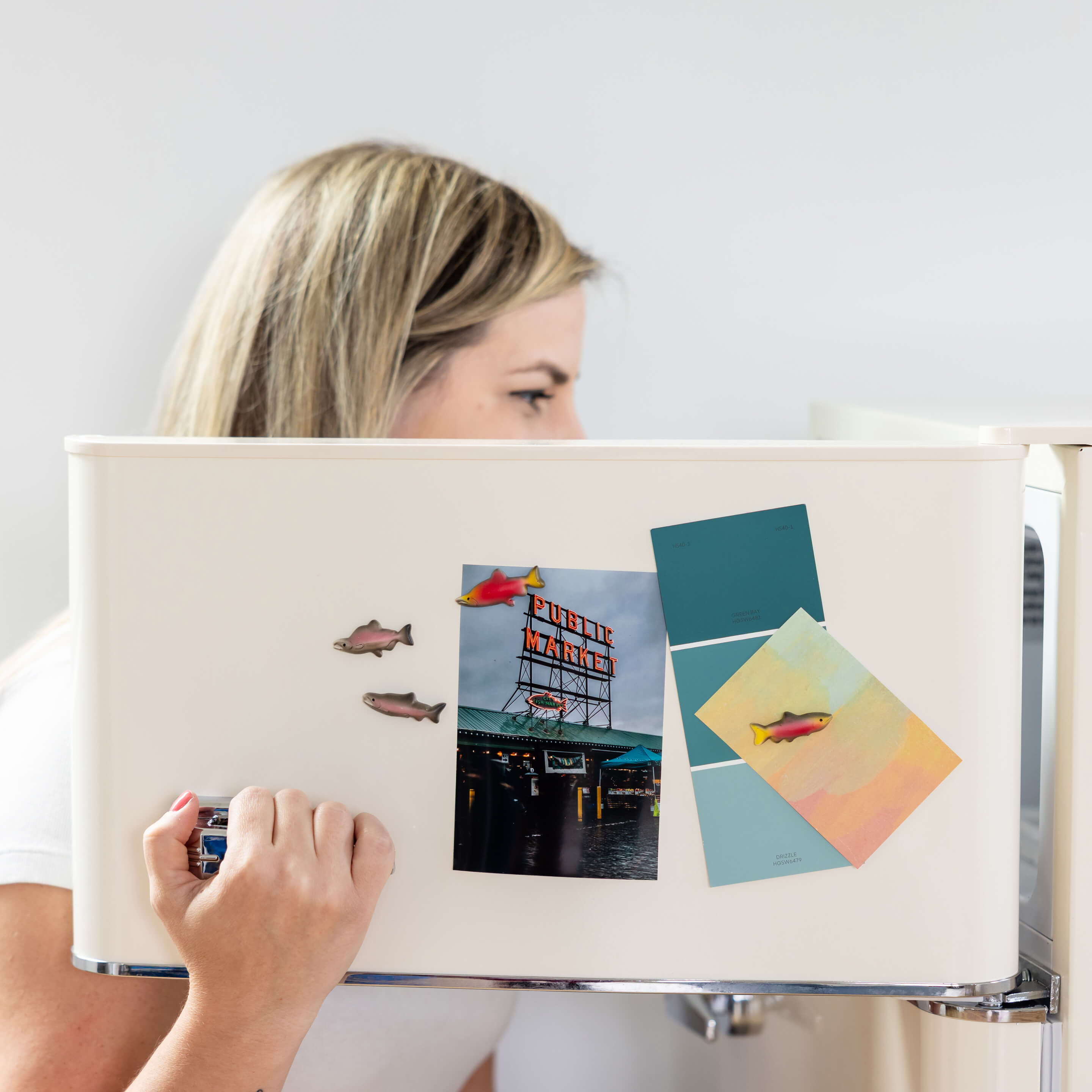
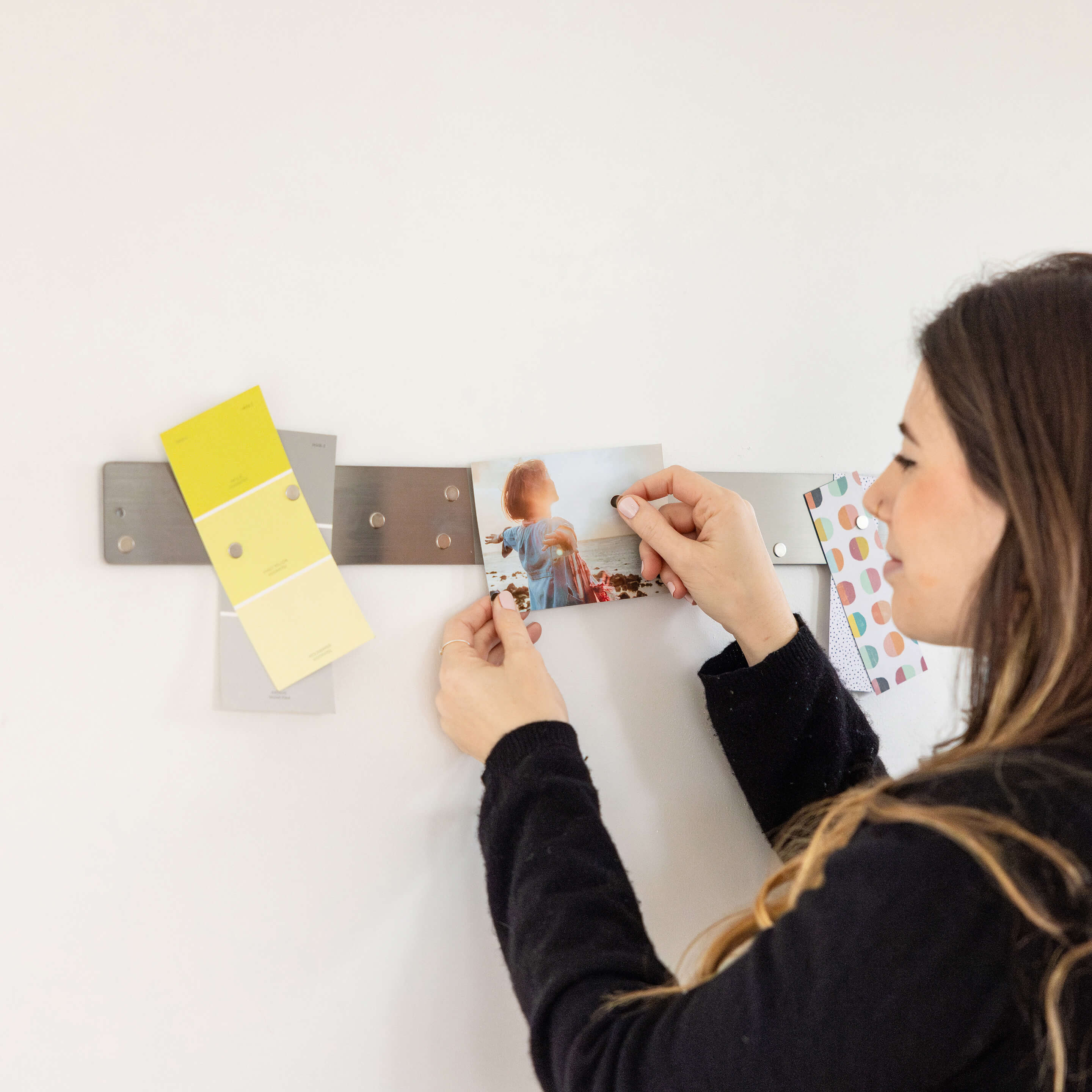
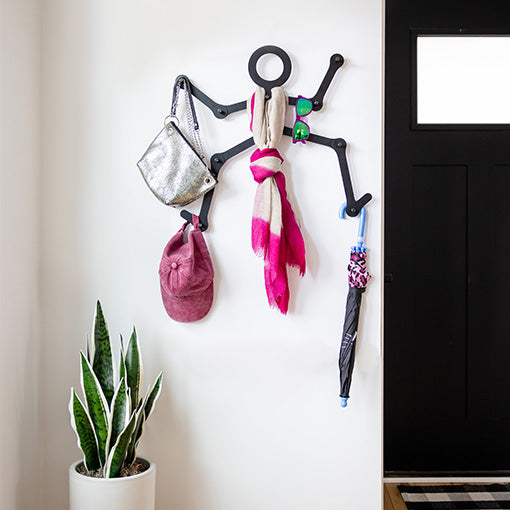
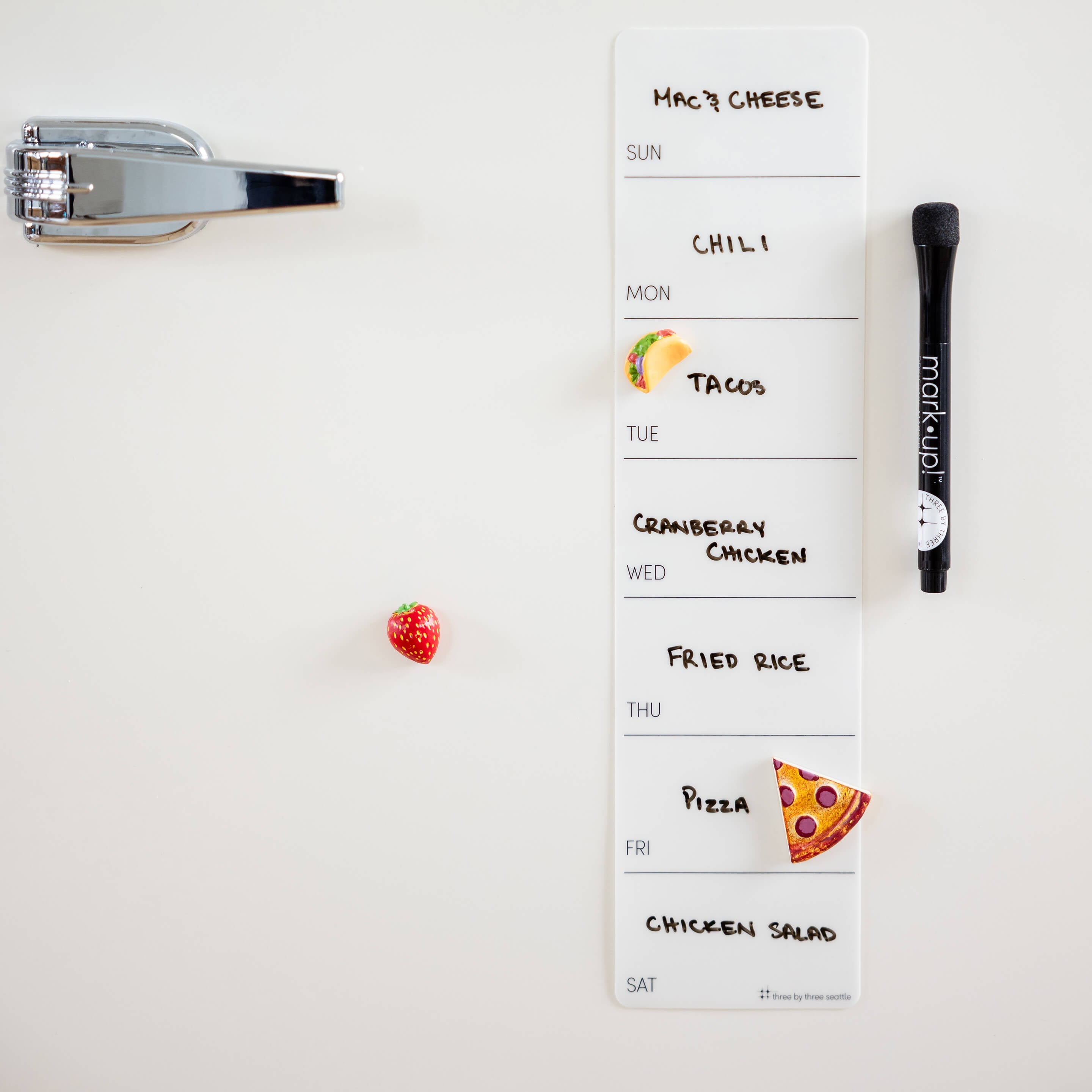
Before the décor, install the infrastructure: the command center (planner and magnetic bulletin board) goes on the wall day one, the entryway drop zone gets its hooks and felt bins immediately, the shower basket goes up before the bottle skyline can form on the tub edge. Empty systems installed early shape where things land; systems installed later have to fight established mess, which is a losing battle nine times out of ten. This is the cheapest week of the whole process — a few hooks, a board, a shower basket — and it's the week that determines whether the house organizes itself or needs a rescue mission in month three.
Weeks two and three: one room to done
Finish rooms sequentially — kitchen, then bedrooms, then the rest — instead of unpacking a little of everything everywhere. "Done" means containers placed, boxes flattened, nothing "temporary" left on the floor to become permanent by accident. The half-unpacked-everywhere approach leaves you living in cardboard until Thanksgiving; the room-at-a-time approach gives you sanctuary rooms while the work continues elsewhere, which matters enormously for morale during a stretch that otherwise feels endless. Pick the kitchen first — it's the room you'll miss functioning most, and a working kitchen makes every other unpacked box feel less urgent.
Set the kitchen and bath rules early
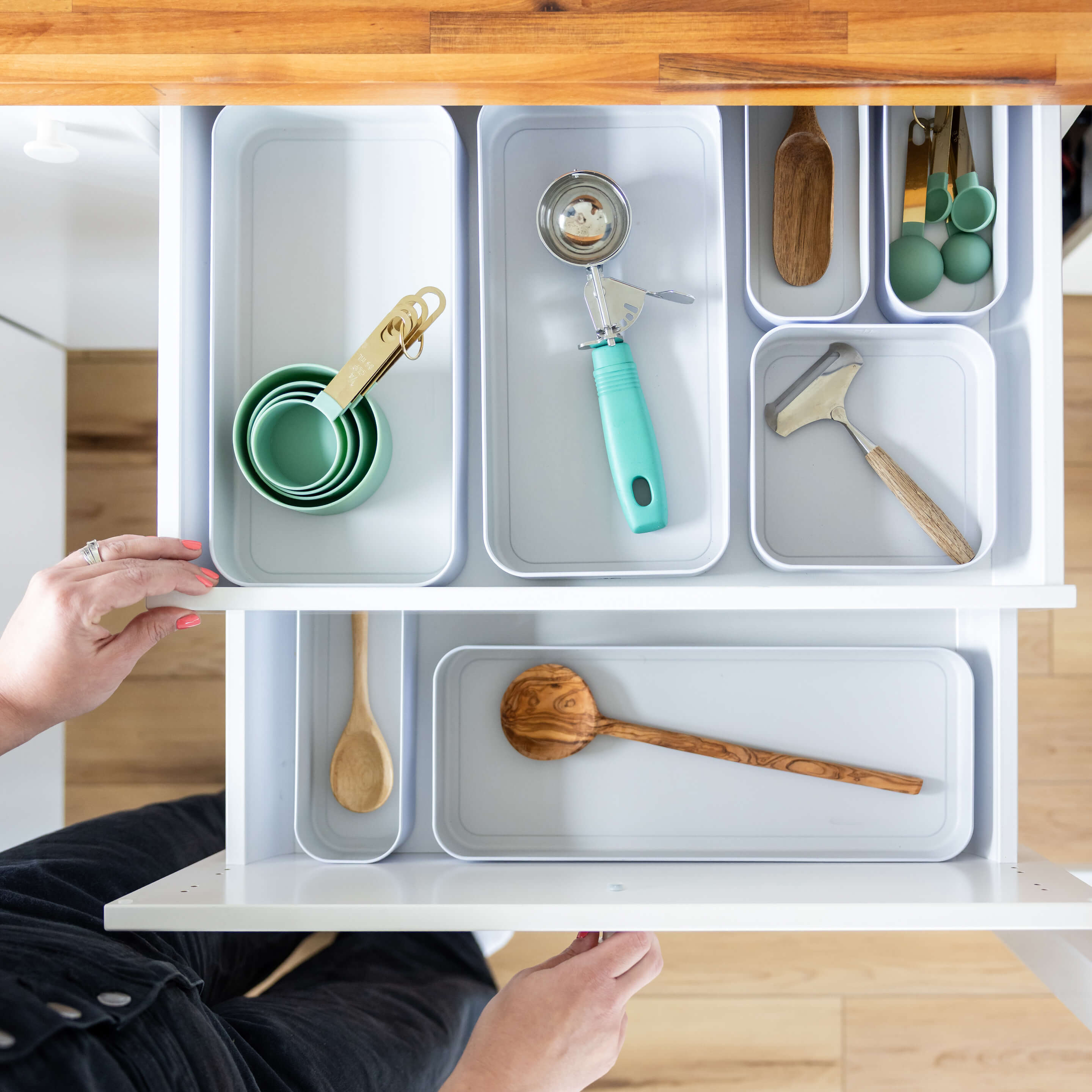
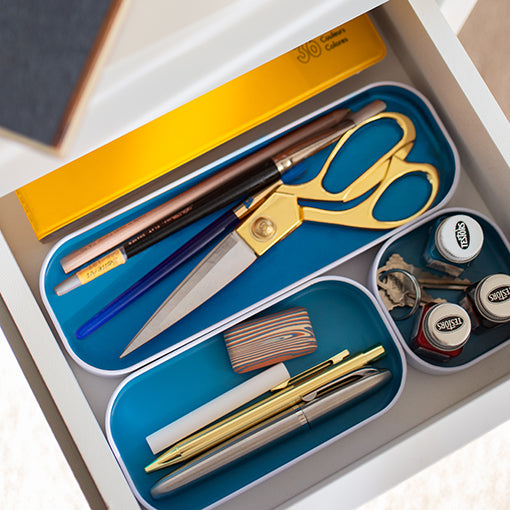
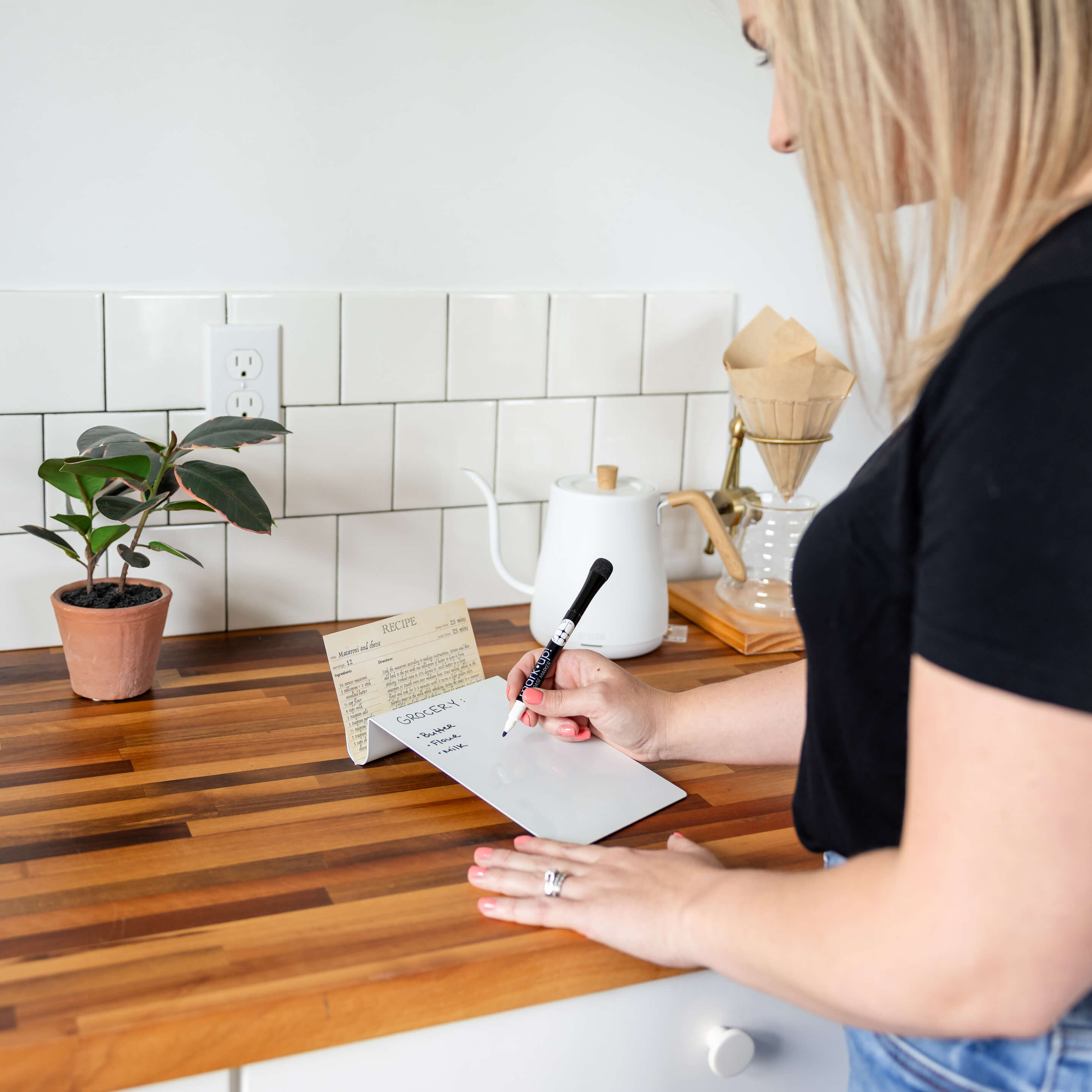
Two rooms deserve extra attention in week one because they get used dozens of times a day: the kitchen and the bathroom. In the kitchen, decide drawer and cabinet assignments before you unpack a single box, so items go straight to their real home instead of "wherever fit" — a decision you'd otherwise have to unwind later. In the bathroom, get the shower basket and a drawer organizer or two in place before toiletries multiply on every flat surface, since bathroom clutter compounds faster than almost anywhere else in a new house.
Week four: the correction pass
By now the house has voted: the real landing spots, the drawer that wants to be the junk drawer, the corner that collects mail and stray shoes no matter what you intended. Don't fight it — formalize it. Move the containers to where behavior actually happens, even if it's not where you originally planned them to go. Organizing around real habits instead of ideal ones is the entire difference between systems that hold and systems that decay a month later.
Give it one more look at ninety days
A quick check-in around the three-month mark catches what week four misses — the closet that seemed fine when half-empty but is now a daily fight, the felt bin that turned out too small for its job. New home setup isn't finished at week four; it's just past its first draft. A short ninety-day pass, room by room, is what turns "settled in" into "actually organized."
Frequently asked questions
What should be in a move-in survival kit?
Sheets, towels, chargers, toiletries, coffee gear, and a lamp — packed in one clearly marked felt bin that travels with you, not in the moving truck.
What should get set up before decorating?
Infrastructure first — the command center (planner and magnetic board), the entryway drop zone with felt bins, and the shower basket — since systems installed early shape where things land.
What's the week-four correction pass?
A check-in after the house has "voted" on its real habits, moving containers to match where things actually end up instead of where you originally planned.
Should I unpack the whole house at once or room by room?
Room by room — finishing one room completely before moving to the next gives you sanctuary spaces while the rest of the work continues.
Why does the order of setting up a new home matter so much?
Habits formed in week one calcify by week four. Whatever gets installed first — good systems or accidental clutter spots — tends to stick.